

Disclaimer: This newsletter is for educational and informational purposes only and does not constitute medical, investment, or financial advice, nor does it establish a provider-patient relationship. Content may include forward-looking statements and discussions of investigational therapeutic candidates that are not FDA/EMA approved; their safety and efficacy remain unestablished and clinical outcomes are unpredictable. While we strive for accuracy, all information is provided as is without guarantees. As of the date of publication, the author holds no direct equity positions in the specific companies mentioned in this issue nor receives third-party compensation for this coverage. Please find a complete version of our disclaimers at the bottom of this article and on our About page.

Press ⬇️ to go down to a section and ⬆️ to go back up to the Table of Contents
Table of Contents
This week, we discuss:
China Biotech
Acquisitions
BioMarin to Acquire Alesta ⬇️
Approvals
Clinical Trial Data
Moderna - Intismeran autogene (neoantigen mRNA) / Phase 3 (melanoma) ⬇️
Amylyx - Avexitide (GLP1 inhibitor) / Phase 3 (post-bariatric hypoglycemia) ⬇️
Argenx - Vyvgart (FcRn inhibitor) / Phase 3 (autoimmune myositis) ⬇️
AC Immune - ACI-19764 (NLRP3 inhibitor) / Phase 1 (ASCVD) ⬇️
Bristol Myers Squibb - Iza-bren (EGFR x HER3 ADC) / Phase 3 (EGFR+ NSCLC) ⬇️
AstraZeneca - Orpathys (MET inhibitor) / Phase 3 (EGFR+ NSCLC) ⬇️
AstraZeneca - Enhertu (HER2 ADC) / Phase 3 (HER2+ 1L NSCLC) ⬇️
China Biotech
Wondering why we discuss China Biotech every week? Tap here to learn more.
Financing Activity for China versus Rest of World
for the week ending August 20, 2026
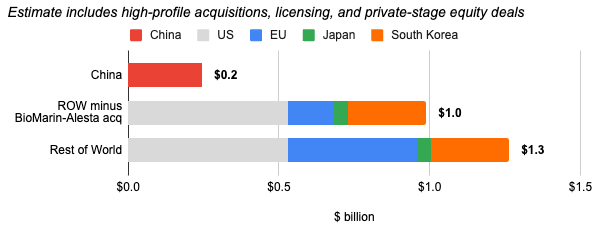
Revolution Medicine Sells Asia Market to BeOne, a Case of One-Way Protectionism?
Last week, Revolution Medicine, the oncology featherweight champion that roughly doubled the chance of overall survival for pancreatic cancer patients with pan-RAS(ON) inhibitor daraxonrasib, sold the exclusive rights to develop and commercialize this medicine in select Asian markets excluding Japan & South Korea to BeOne Medicines (so presumably China where BeOne has direct sales operations?). Recall that BeOne initially aimed to become the “Genentech of China”, according to their co-founder & CEO John V. Oyler before changing its name from Beigene in 2024 and redomiciling to Switzerland. RevMed also sold the Asia rights to three other pipeline medicines (zoldonrasib [KRAS-G12D inhibitor], RMC-5127 [RAS(ON)-G12V inhibitor], Elironrasib [KRAS-G12C inhibitor]). Finally, the companies will also evaluate drug combinations pairing BeOne’s oncology assets, such as BGB-58067 (an MTA-cooperative PRMT5 inhibitor) and BG-T187 (an EGFR x MET x MET trispecific antibody), with RevMed’s four clinical-stage RAS(ON) inhibitors.
That’s a lot to take in, but there’s also a lot they left out:
What did BeOne pay for the exclusive Asia rights to RevMed’s entire clinical-stage pipeline?
Why did they sell the rights before any of these medicines had passed regulatory clearance?
If daraxonrasib is so game-changing (it definitely is), why didn’t they want to use it as a beachhead asset for its own sales infrastructure in Asia? AstraZeneca, Novartis, Roche, Pfizer, Sanofi, Novo Nordisk, Bayer, and Bristol Myers Squibb (BMS) all maintain direct sales operations in China.
That third point is one that I want to linger on a bit. What do we know about doing business in China? While the Foreign Investment Law gives international companies the freedom to establish Wholly Foreign-Owned Enterprises (WFOEs) across most sectors, Joint Ventures (JVs) remain a crucial strategic vehicle for navigating China’s business landscape. China’s Foreign Investment Negative List explicitly restricts foreign ownership percentages or mandates foreign-Chinese joint venture arrangements in select strategic sectors (e.g., value-added telecommunications, genetics/biotech, media, and heavy industrial transportation). Partnering with a domestic firm through a JV often streamlines regulatory filings, environmental assessments, and local licensing approvals compared to establishing a standalone foreign entity. Local government support is vital for navigating municipal policies, securing land-use rights, and acquiring public sector contracts. Domestic partners bring established relationships (“guanxi”) with regional authorities, state-owned enterprises (SOEs), and local regulatory bodies. Having a local partner helps cushion foreign firms against sudden macroeconomic policy shifts, administrative scrutiny, or geopolitical trade frictions. Lastly, domestic partners offer immediate market intelligence on hyper-competitive local consumer habits, regional tastes, digital ecosystem integrations (e.g., WeChat, Douyin, Alipay), and pricing sensitivities.
This arrangement raises questions about whether the RevMed-BeOne tie-up is a could be a JV solution to a soft, one-way form of protectionism by China that the U.S. doesn’t have. Anything is possible. On the other hand, RevMed’s hesitation to push into the China market themselves could have a simpler explanation. Entering the Chinese market independently requires massive upfront capital. Perhaps their partnership with BeOne is simply the most capital efficient. We’ll never truly know the answer without hearing more from the parties involved.
Sources: RevMed press release
Akeso - Ivonescimab (PD1 x VEGF mAb) / Approved in China (1L NSCLC)
On August 12, 2026, China’s National Medical Products Administration (NMPA) approved Akeso’s first-in-class PD-1 x VEGF bispecific antibody, ivonescimab (AK112), for the first-line (1L) treatment of patients with advanced non-small cell lung cancer (NSCLC). Note that Summit Therapeutics acquired exclusive rights to develop and commercialize Akeso’s first-in-class PD-1 x VEGF bispecific antibody, ivonescimab, across major Western markets and Japan, while Akeso retained commercial rights for China and the rest of the world. Ivonescimab simultaneously targets programmed cell death protein 1 (PD-1) and vascular endothelial growth factor (VEGF), engineered to promote cooperative binding in the tumor microenvironment. The NMPA decision expands ivonescimab into the high-value 1L setting, establishing it as a monotherapy option for patients with PD-L1–positive advanced NSCLC without EGFR or ALK alterations.
Approval was granted based on data from the pivotal, head-to-head Phase 3 HARMONi-2 (AK112-303) trial conducted in China, evaluating ivonescimab monotherapy against standard-of-care pembrolizumab (Keytruda). While earlier primary efficacy readouts from the Phase 3 trial reported a headline progression-free survival (PFS) hazard ratio (HR) of 0.51, representing a 49% relative risk reduction (RRR) in disease progression or death, the official finalized metric integrated into the NMPA’s approved drug label reflected a revised progression-free survival RRR of 28%. Despite the adjustment in the relative magnitude of the PFS hazard ratio, ivonescimab was reported by the NMPA to demonstrate a statistically significant improvement in median PFS compared to pembrolizumab (11.14 months vs. 5.8 months). An interim analysis requested by Chinese health authorities during regulatory review also confirmed a positive overall survival (OS) trend favoring ivonescimab over pembrolizumab, with an OS hazard ratio of 0.777 at 39% data maturity.
Sources: Akeso press release
Acquisitions

Approvals
Ultragenyx - Genglycos (AAV8-G6Pase) / Approved (GSDIa)
On August 19, 2026, the U.S. Food and Drug Administration (FDA) granted accelerated approval to Ultragenyx’s single-dose gene therapy Genglycos (pariglasgene brecaparvovec-opnr; formerly DTX401) as the first therapy designed to address the root cause of Glycogen Storage Disease Type Ia (GSDIa). GSDIa is an ultra-rare, inherited metabolic disorder caused by mutations in the G6PC gene, leaving patients deficient in the glucose-6-phosphatase (G6Pase) enzyme. Without functional G6Pase, the liver cannot process stored glycogen into glucose, exposing patients to constant, life-threatening hypoglycemic episodes. Historically, disease management forced patients to adhere to an intense, around-the-clock dietary schedule involving raw cornstarch feeds every few hours, including throughout the night, to maintain stable blood sugar levels. GSDIa affects 1,500-2,500 patients in the U.S. and 6,000-8,000 worldwide, according to Ultragenyx. Genglycos utilizes an adeno-associated virus serotype 8 (AAV8) vector to deliver a functional copy of the G6PC gene directly to hepatocytes. By enabling liver cells to produce endogenous G6Pase-α and respond to natural hormonal cues (such as glucagon and insulin), the gene therapy is designed to help restore glycemic control.
The FDA’s accelerated approval was supported by data from the 48-week, randomized, double-blind, placebo-controlled Phase 3 GlucoGene trial in adults and pediatric patients aged 8 years and older. Patients treated with a single intravenous infusion of Genglycos demonstrated a statistically significant mean reduction in daily cornstarch intake of 31% compared to placebo at week 48 while preserving glycemic stability, a surrogate endpoint determined by regulators as reasonably likely to predict long-term clinical benefit. Full confirmation of clinical benefit will be tracked via a post-marketing monitoring program extending safety and efficacy follow-ups for up to 10 years.
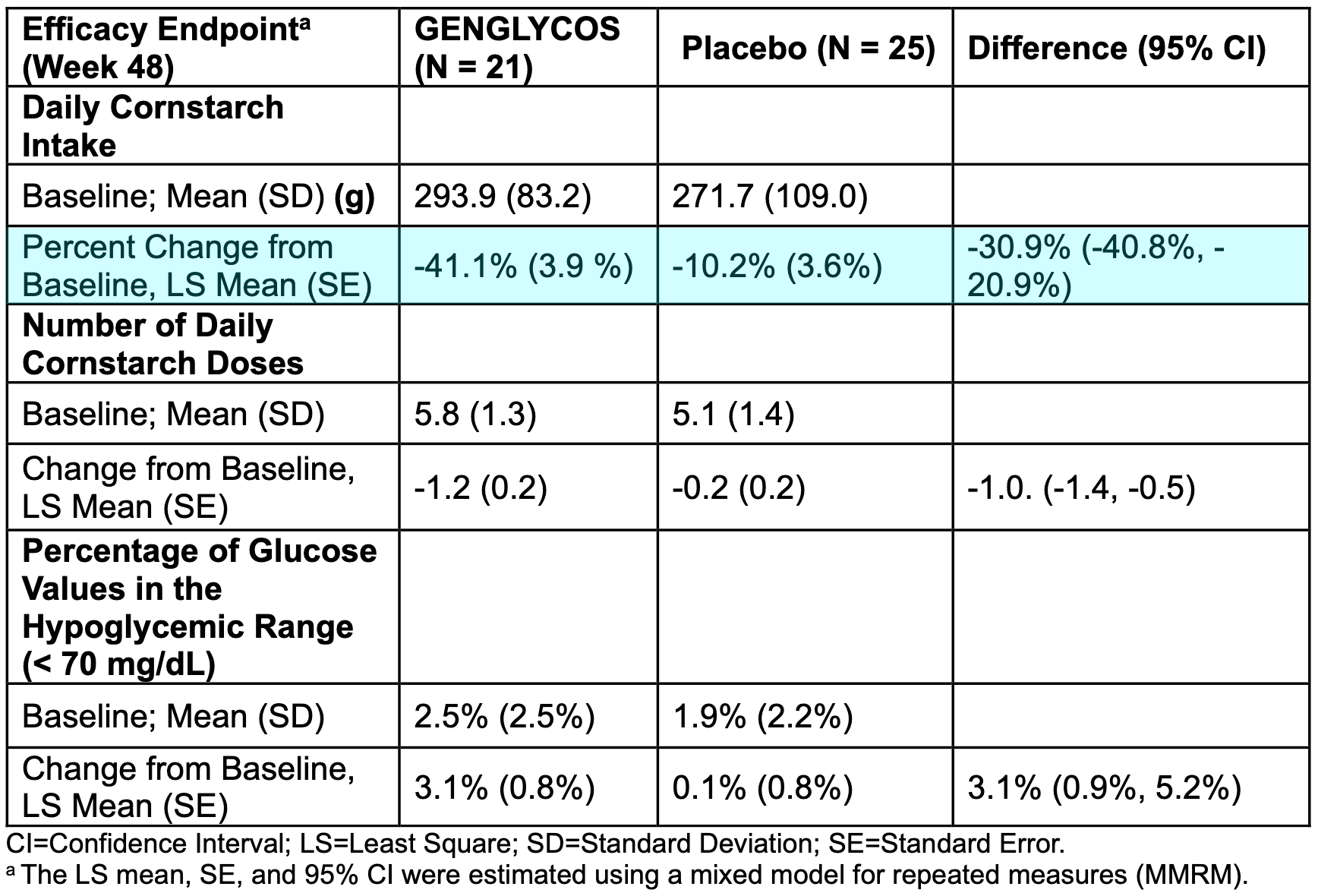
Ultragenyx set a wholesale acquisition cost for Genglycos at $2.7 million per patient, positioning it within the standard price band for one-time, curative-intent in vivo gene therapies. Along with the regulatory decision, Ultragenyx received a Priority Review Voucher (PRV) under the FDA’s Rare Pediatric Disease Designation program, which the company intends to monetize. Genglycos will be made available to eligible patients via designated specialized treatment centers across the U.S.
Sources: Ultragenyx press release, new Genglycos label
Regeneron - Pasatru (anti-Activin A mAb) / Approved (FOP)
On August 19, 2026, the U.S. Food and Drug Administration (FDA) approved Regeneron Pharmaceuticals’ Pasatru (garetosmab-grts) as a targeted treatment to reduce new heterotopic ossification (HO) lesions and clinician-assessed flare-ups in adults living with fibrodysplasia ossificans progressiva (FOP). Fibrodysplasia ossificans progressiva is an ultra-rare, severely debilitating genetic disorder characterized by progressive, irreversible bone formation within skeletal muscles, tendons, ligaments, and soft connective tissues. Over time, these rogue bone formations fuse joints, permanently restricting movement, compromising respiration, and locking the spine and jaw. FOP affects an estimated 900 diagnosed patients globally, according to Regeneron. Pasatru is a fully human monoclonal antibody engineered to bind and neutralize Activin A. In FOP, mutations in the ACVR1 gene cause the ACVR1 receptor to respond abnormally to Activin A, triggering unchecked signaling cascades that drive ectopic osteogenesis. By selectively sequestering Activin A, Pasatru is designed to inhibit this signaling pathway to help reduce abnormal bone growth.
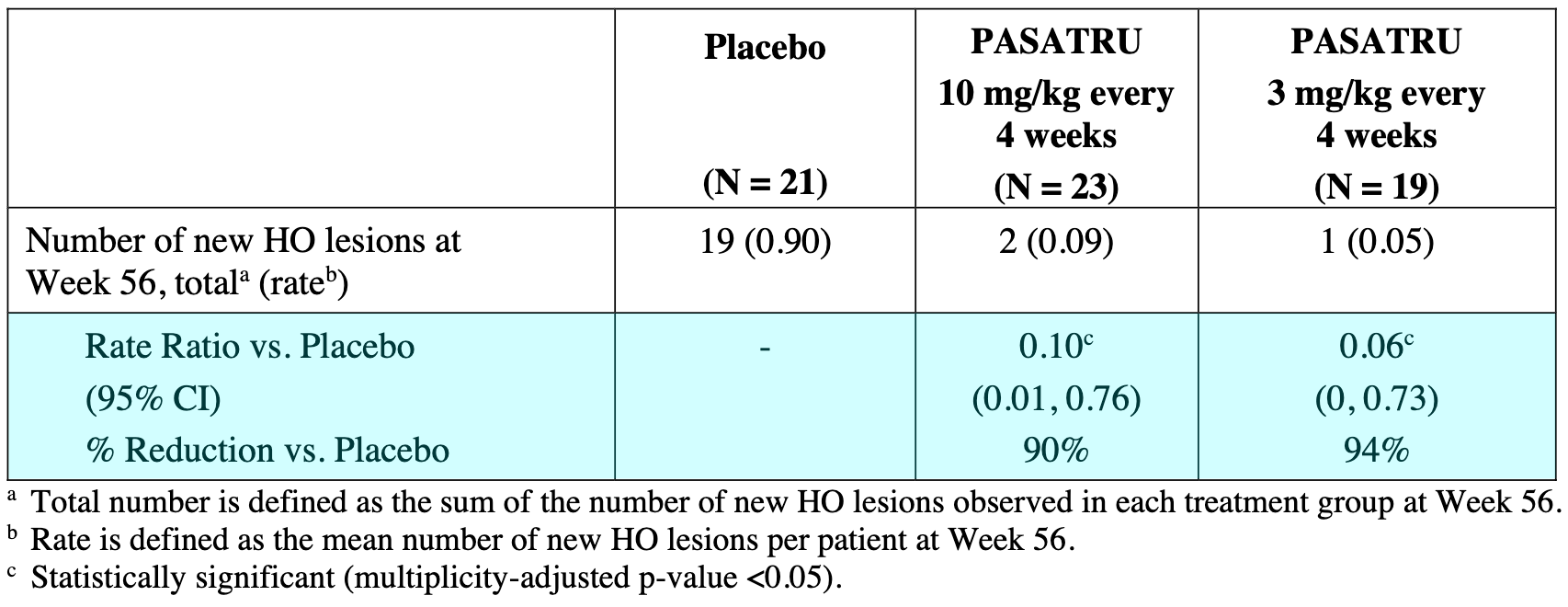
The FDA’s decision was backed by 56-week data from the pivotal, placebo-controlled Phase 3 OPTIMA trial involving 63 adult patients with FOP. As measured by whole-body computed tomography (CT) scans, Pasatru met its primary endpoint across both studied dosing regimens. At 56 weeks, monthly IV infusions of 10 mg/kg demonstrated a 90% reduction in new heterotopic ossification lesions compared to placebo (2 lesions vs. 19 lesions). The 3 mg/kg cohort demonstrated a 94% reduction (1 lesion vs. 19 lesions). For clinician-assessed disease flare-ups, the high-dose (10 mg/kg) regimen drove an 88% reduction relative to placebo (9 flare-ups vs. 66 in placebo). Treatment was generally well-tolerated, with common adverse events including mild-to-moderate skin infections, epistaxis (nosebleeds), acne, oral ulcers, and madarosis (loss of eyebrow/eyelash hair).
Sources: Regeneron press release, new Pasatru label
Clinical Trial Data
Moderna - Intismeran autogene (neoantigen mRNA) / Phase 3 (melanoma)
On August 19, 2026, Moderna and partner Merck announced landmark positive topline results from the Phase 3 INTerpath-001 trial evaluating intismeran autogene (mRNA-4157 / V940), an individualized neoantigen therapy (INT), in combination with pembrolizumab (Keytruda) for patients with completely resected high-risk (stage IIB–IV) cutaneous melanoma.
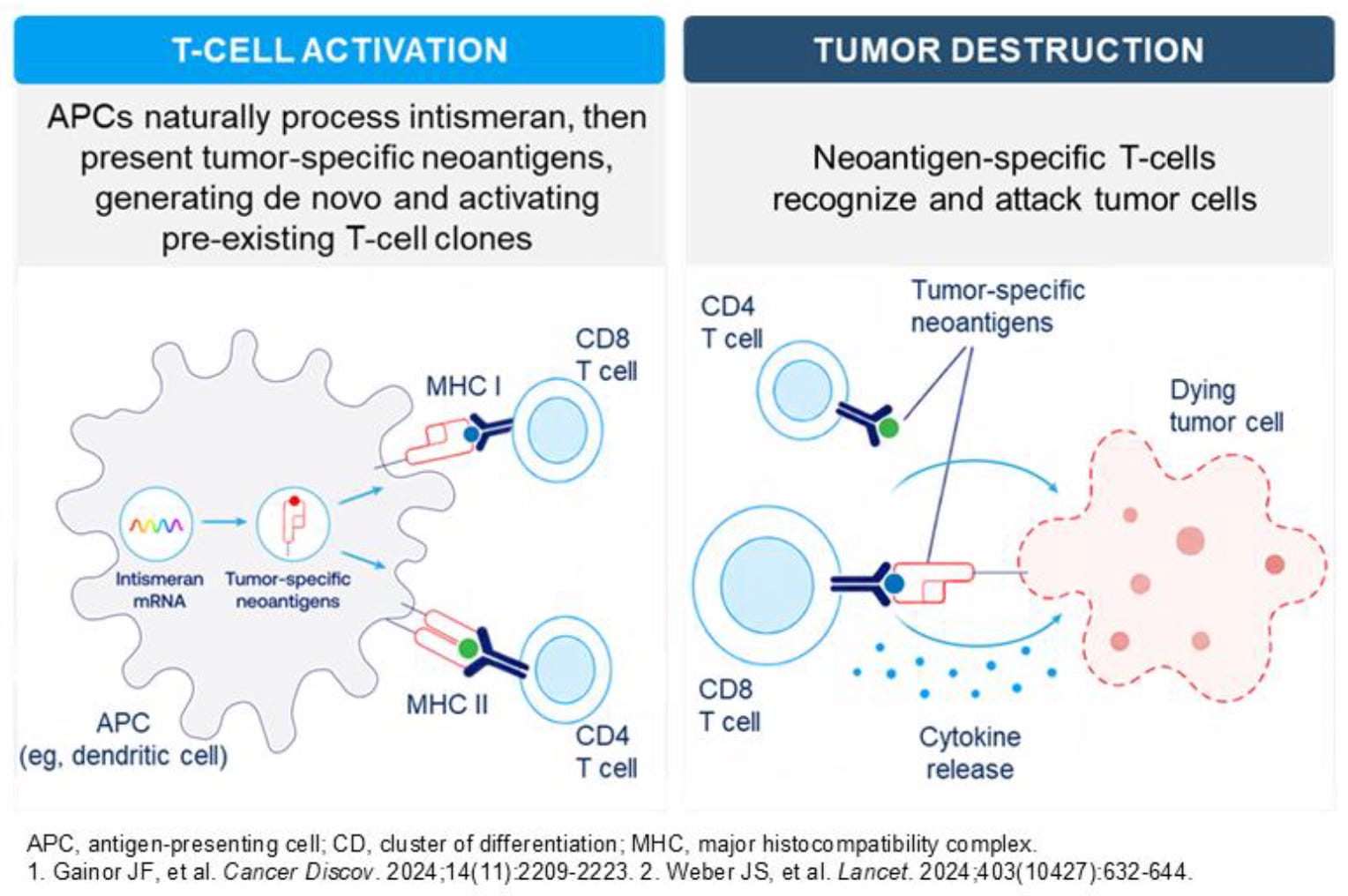
High-risk resected cutaneous melanoma (stages IIB–IV) is driven by oncogenic driver mutations and ultraviolet-induced DNA damage, leaving patients with a high residual risk of relapse from micrometastatic disease foci that evade immune surveillance. While current standard-of-care relies on single-agent PD-1 checkpoint inhibitors (e.g., Keytruda) or BRAF/MEK targeted therapies to reduce recurrence, intismeran autogene (mRNA-4157 / V940) offers a personalized approach as a novel synthetic neoantigen therapy. By using next-generation sequencing on resected tumor tissue, intismeran encodes up to 34 patient-specific neoantigens into a single mRNA strand to prime host dendritic cells and expand cytotoxic T-cell populations against residual tumor cells. When combined with Keytruda, this regimen is designed to synergize targeted T-cell activation with checkpoint disinhibition to generate a robust cellular immune response that could prevent tumor evasion and recurrence in resected high-risk disease.
The global Phase 3 INTerpath-001 trial evaluated adjuvant treatment with intismeran autogene plus Keytruda versus Keytruda monotherapy in 1,137 adult patients with completely resected high-risk cutaneous melanoma (stages IIB–IV). At a prespecified interim analysis, the combination met its primary endpoint by delivering statistically significant and clinically meaningful improvements in Recurrence-Free Survival (RFS) compared to Keytruda alone, while also achieving statistical significance for Distant Metastasis-Free Survival (DMFS) with a manageable safety profile consistent with prior data. As the first successful Phase 3 readout for an individualized mRNA cancer therapy, these landmark results validate personalized neoantigen platforms as a viable oncology modality and establish a novel therapeutic precedent combining active, patient-specific immune priming with passive checkpoint inhibition.
Moderna and partner Merck plan to present detailed interim data, including hazard ratios and survival curves, at an upcoming medical congress. The companies will engage global regulatory authorities (such as the FDA) regarding potential supplemental biologics license application (sBLA) submissions and accelerated approval pathways. The INTerpath clinical platform is ongoing across additional Phase 2 and Phase 3 trials in non-small cell lung cancer (NSCLC), pancreatic ductal adenocarcinoma, and other solid tumors.
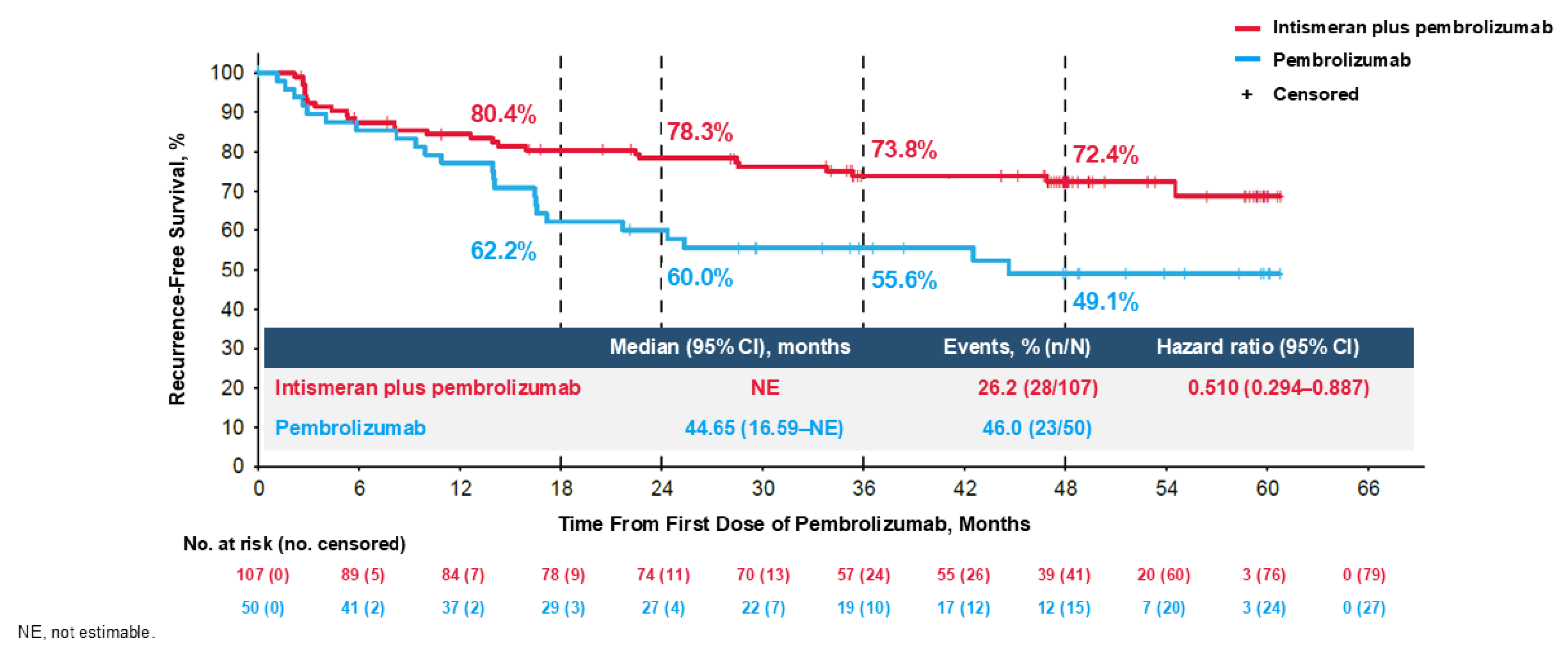
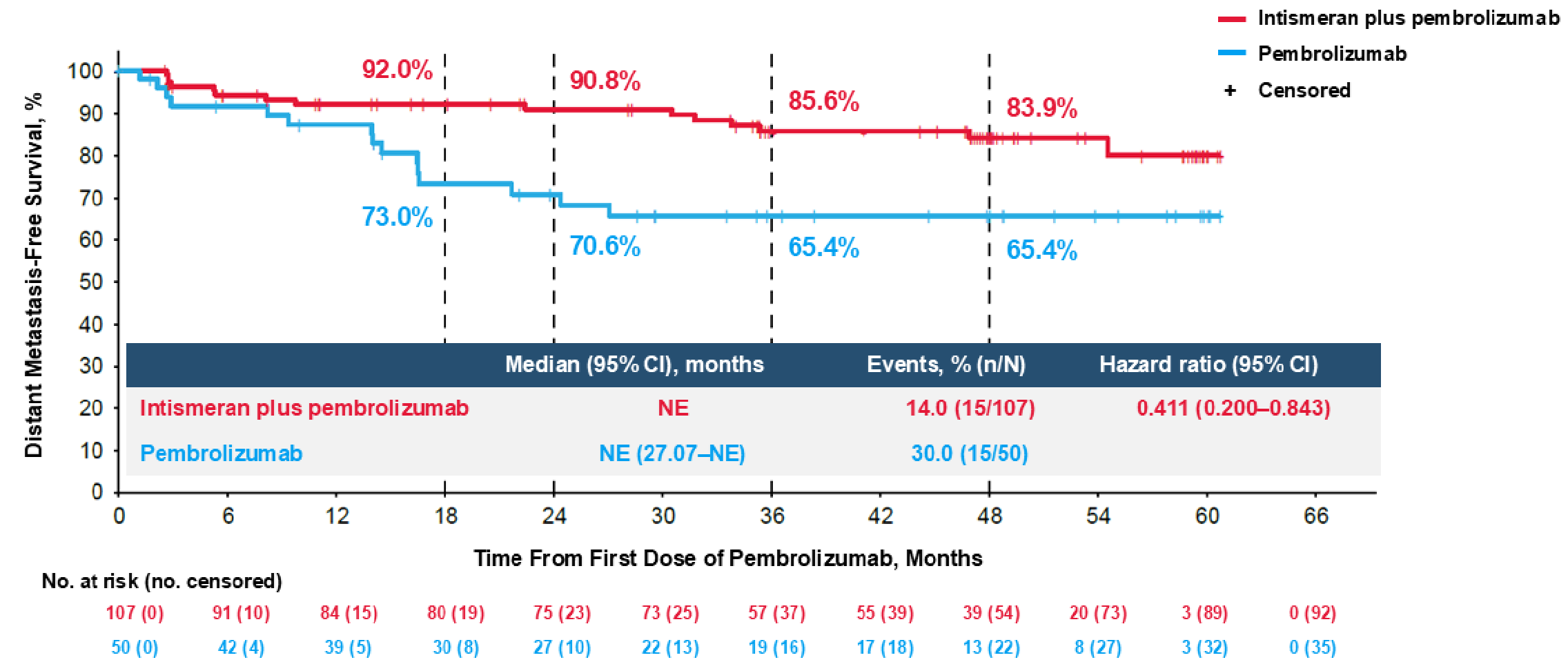
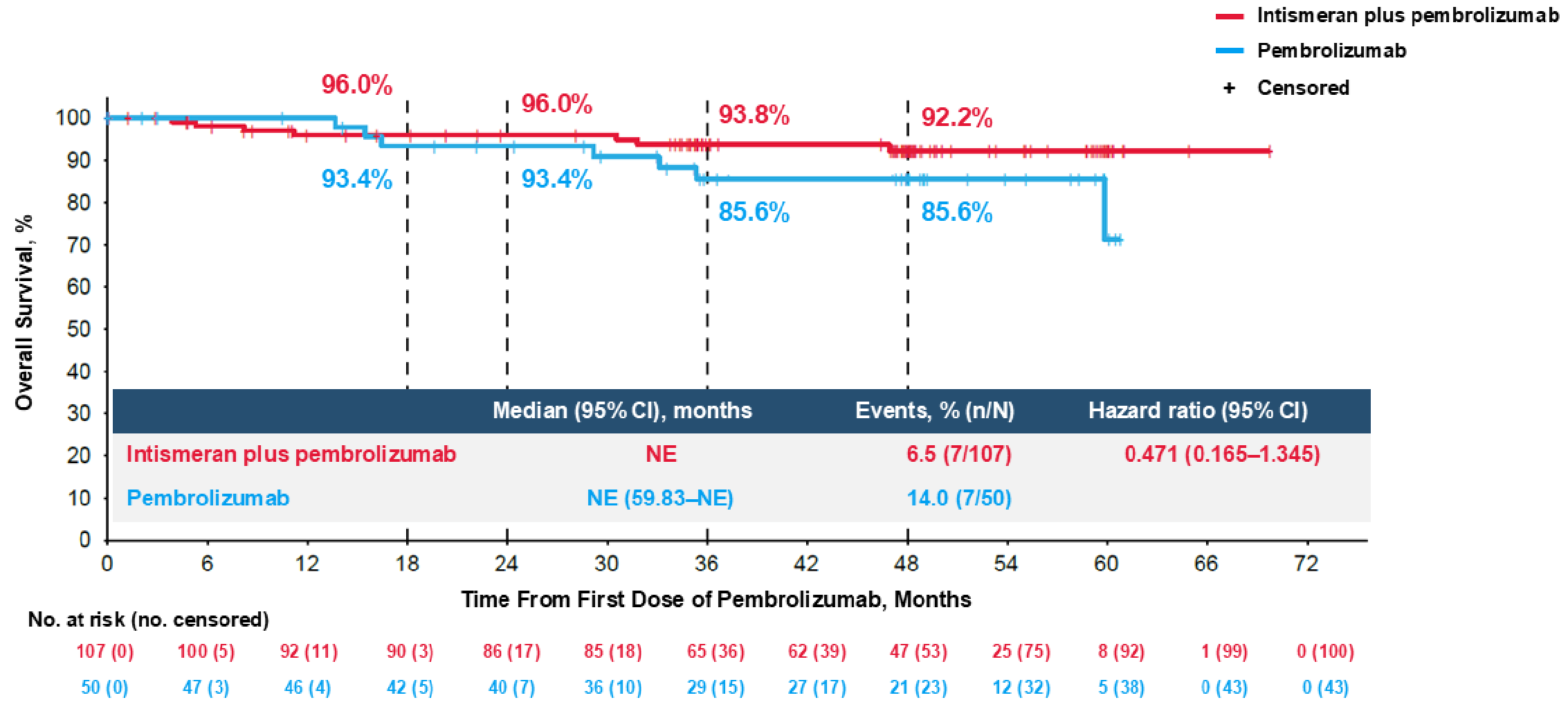
Although Moderna/Merck haven’t released Phase 3 data, the duo did present long-term 5-year follow-up data from the randomized Phase 2b KEYNOTE-942 / mRNA-4157-P201 trial in completely resected stage III/IV melanoma at the 2026 ASCO Annual Meeting (June 2026). At a median planned follow-up of 60.3 months (~5 years), adjuvant intismeran autogene plus Keytruda demonstrated a 49% reduction in the risk of recurrence or death versus Keytruda alone (HR=0.510; 95% CI: 0.294-0.887). This showed remarkable stability compared to a 3-year data cut (HR = 0.51), demonstrating that the RFS benefit did not decay over time. The combination sustained a 59% reduction in the risk of distant metastasis or death (DMFS) compared to Keytruda monotherapy (HR=0.411; 95% CI: 0.200-0.843). In an exploratory analysis, the combination showed an encouraging, clear numerical trend toward improved overall survival, with a 53% reduction in the risk of death (HR=0.471; 95% CI: 0.165-1.345), though the small sample size (n=157) limited formal statistical power. T-cell receptor (TCR) repertoire sequencing presented alongside the clinical data confirmed that the mRNA vaccine generated novel, long-lived, neoantigen-specific T-cell clones that persisted in circulation for years.
Sources: Moderna press release, Moderna ASCO 2026 slide deck
Amylyx - Avexitide (GLP1 inhibitor) / Phase 3 (post-bariatric hypoglycemia)
On August 18, 2026, Amylyx Pharmaceuticals announced positive topline results from the pivotal Phase 3 LUCIDITY trial evaluating avexitide, a first-in-class targeted GLP-1 receptor antagonist, in patients with severe post-bariatric hypoglycemia (PBH) following Roux-en-Y gastric bypass (we covered the bariatric surgery and the development of this specific procedure here).
Post-bariatric hypoglycemia (PBH) is a complex metabolic complication affecting up to 8% of bariatric surgery patients (according to Amylyx), where altered gastrointestinal anatomy causes rapid meal delivery into the intestine, triggering pathological hyper-secretion of glucagon-like peptide-1 (GLP-1). This surge drives excessive insulin release by pancreatic beta cells, causing life-threatening postprandial drops in blood glucose (<54 mg/dL) that current standard of care, relying on strict dietary modifications or off-label, poorly tolerated drugs like acarbose and octreotide, fails to manage adequately. Avexitide addresses this root driver as a first-in-class GLP-1 receptor antagonist, selectively binding to pancreatic beta cell GLP-1 receptors to block excessive signaling, normalize insulin secretion, and stabilize blood glucose levels. Amylyx’s anti-GLP-1 strategy presents a direct pharmacological mirror image to the blockbuster GLP-1 agonist wave led by semaglutide and tirzepatide. While obesity blockbusters use synthetic agonists to mimic or enhance GLP-1 receptor activation to delay gastric emptying, suppress appetite, and drive systemic weight loss, Amylyx deployed avexitide as a targeted GLP-1 receptor antagonist to selectively block pathologically hyperactive incretin signaling on pancreatic islet beta cells. Therapeutically, where GLP-1 agonists target common, chronic metabolic conditions (obesity and type 2 diabetes) across millions of patients, Amylyx leverages receptor blockade for a niche, high-unmet-need orphan indication in post-bariatric hypoglycemia (PBH). Crucially, while obesity treatments intentionally drive drastic weight reduction, avexitide is designed to mitigate life-threatening, postprandial hyperinsulinemic glucose crashes without triggering weight regain or altering body weight, thereby resolving a severe surgical complication while preserving the primary metabolic benefits of the patient’s original bariatric procedure.
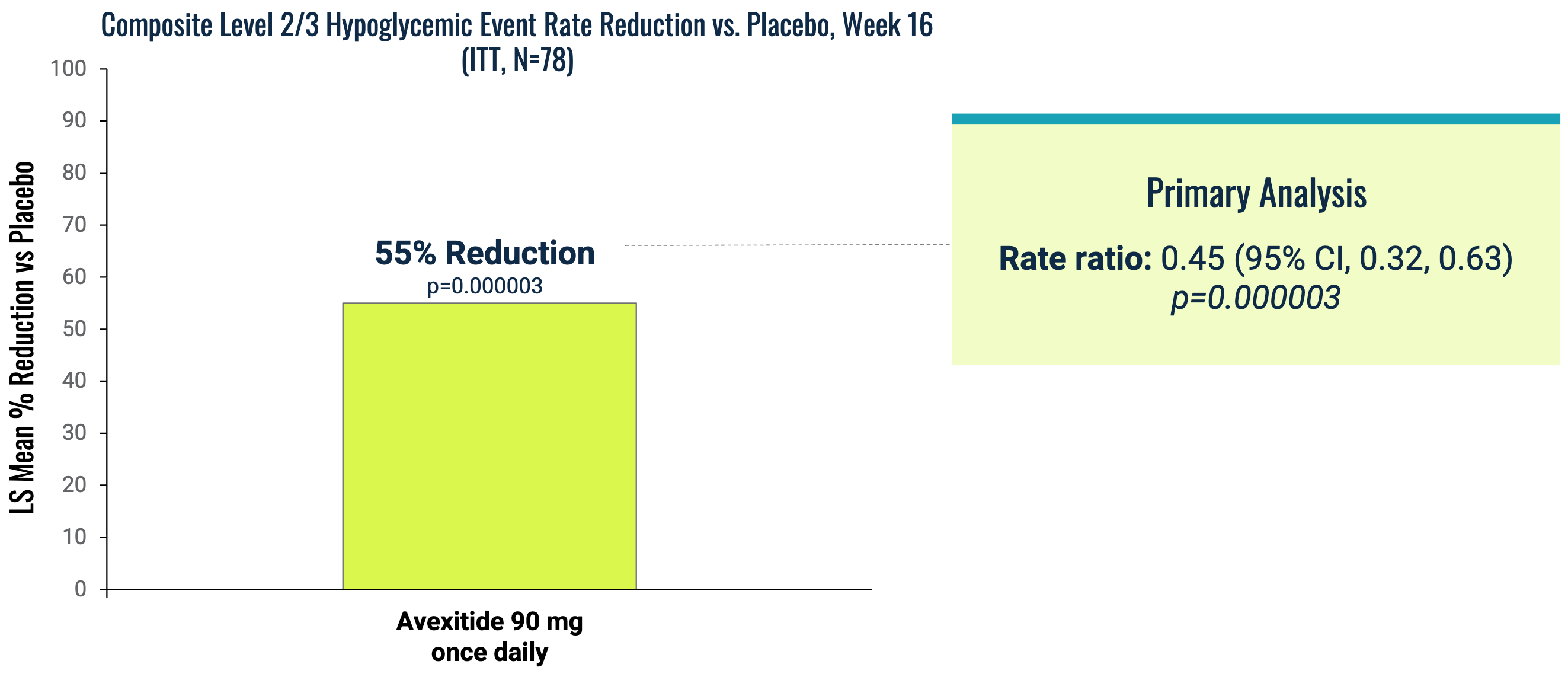
The pivotal Phase 3 LUCIDITY trial evaluated daily subcutaneous avexitide against placebo over 16 weeks in adults with severe post-bariatric hypoglycemia (PBH) following Roux-en-Y gastric bypass. Avexitide met its primary endpoint by delivering a statistically significant 55% reduction in the composite rate of Level 2 and Level 3 hypoglycemic events (p = 0.000003), while also meeting all key secondary endpoints across continuous glucose monitoring and self-monitoring parameters. Treatment was well tolerated with no treatment-related serious adverse events, mild-to-moderate side effects, and no impact on weight. By successfully mitigating severe hypoglycemia without triggering weight regain, avexitide provides critical proof-of-concept for targeted GLP-1 receptor antagonism to address a high unmet need in a patient population affecting roughly 8% of bariatric surgery recipients, according to Amylyx.
Amylyx plans to submit a New Drug Application (NDA) to the FDA by late 2026, leveraging its existing Breakthrough Therapy and Orphan Drug Designations. The study’s 32-week open-label extension (OLE) remains ongoing to establish long-term safety and durability parameters. This readout represents a crucial corporate pivot and operational turnaround for Amylyx Pharmaceuticals. The company faced a major setback in early 2024 when its flagship amyotrophic lateral sclerosis (ALS) therapy, Relyvrio (AMX0035), failed its confirmatory Phase 3 PHOENIX trial. Prioritizing clinical integrity, Amylyx voluntarily withdrew Relyvrio from the market and initiated a sweeping restructuring that reduced its workforce by roughly 70%. To pivot beyond its single-asset ALS risk, Amylyx strategically acquired avexitide in July 2024 to anchor its clinical pipeline with a Phase 3-ready asset targeting a high-unmet-need endocrine disorder.
Sources: Amylyx press release, Amylyx slide deck
Argenx - Vyvgart (FcRn inhibitor) / Phase 3 (autoimmune myositis)
On August 17, 2026, Argenx announced positive topline results from the Phase 3 ALKIVIA trial evaluating its subcutaneous FcRn blocker, Vyvgart Hytrulo (efgartigimod alfa and hyaluronidase-qvfc), in adult patients with active autoimmune myositis. Showing that FcRn-mediated autoantibody clearance drives clinical response in muscle-directed autoimmune conditions further de-risks Argenx’s active trials across broader IgG-driven landscapes, reinforcing Vyvgart as a versatile, multi-indication mega-franchise.
Autoimmune myositis, including dermatomyositis (DM), immune-mediated necrotizing myopathy (IMNM), and polymyositis (PM), is driven by an immune system malfunction where pathogenic immunoglobulin G (IgG) autoantibodies and complement activation cause myofiber necrosis, chronic muscle weakness, and tissue damage. While standard of care relies heavily on high-dose systemic corticosteroids, chronic immunosuppressants, or IVIg/plasma exchange to manage inflammatory cascades and clear autoantibodies, significant unmet need remains for targeted, steroid-sparing therapies. Vyvgart (efgartigimod alfa) directly targets this underlying disease driver by selectively blocking the neonatal Fc receptor (FcRn), preventing FcRn-mediated recycling and routing circulating pathogenic IgG autoantibodies to lysosomal degradation. By accelerating autoantibody clearance, Vyvgart is deigned to reduce circulating IgG levels to mitigate antibody-mediated muscle destruction and systemic inflammation across distinct autoimmune myositis subtypes.
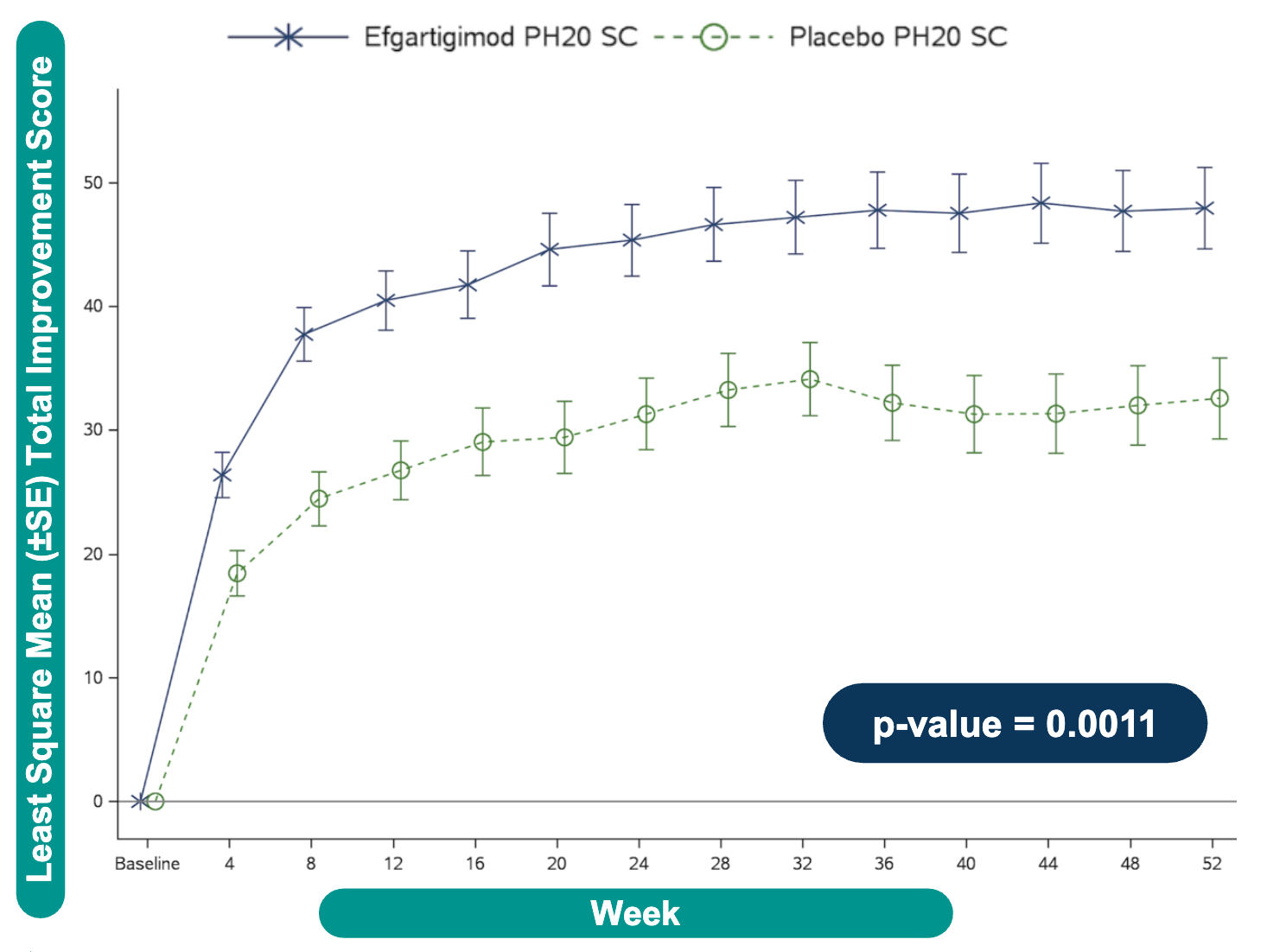
The pivotal Phase 2/3 ALKIVIA trial evaluated weekly subcutaneous Vyvgart Hytrulo alongside a protocol-mandated corticosteroid taper over 52 weeks in adult patients with active autoimmune myositis, primarily targeting immune-mediated necrotizing myopathy (IMNM) and dermatomyositis (DM) subtypes. The study met its primary endpoint, delivering a statistically significant 15.4-point mean Total Improvement Score (TIS) advantage over placebo at Week 52 (p = 0.0011) with early separation by Week 4 and a clean safety profile consistent with prior efgartigimod data. Subgroup analyses confirmed a statistically significant 14.8-point TIS benefit in IMNM (p = 0.0048) and a numerically similar 14.5-point gain in DM (p = 0.1093), marking the first Phase 3 validation of FcRn blockade in inflammatory myopathies and establishing autoantibody depletion as a viable disease-modifying approach particularly for high-unmet-need populations like IMNM.
Argenx plans to present comprehensive full-dataset analyses, including individual core set components and polymyositis (PM) exploratory cohorts, at an upcoming medical congress. The company seeks to utilize the positive primary endpoint in the combined population and the robust IMNM dataset to engage global regulatory agencies regarding potential supplemental biologics license applications (sBLA) for Vyvgart Hytrulo in autoimmune myositis.
Sources: Argenx press release, Argenx slide deck
AC Immune - ACI-19764 (NLRP3 inhibitor) / Phase 1 (ASCVD)
On August 20, 2026, AC Immune announced positive preliminary Phase 1 clinical data for ACI-19764, its wholly owned, oral, brain-penetrant small-molecule inhibitor of the NLRP3 inflammasome.
High-sensitivity C-reactive protein (hsCRP) serves as a key biomarker for residual cardiovascular risk in atherosclerotic cardiovascular disease (ASCVD), where interleukin-driven vascular inflammation promotes endothelial dysfunction and unstable plaque formation, elevating major adverse cardiovascular event (MACE) risks even alongside standard lipid-lowering therapies like statins. By targeting this underlying inflammatory driver, ACI-19764, an oral, CNS-penetrant small-molecule NLRP3 inflammasome inhibitor, directly blocks intracellular NLRP3 activation to stop the assembly of the multiprotein complex required for interleukin-1 beta (IL-1b) cleavage and secretion. Consequently, inhibiting NLRP3 suppresses the downstream IL-1b/IL-6 cascade responsible for hepatic hsCRP synthesis, offering a targeted approach to mitigate systemic inflammation and potentially reduce residual cardiovascular risk.
The first-in-human Phase 1/1b trial of ACI-19764 in Europe established a clean safety profile across all single and multiple ascending dose cohorts, with zero serious adverse events or treatment withdrawals. Pharmacokinetic and pharmacodynamic analyses confirmed a serum half-life exceeding 30 hours to support once-daily dosing, with low doses (≤10 mg) exceeding target IC90 levels and driving dose-dependent IL-1b suppression in whole-blood assays. Combined with proven brain penetration, these results establish ACI-19764 as a flexible, competitive oral NLRP3 inhibitor capable of addressing both peripheral cardiometabolic inflammation and neurodegenerative diseases. AC Immune plans to report initial pharmacodynamic readout on hsCRP anti-inflammatory activity from the cardiovascular risk cohort by year-end 2026. Complete trial results and additional cohort data are projected for H1 2027.
The clinical profile demonstrated by ACI-19764 (combining robust NLRP3 inhibition, oral bioavailability, clean safety, and brain penetration) directly mirrors the strategic thesis behind Eli Lilly’s $1.2 billion acquisition of Ventyx Biosciences. Big pharma interest in the NLRP3 space has intensified around oral candidates capable of addressing both peripheral cardiometabolic residual risk (such as hsCRP-driven cardiovascular disease) and central neuroinflammatory drivers in neurodegenerative diseases. By validating a once-daily oral profile with dual systemic and CNS exposure, AC Immune’s early data positions ACI-19764 in the same highly sought-after class as Ventyx’s assets (e.g., VTX3232), highlighting the competitive potential of next-generation NLRP3 inhibitors as multi-indication franchise anchors across cardiometabolic and neurodegenerative markets.
Sources: AC Immune press release, Eli Lilly press release
Descriptive data releases without numerical data
Bristol Myers Squibb - Iza-bren (EGFR x HER3 ADC) / Phase 3 (EGFR+ NSCLC): Bristol Myers Squibb and partner SystImmune announced positive Phase 3 results for iza-bren (izalontamab brengitecan; BL-B01D1), a first-in-class EGFR x HER3 bispecific antibody-drug conjugate (ADC), in patients with EGFR-mutated non-small cell lung cancer (NSCLC). In a pivotal Phase 3 study conducted in China evaluating pretreated EGFR+ NSCLC, the trial successfully met its primary efficacy endpoint (PEP) by demonstrating a statistically significant improvement in progression-free survival (PFS) compared to standard chemotherapy. Although detailed quantitative data were not immediately disclosed during the initial announcement, the study’s success reinforces iza-bren’s dual-targeting mechanism and supports its continued global late-stage development in lung cancer. Sources: Endpoints article
AstraZeneca - Orpathys (MET inhibitor) / Phase 3 (EGFR+ NSCLC): AstraZeneca and partner HUTCHMED announced positive topline results from the global Phase 3 SAFFRON trial evaluating the oral combination of Orpathys (savolitinib; MET inhibitor) and Tagrisso (osimertinib) in patients with locally advanced or metastatic EGFR-mutated non-small cell lung cancer (NSCLC) with high MET overexpression or amplification whose disease progressed on prior Tagrisso treatment. The trial successfully met its primary endpoint, demonstrating that the biomarker-directed, all-oral doublet achieved a statistically significant and clinically meaningful improvement in both progression-free survival (PFS) and overall survival (OS) compared to standard doublet platinum-based chemotherapy, with no new safety signals reported. While full quantitative data—including hazard ratios and median survival metrics—were withheld in the initial release, AstraZeneca confirmed the complete dataset will be presented at an upcoming medical conference and submitted to global regulatory agencies to support potential approvals. Sources: Hutchmed press release
AstraZeneca - Enhertu (HER2 ADC) / Phase 3 (HER2+ 1L NSCLC): AstraZeneca and partner Daiichi Sankyo announced positive topline results from the Phase 3 DESTINY-Lung04 trial (NCT05048797), demonstrating that Enhertu (trastuzumab deruxtecan; HER2-directed ADC) achieved a statistically significant and clinically meaningful improvement in progression-free survival (PFS) compared to the standard-of-care regimen of Keytruda (pembrolizumab) plus platinum-pemetrexed doublet chemotherapy as a first-line (1L) treatment for patients with unresectable, locally advanced or metastatic HER2-mutant non-squamous non-small cell lung cancer (NSCLC). As the first HER2-directed therapy to outperform chemoimmunotherapy in a frontline Phase 3 trial for this biomarker-selected population, Enhertu established a potential shift into earlier lines of care, with no new safety signals identified. While full quantitative primary endpoints were withheld from the initial release, AstraZeneca confirmed the complete dataset will be presented at an upcoming medical conference and submitted to global regulatory authorities while the study continues to assess overall survival (OS) as a secondary endpoint. Sources: AstraZeneca press release
Love biotech? Check out Biotech Readout’s full content library, or navigate directly to a segment that interests you:
Frontiers in Medicine: Exploring the frontiers of our understanding and treatments for disease.
Medical History: Recovering forgotten relics in the history of medicine.
Acquisitions: Exploring the innovation behind acquired companies.
Weekly Readout: A digest of new clinical data from the past week.

To contact us, please send us an email at biotechreadout@gmail.com
Disclaimers
Investigational Status Disclaimer
The therapeutic candidates discussed in this newsletter are currently in clinical development and have not been approved for commercial sale by the U.S. Food and Drug Administration (FDA), the European Medicines Agency (EMA), or other global regulatory authorities. Their safety and efficacy have not been established. References to pipeline products and ongoing clinical trials involve significant risks and uncertainties. Statements regarding the potential safety, potency, or efficacy of investigational drugs reflect current hypotheses and are not a guarantee of future performance or regulatory clearance. The outcome of clinical trials is inherently unpredictable, and clinical results from earlier stages may not be predictive of results in later, larger-scale trials.
No Medical Advice Disclaimer
This newsletter is for informational and educational purposes only. The content is not intended to be a substitute for professional medical advice, diagnosis, or treatment. Always seek the advice of your physician or another qualified health provider with any questions you may have regarding a medical condition. Never disregard professional medical advice or delay in seeking it because of something you have read in this publication.
No Patient-Provider Relationship Disclaimer
The information provided in this newsletter is for educational and analytical purposes only. Receipt of this information, or any interaction with this content, does not create a physician-patient, pharmacist-patient, or any other professional-provider relationship between you and the authors or publishers. This newsletter should not be used as a substitute for a personal consultation with a qualified healthcare professional.
Forward-Looking Statements Disclaimer
This newsletter contains “forward-looking statements” regarding future events, including clinical trial timing, regulatory milestones, and projected market performance. These statements are based on current expectations and assumptions that are subject to significant risks and uncertainties. Actual results may differ materially from those expressed or implied. We undertake no obligation to update these statements as a result of new information or future developments.
Third-Party Links & Content Disclaimer
This newsletter contains links to third-party websites, including clinical trial registries and corporate presentations. Biotech Readout does not endorse, guarantee, or assume responsibility for the accuracy or reliability of any information offered by third-party providers.
Errors and Omissions Disclaimer
While we strive for technical accuracy, the information in this newsletter is provided on an “as is” basis with no guarantees of completeness, accuracy, or timeliness. Biotech Readout assumes no liability for any errors or omissions in the content of this publication.
Non-Endorsement Disclaimer
Any reference to specific commercial products, processes, or services by trade name, trademark, or manufacturer does not constitute or imply an endorsement or recommendation by the author. All trademarks are the property of their respective owners.
No Investment Advice Disclaimer
This newsletter is for informational purposes only and does not constitute financial, investment, or legal advice. The author is not a registered investment advisor. You should consult with a professional financial advisor before making any investment decisions. The biotechnology sector is highly volatile; past performance is not indicative of future results.
Conflict of Interest Disclaimer
The author of this newsletter maintains a position of independence. At the time of publication, the author holds no direct financial interest, equity, or options in any of the companies mentioned in this report. No compensation has been received from any third party to feature or analyze specific therapeutic candidates or corporate entities.