
BioMarin to Acquire Alesta
Rare disease maven bets on a next generation bone-forming medicine

Disclaimer: This newsletter is for educational and informational purposes only and does not constitute medical, investment, or financial advice, nor does it establish a provider-patient relationship. Content may include forward-looking statements and discussions of investigational therapeutic candidates that are not FDA/EMA approved; their safety and efficacy remain unestablished and clinical outcomes are unpredictable. While we strive for accuracy, all information is provided as is without guarantees. As of the date of publication, the author holds no direct equity positions in the specific companies mentioned in this issue nor receives third-party compensation for this coverage. Please find a complete version of our disclaimers at the bottom of this article and on our About page.

Introduction
On August 18, 2026, BioMarin Pharmaceutical Inc. announced a definitive agreement to acquire Alesta Therapeutics for an upfront payment of $275 million plus up to $215 million in subsequent payments upon achievement of certain development and regulatory milestones. This acquisition centers on ALE1, an investigational oral small molecule ENPP1 inhibitor for the potential treatment of a rare genetic bone disease called hypophosphatasia (HPP).
In this article, we rediscover the history of HPP, touch on a related acquisition (Enobia-Alexion), explore the founding story of Alesta, and learn how ALE1 could push the frontier of HPP standard-of-care.
Babies With Fragile Bones
The medical history of hypophosphatasia (HPP) evolved over nearly a century, starting in 1948. At the Children’s Hospital in London, Ontario, Dr. John Campbell Rathbun encountered a patient that defied the era’s understanding of pediatric bone disease. A three-month-old infant was brought to him displaying the classic outward signs of advanced, severe rickets: soft, fragile bones, severe skeletal deformities, and painful respiratory distress. Standard medical wisdom dictated a clear course of action: high doses of Vitamin D to spur calcium absorption and restore bone density.
Yet, as Rathbun initiated treatment, the infant’s condition rapidly deteriorated rather than improved. Bone X-rays revealed a stark, almost phantom-like picture: skeletal structures were so severely de-mineralized that the infant’s bones appeared nearly invisible against the radiograph. Mystified by the failure of Vitamin D, Rathbun ordered detailed biochemical blood panels. When the laboratory results returned, they revealed a striking paradox. Rickets typically drove serum alkaline phosphatase, an enzyme crucial for bone mineralization, to exceptionally high levels as the body struggled to build bone. In this infant, serum alkaline phosphatase activity was almost entirely absent. Recognizing that he was witnessing a novel genetic disorder, Rathbun published his seminal paper in the American Journal of Diseases of Children, coining the name hypophosphatasia (HPP) to define this distinct entity marked by subnormal alkaline phosphatase activity.
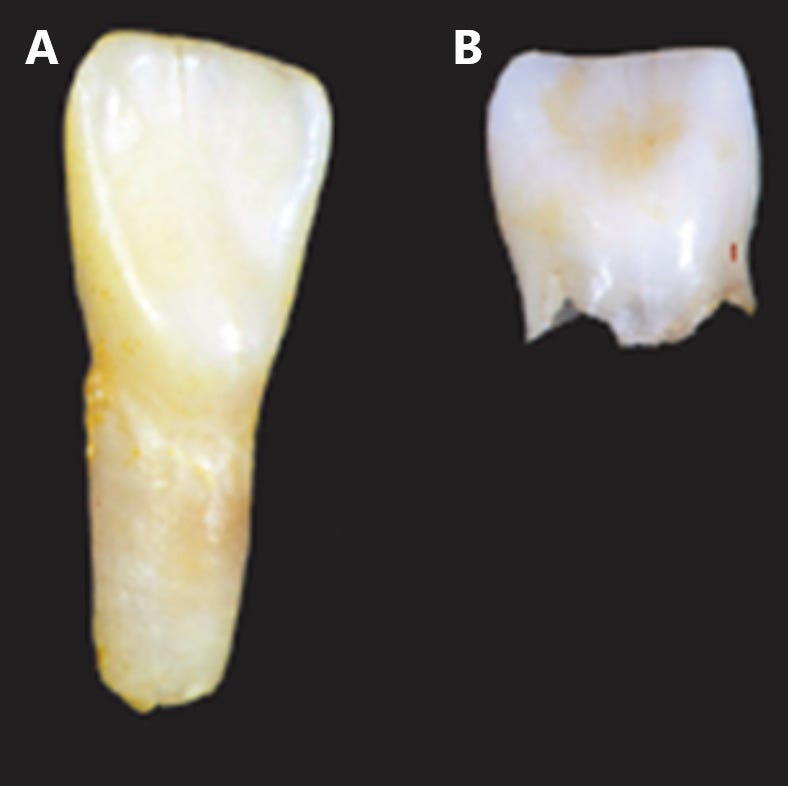
Beyond naming the condition, Rathbun’s early detailed clinical documentation captured the full, devastating clinical breadth of infantile HPP. He documented the failure of the skull bones to fuse properly, the premature loss of primary teeth due to weak attachment tissues, and the sudden, severe vitamin B6-dependent seizures that frequently accompanied the disease. Though the biochemical pathway explaining the disease’s mechanism was still decades away, Rathbun’s initial case report permanently shifted pediatric pathology, carving out a novel clinical description that helped medical literature categorize and study the HPP. Nevertheless, Rathbun’s discovery left behind a critical question: why did a lack of serum alkaline phosphatase prevent normal bone formation? The answer lay hidden in the biochemical fluids of patients, where researchers began discovering unusual chemical clues that would take three decades to fully decipher.
The first breakthrough came in 1955 when David Fraser and his team identified abnormally high concentrations of phosphoethanolamine (PEA) in the urine and blood of individuals with HPP. It was the first identified biochemical marker of the disease beyond low enzyme levels, confirming that alkaline phosphatase missing from the body caused specific cellular metabolites to back up and spill over into circulation. However, high PEA alone could not explain why bones failed to harden. The missing link emerged in the mid-1960s when Herbert Fleisch and his colleagues demonstrated the physiological role of inorganic pyrophosphate (PPi). They discovered that inorganic pyrophosphate (PPi) acts as a potent natural brake on bone formation by binding directly to calcium and preventing hydroxyapatite crystals from precipitating into solid bone matrix. Shortly thereafter, researchers measured the blood and urine of HPP patients and found overwhelming excesses of PPi. By the 1970s, the mechanism became clear: tissue-nonspecific alkaline phosphatase (TNSALP) didn’t directly build bone, rather it was an enzyme that dis-inhibited bone formation by clearing PPi. Without active TNSALP, excess PPi accumulated at the cell surface, suffocating the skeleton’s ability to calcify.
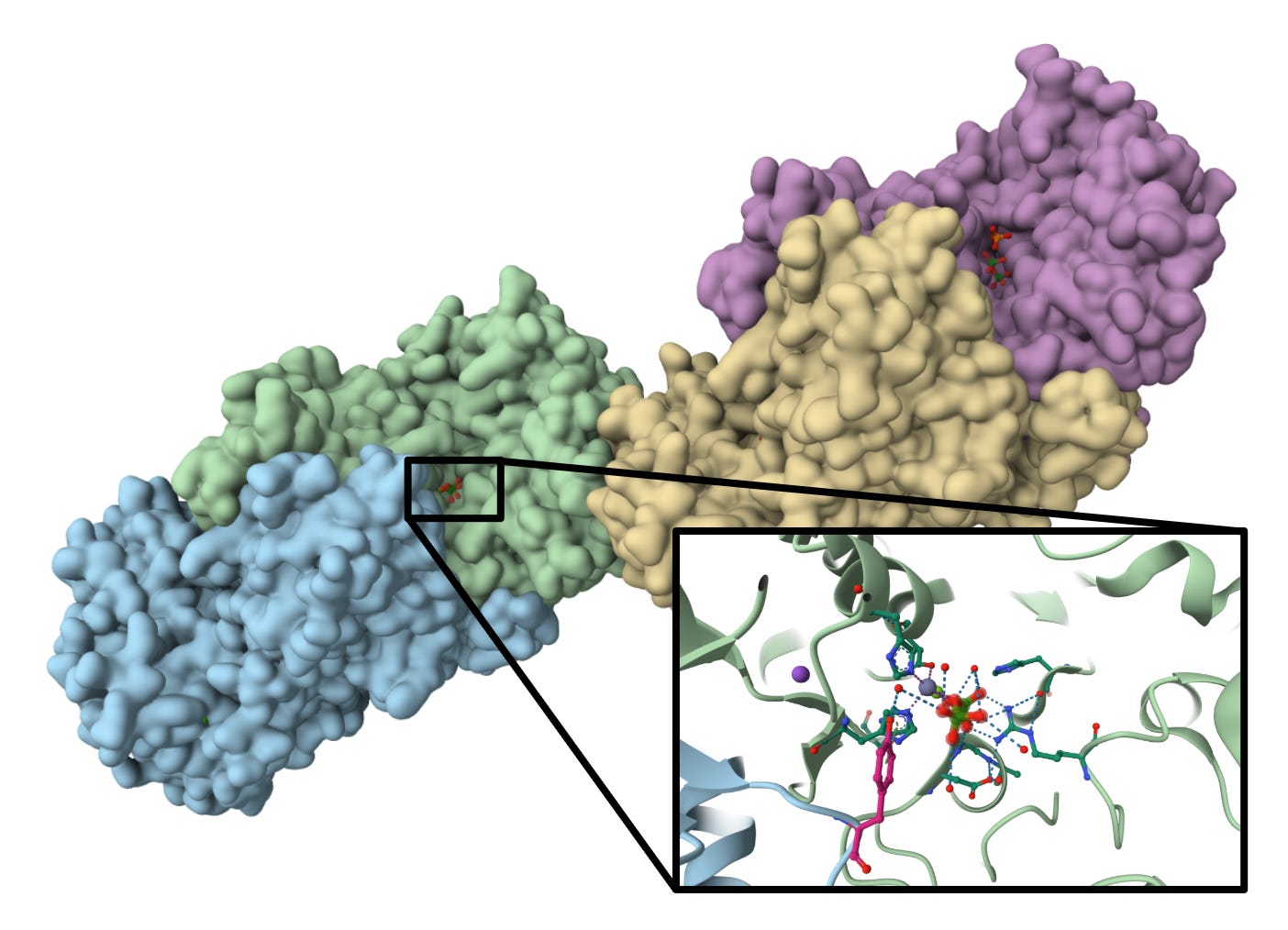
Parallel investigations into the neurological complications of severe HPP uncovered a third key substrate: pyridoxal-5’-phosphate (PLP), the active form of Vitamin B6. Researchers discovered that TNSALP was required to dephosphorylate PLP into pyridoxal so it could cross the blood-brain barrier. Without this step, the central nervous system was starved of Vitamin B6, triggering the lethal, intractable seizures observed in infants with the disease. Finally, in 1988, advances in molecular biology allowed researchers to map and clone the human ALPL gene on chromosome 1. Isolating the gene enabled scientists to identify specific missense and nonsense mutations in HPP patients. This fundamental genetic breakthrough finally tied thirty years of biochemical observations (elevated PPi, PEA, and PLP) to a single genetic defect, establishing HPP as a definitive inborn error of metabolism caused by loss-of-function mutations in the ALPL gene.
Led by researchers such as Dr. Michael P. Whyte at Washington University in St. Louis, clinicians formally structured HPP into six distinct clinical subtypes based primarily on the age of onset of skeletal symptoms and phenotypic severity:
Perinatal (Lethal) HPP: Marked by profound skeletal hypomineralization in utero, caput membranaceum (soft, uncalcified skull), chest wall instability, and severe pulmonary hypoplasia. Before modern interventions, this form was almost uniformly fatal within hours or days of birth.
Prenatal Benign HPP: A rare, paradoxical subtype identified via fetal ultrasound. Despite significant prenatal long-bone deformities and bowing, these infants spontaneously improved late in gestation or after birth, transitioning into milder childhood or adult phenotypes.
Infantile HPP: Symptoms appeared before six months of age. Infants presented with failure to thrive, rachitic rib deformities leading to respiratory distress, craniosynostosis (premature cranial suture fusion causing raised intracranial pressure), hypercalcemia, and vitamin B6.
Childhood HPP: Manifesting after six months of age, children exhibited short stature, skeletal deformities (e.g., knock-knees or bowlegs), a classic waddling gait due to muscle weakness, bone and joint pain, and delayed motor milestones. Premature loss of primary teeth—exfoliated fully intact with roots due to cementum aplasia—remained a hallmark feature.
Adult HPP: Typically presenting in mid-adulthood with recurrent poorly healing stress fractures (especially of the metatarsals and subtrochanteric femur), early loss of permanent teeth, premature osteoarthritis, and painful calcium pyrophosphate dihydrate (CPPD) crystal deposition / chondrocalcinosis.
Odontohypophosphatasia: The mildest variant, restricted strictly to dental pathology. Patients suffered premature tooth loss and severe dental caries without overt radiological evidence of skeletal rickets or osteomalacia.
Making Your Bones
With the root cause of HPP in hand (defects in the ALPL gene), small teams of scientists set out to develop a treatment. Early efforts in the 1980s and 1990s to treat HPP via simple intravenous infusions of human alkaline phosphatase (ALP) failed because systemic enzyme administration could not adequately penetrate and accumulate within the hydroxyapatite matrix of bones.
In the late 1990s and early 2000s, Canadian biochemist Dr. Philippe Crine and his team at the Université de Montréal and a relatively small Canadian biotechnology company based in Montreal called Enobia Pharma pioneered a solution. They engineered a soluble, recombinant protein composed of three functional regions:
PPi Degradation: The catalytic domain of human tissue-nonspecific alkaline phosphatase (TNSALP).
Half-life Extension:The Fc domain of human IgG1 (to increase serum half-life and facilitate purification).
Bone Homing: A C-terminal deca-aspartate (Asp10) peptide tag, a negatively charged sequence designed specifically to bind with high affinity to positively charged hydroxyapatite crystals in skeletal matrix.
They collaborated with Dr. Michael P. Whyte to demonstrate that this bone-targeted construct (then code-named ENB-0040) effectively localized to skeletal tissue, cleared accumulated PPi, prevented skeletal rickets, and extended overall survival in Tnsalp knockout mouse model. This preclinical proof-of-concept was published in 2007 in the Journal of Bone Mineral Research.
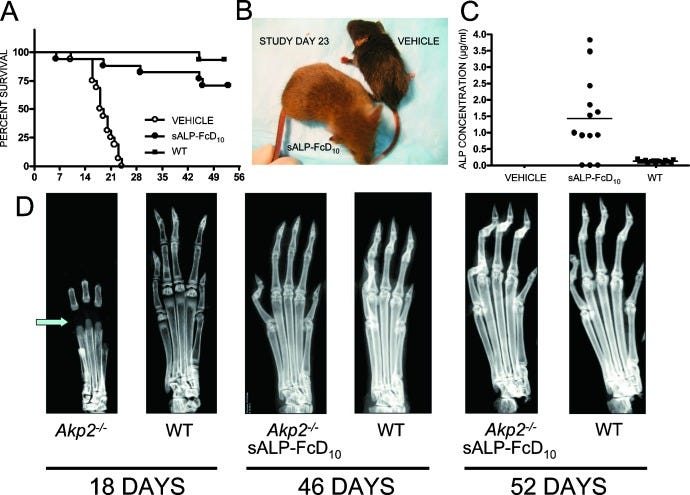
Shortly thereafter, under the clinical leadership of pediatric endocrinologists like Dr. Michael P. Whyte, Enobia Pharma launched a pivotal open-label Phase 1/2 clinical trial. The initial cohort consisted of infants under three years of age whose severe skeletal demineralization meant they faced a grim prognosis, often dying within months due to respiratory failure as fragile rib cages collapsed under the strain of breathing. The clinical results unfolded with a rare speed and clarity. Within weeks of starting daily subcutaneous injections of ENB-0040, infant x-rays showed remarkable evidence of new bone formation. Fractured and non-mineralized ribs began to solidify, enabling infants to be safely weaned off mechanical ventilators. Skeletal pain subsided, motor milestones were achieved, and the lethal, Vitamin B6-dependent seizures that had historically plagued infantile HPP were held at bay.
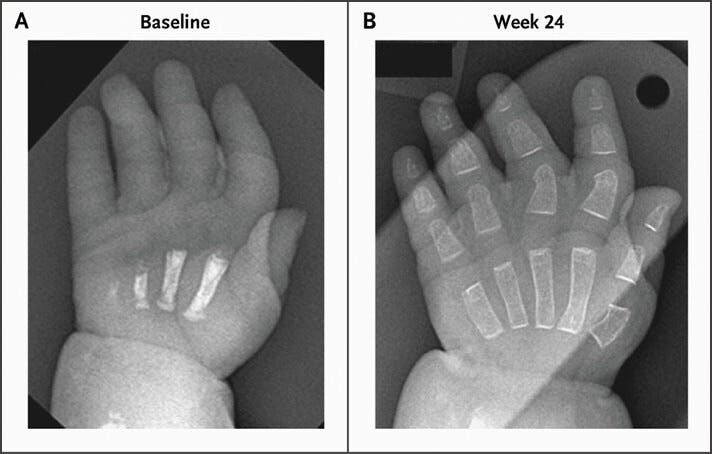
The dramatic early readouts immediately caught the attention of global biopharmaceutical companies specializing in rare diseases. In December 2011, Alexion Pharmaceuticals moved decisively to secure the asset, acquiring Enobia Pharma in an all-cash deal valued at $610 million upfront plus $470 million in regulatory and commercial milestones. Under Alexion’s stewardship, the drug was designated ALXN-1215 and pushed into expanded, multi-center international trials. Long-term follow-up data published in the New England Journal of Medicine in early 2012 formalized the drug’s transformative profile. Substantial mineral deposition and healing of rickets were evident on bone radiographs as early as week 24, continuing through week 48. Rebuilding of the skeletal chest wall allowed a majority of ventilator-dependent infants to be successfully weaned off mechanical ventilation and breathe unaided by week 48. All 9 patients who completed 1 year of treatment demonstrated motor improvements. Children who previously could only lie on their backs gained the ability to roll over, sit, or pull to stand, while the older children in the trial progressed to walking independently. These clinical improvements came alongside improvements in biomarkers (PPi, PLP).
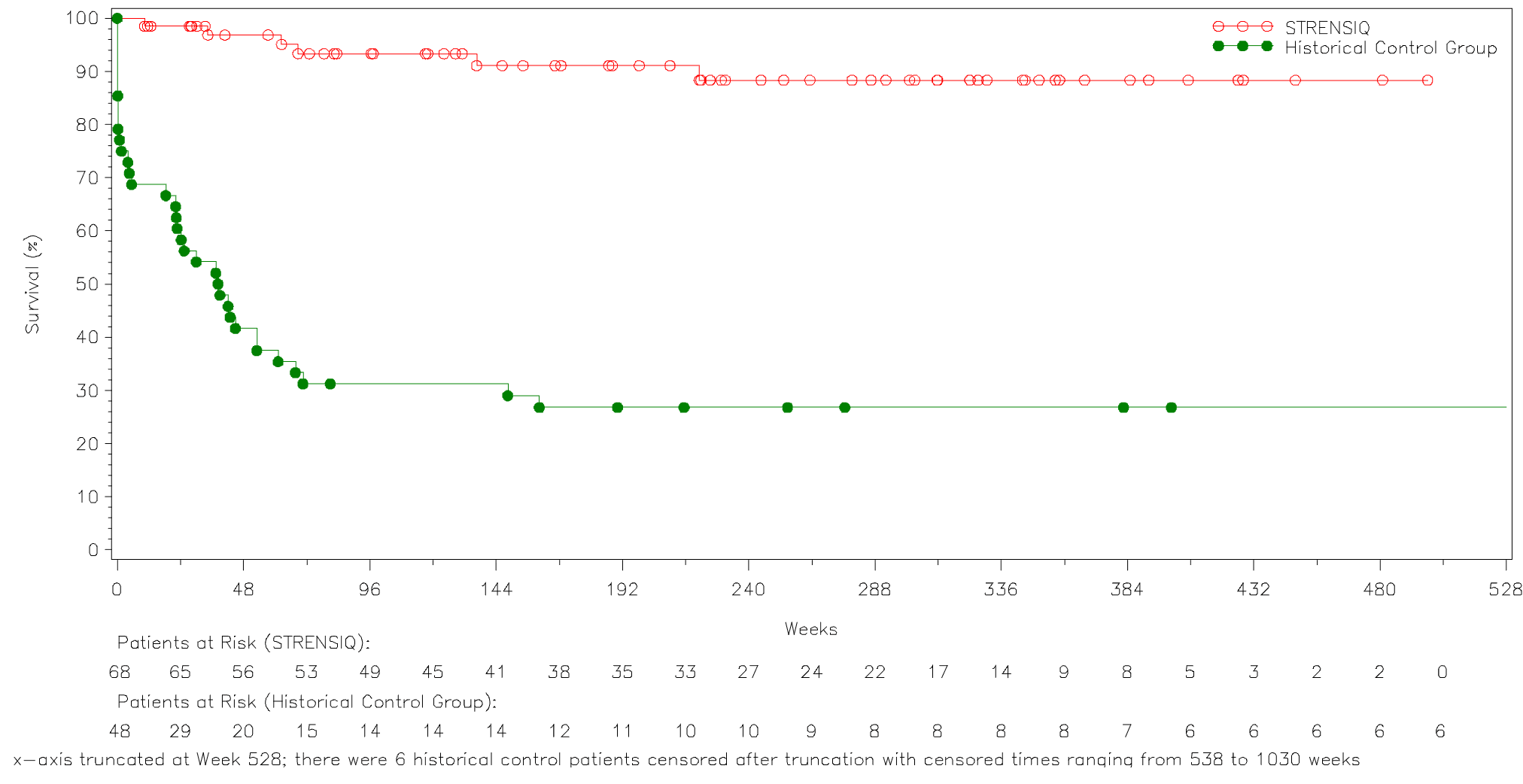
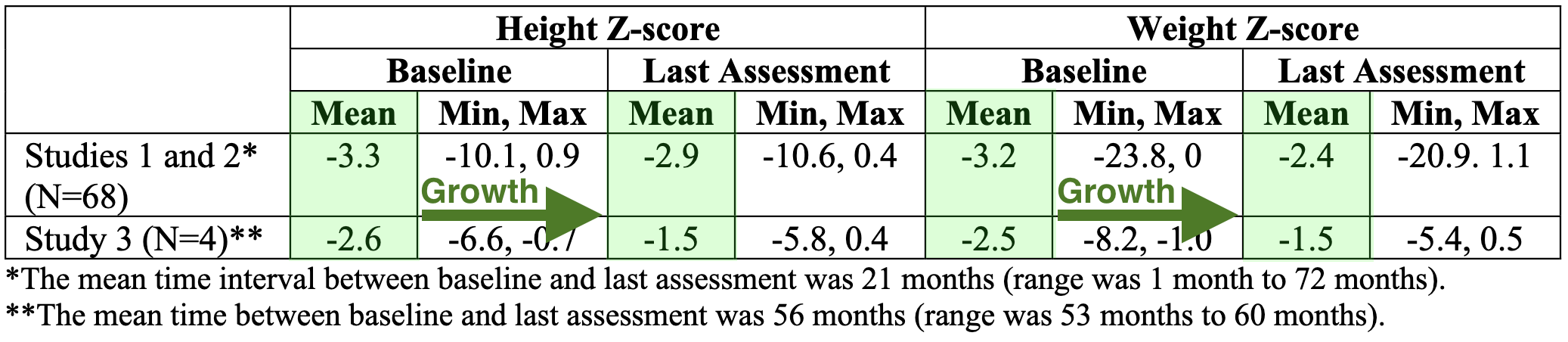
On October 23, 2015, the FDA officially approved Strensiq (asfotase alfa) as the first disease-modifying treatment for perinatal-, infantile-, and juvenile-onset hypophosphatasia (HPP). The approval marked a key milestone for metabolic genetics, replacing supportive care with a targeted enzyme replacement therapy (ERT). The approval was grounded in pooled data from four prospective, open-label clinical trials (and extension studies) involving 99 patients treated for up to 6.5 years, benchmarked against historical natural history control groups. In infants with perinatal and infantile HPP, Strensiq achieved a 97% overall survival rate at 1 year compared to 42% in historical control patients. Invasive ventilator-free survival reached 96% in treated infants versus 31% in controls. In juvenile-onset trial cohorts (ages 6 to 12), 100% of Strensiq-treated patients achieved substantial skeletal response and bone healing by month 54, compared to just 6% in the natural history cohort. Clinical readouts demonstrated significant improvements in linear growth (height and weight Z-scores), mobility, muscle strength, and systemic substrate clearance (PPi and PLP).
Enter Alesta
While Strensiq dramatically improved the natural history of HPP by turning a previously fatal infant disease into a manageable chronic condition, it wasn’t without its flaws:
High Injection Frequency: Strensiq requires lifetime subcutaneous injections administered 3 to 6 times per week. For pediatric patients and adult caregivers, this high-frequency regimen creates severe treatment fatigue and injection anxiety over time.
Injection Site Reactivity: Up to 90% of patients experience localized injection site reactions (ISRs), such as erythema, swelling, induration, and severe pain.
Hypersensitivity and Anaphylaxis: Life-threatening systemic hypersensitivity reactions and anaphylaxis can occur within minutes of injection or even after more than a year of ongoing therapy.
Anti-drug Antibodies: A majority of patients develop anti-asfotase alfa antibodies (89%), and 57% develop neutralizing antibodies (see Strensiq label, Section 6.2). In a subset of patients, neutralizing antibodies increase systemic clearance and reduce drug exposure. Post-marketing reports have highlighted cases where patients who achieved initial clinical improvement experienced a secondary loss of efficacy, with worsening radiographic and biochemical markers.
In contrast, an oral small molecule pill could theoritically avoid injections and immunogenicity risks of an injectable ERT. Alesta Therapeutics formed with exactly this thesis in mind. Founded in 2021 and headquartered in Leiden, the Netherlands, Alesta Therapeutics was created to build targeted oral alternatives for rare diseases where existing care is limited to invasive biologics or supportive management. The company was led by Chief Executive Officer Ilan Ganot, a former Wall Street investment banker and biotech entrepreneur known for founding Solid Biosciences. Ganot launched Alesta to build a pipeline of high-impact rare disease assets, alongside CSO Matthias Van Woensel and CMO Dr. Benit Maru.
In December 2024, Alesta entered into an exclusive global licensing agreement with 1cBio to develop and commercialize OC-1 (renamed ALE1). ALE1 is a potential first-in-class, orally available ENPP1 inhibitor designed to lower systemic inorganic pyrophosphate (PPi) levels at the source. Instead of degrading PPi like Strensiq, ALE1 aimed to block production of PPi though a complimentary mechanism. One month later in January 2025, Alesta formally emerged from stealth with a €65 million ($67 million) Series A financing round. The round was co-led by Frazier Life Sciences and Droia Ventures, with participation from the Novartis Venture Fund, RTW Investments, RV Invest, and Thuja Capital. With this capital, Alesta advanced ALE1 into a Phase 1/2a clinical trial in 2025 to evaluate safety, pharmacokinetics, and PPi biomarker reductions in HPP patients.
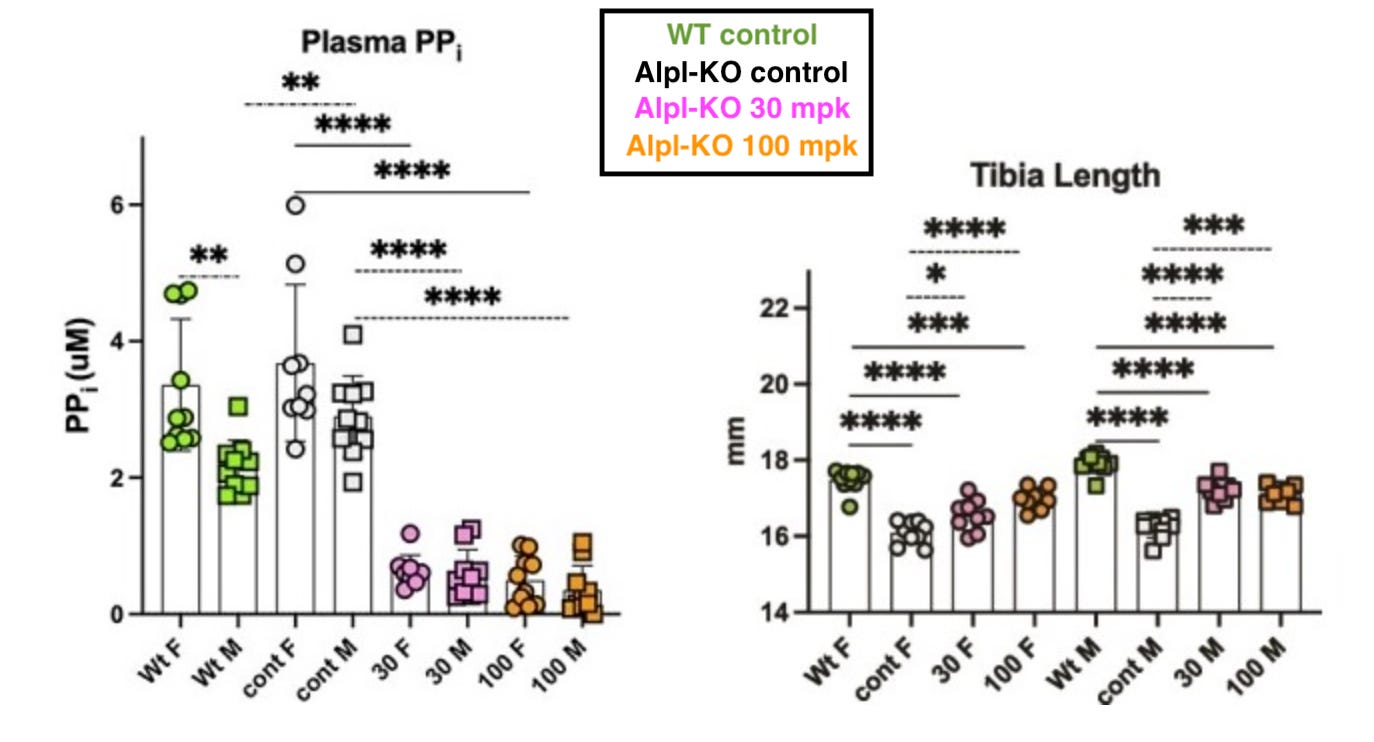
While Alesta has yet to release any data from its ongoing clinical trial, Rallybio has published preclinical data on its ENPP1 inhibitor REV102 in the Journal of Bone Mineral Research. Oral administration of REV102 in AlplPrxl/- transgenic mice with later-onset/adult HPP significantly decreased plasma PPi and showed radiographic improvement in various bone structures.
If validated in clinical trials and rigorously vetted by the FDA, ALE1’s small-molecule approach could once again shift how we manage HPP care. We’ll just have to see. One thing is for sure: BioMarin is willing to take a flier.
Love biotech? Check out Biotech Readout’s full content library, or navigate directly to a segment that interests you:
Frontiers in Medicine: Exploring the frontiers of our understanding and treatments for disease.
Medical History: Recovering forgotten relics in the history of medicine.
Acquisitions: Exploring the innovation behind acquired companies.
Weekly Readout: A digest of new clinical data from the past week.

To contact us, please send us an email at biotechreadout@gmail.com
Disclaimers
Investigational Status Disclaimer
The therapeutic candidates discussed in this newsletter are currently in clinical development and have not been approved for commercial sale by the U.S. Food and Drug Administration (FDA), the European Medicines Agency (EMA), or other global regulatory authorities. Their safety and efficacy have not been established. References to pipeline products and ongoing clinical trials involve significant risks and uncertainties. Statements regarding the potential safety, potency, or efficacy of investigational drugs reflect current hypotheses and are not a guarantee of future performance or regulatory clearance. The outcome of clinical trials is inherently unpredictable, and clinical results from earlier stages may not be predictive of results in later, larger-scale trials.
No Medical Advice Disclaimer
This newsletter is for informational and educational purposes only. The content is not intended to be a substitute for professional medical advice, diagnosis, or treatment. Always seek the advice of your physician or another qualified health provider with any questions you may have regarding a medical condition. Never disregard professional medical advice or delay in seeking it because of something you have read in this publication.
No Patient-Provider Relationship Disclaimer
The information provided in this newsletter is for educational and analytical purposes only. Receipt of this information, or any interaction with this content, does not create a physician-patient, pharmacist-patient, or any other professional-provider relationship between you and the authors or publishers. This newsletter should not be used as a substitute for a personal consultation with a qualified healthcare professional.
Forward-Looking Statements Disclaimer
This newsletter contains “forward-looking statements” regarding future events, including clinical trial timing, regulatory milestones, and projected market performance. These statements are based on current expectations and assumptions that are subject to significant risks and uncertainties. Actual results may differ materially from those expressed or implied. We undertake no obligation to update these statements as a result of new information or future developments.
Third-Party Links & Content Disclaimer
This newsletter contains links to third-party websites, including clinical trial registries and corporate presentations. Biotech Readout does not endorse, guarantee, or assume responsibility for the accuracy or reliability of any information offered by third-party providers.
Errors and Omissions Disclaimer
While we strive for technical accuracy, the information in this newsletter is provided on an “as is” basis with no guarantees of completeness, accuracy, or timeliness. Biotech Readout assumes no liability for any errors or omissions in the content of this publication.
Non-Endorsement Disclaimer
Any reference to specific commercial products, processes, or services by trade name, trademark, or manufacturer does not constitute or imply an endorsement or recommendation by the author. All trademarks are the property of their respective owners.
No Investment Advice Disclaimer
This newsletter is for informational purposes only and does not constitute financial, investment, or legal advice. The author is not a registered investment advisor. You should consult with a professional financial advisor before making any investment decisions. The biotechnology sector is highly volatile; past performance is not indicative of future results.
Conflict of Interest Disclaimer
The author of this newsletter maintains a position of independence. At the time of publication, the author holds no direct financial interest, equity, or options in any of the companies mentioned in this report. No compensation has been received from any third party to feature or analyze specific therapeutic candidates or corporate entities.