
Obesity drug treats alcoholism, a China-originated drug pursues $30 billion market, and more
Weekly Readout #16: Week ending July 31, 2026

Disclaimer: This newsletter is for educational and informational purposes only and does not constitute medical, investment, or financial advice, nor does it establish a provider-patient relationship. Content may include forward-looking statements and discussions of investigational therapeutic candidates that are not FDA/EMA approved; their safety and efficacy remain unestablished and clinical outcomes are unpredictable. While we strive for accuracy, all information is provided as is without guarantees. As of the date of publication, the author holds no direct equity positions in the specific companies mentioned in this issue nor receives third-party compensation for this coverage. Please find a complete version of our disclaimers at the bottom of this article and on our About page.

Press ⬇️ to go down to a section and ⬆️ to go back up to the Table of Contents
Table of Contents
This week, we discuss:
China Biotech
Financing Activity for China versus Rest of World + Caldera-Synlogic Merger ⬇️
Acquisitions ⬇️
Argenx to Acquire Forte Biosciences
Approvals
Clinical Trial Data
Altimmune - Pemvidutide (GLP-1 x glucagon dual agonist) / Phase 2 (alcohol use disorder) ⬇️
Atea Pharma - Bemnifosbuvir/Ruzasvir (polymerase inhibitor + NS5A inhibitor) / Phase 3 (Hepatitis C) ⬇️
Pfizer - Litfulo (JAK3 x TEC inhibitor) / Phase 3 (vitiligo) ⬇️
Biogen - BIIB091 (peripheral BTK inhibitor) / Phase 2 (RRMS) ⬇️
AstraZeneca - Sonesitatug vedotin (Claudin 18.2 ADC) / Phase 3 (claudin 18.2+ gastric cancer) ⬇️
China Biotech
Wondering why we discuss China Biotech every week? Tap here to learn more.
Financing Activity for China versus Rest of World + Caldera-Synlogic Merger
for the week ending July 31, 2026
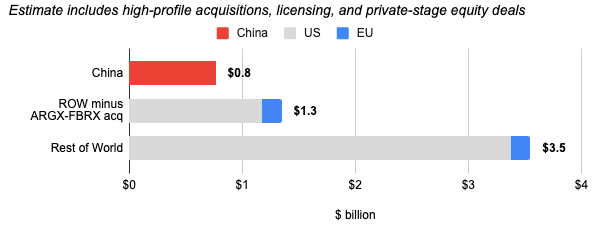
China-related financing shown above (red) includes the merger agreement of Caldera Therapeutics and Synlogic, Inc. announced on July 27, 2026. While Caldera is domiciled in the U.S., their lead asset CLD-423 (an investigational TL1A x IL-23p19 bsAb for ulcerative colitis and Crohn’s disease) originated in China, where it was discovered and engineered by Qyuns Therapeutics Co., Ltd. As such, we categorize the $278 million private placement that will accompany the merger as a financing mechanism for a China-originated asset.
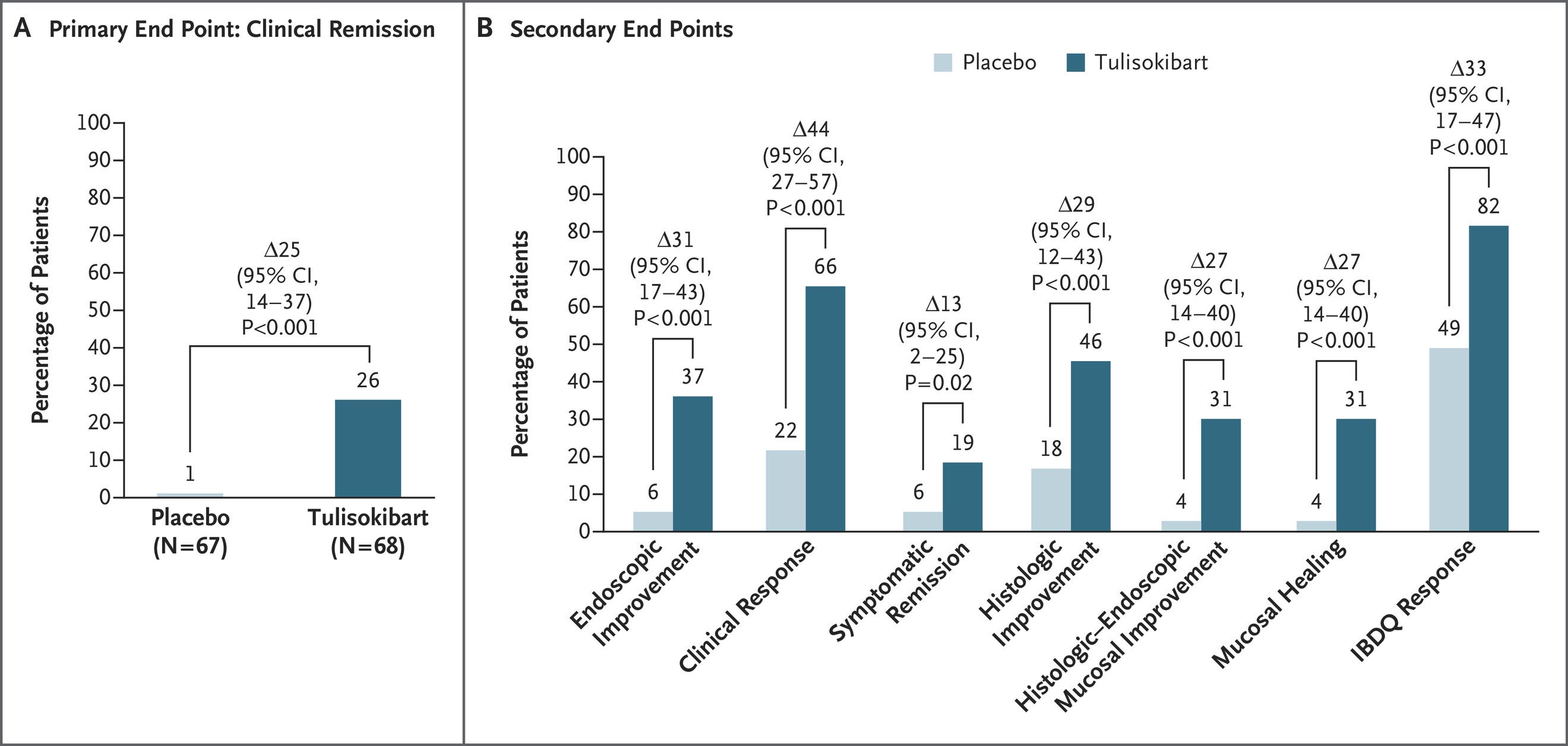
The asset itself appears to be a “bio-better” of approved anti-IL23 blockbusters, namely AbbVie’s Skyrizi and J&J’s Tremfya and Stelara which have an annualized revenue run rates of $17.9 billion, $8.2 billion, and $3 billion respectively, based on recent quarterly company filings. CLD-423 stacks a second mechanism, TL1A, which was most authoritatively validated by Merck / Prometheus’ Phase 2 ARTEMIS-UC for tulisokibart, which demonstrated statistically significant superiority over placebo in inducing clinical remission in patients with moderately to severely active ulcerative colitis (26% vs 1% in Cohort 1, see graph below). At least three other companies are developing a TL1A x IL23p19 mAb including Xencor, Earendil, and Bionyra. At least two companies have stacked a third mechanism, targeting integrin α4ß7, including Sanofi (an FDC licensed from Earendil) and Attovia.
Acquisitions

Approvals
Otsuka - Simtriyo (SNDRI) / Approved (ADHD)
On July 24, 2026, the U.S. FDA approved Simtriyo (centanafadine), a once-daily extended-release capsule developed by Otsuka Pharmaceutical, for the treatment of Attention-Deficit/Hyperactivity Disorder (ADHD) in adults and pediatric patients aged 6 years and older (weighing at least 20 kg). Simtriyo is the first FDA-approved norepinephrine, dopamine, serotonin reuptake inhibitor (NDSRI) for ADHD. Unlike traditional stimulants which focus heavily on rapid dopamine/norepinephrine release or selective dual inhibition, centanafadine simultaneously blocks the reuptake of all three monoamine neurotransmitters:
Norepinephrine transporter (NET): Drives focus and executive function.
Dopamine transporter (DAT): Enhances motivation, task engagement, and reward processing.
Serotonin transporter (SERT): Helps regulate mood, impulse control, and emotional dysregulation.
The approval was supported by data from four pivotal Phase 3 trials spanning adult, adolescent (13-17 years old), and pediatric populations (6-12 years old). Across all four trials, centanafadine established a consistent profile: high-dose regimens consistently delivered rapid-onset (Week 1) efficacy and robust executive function gains across age groups, while lower-dose cohorts in younger populations fell short of statistical significance, establishing a well-defined therapeutic window for the first-in-class triple reuptake inhibitor.
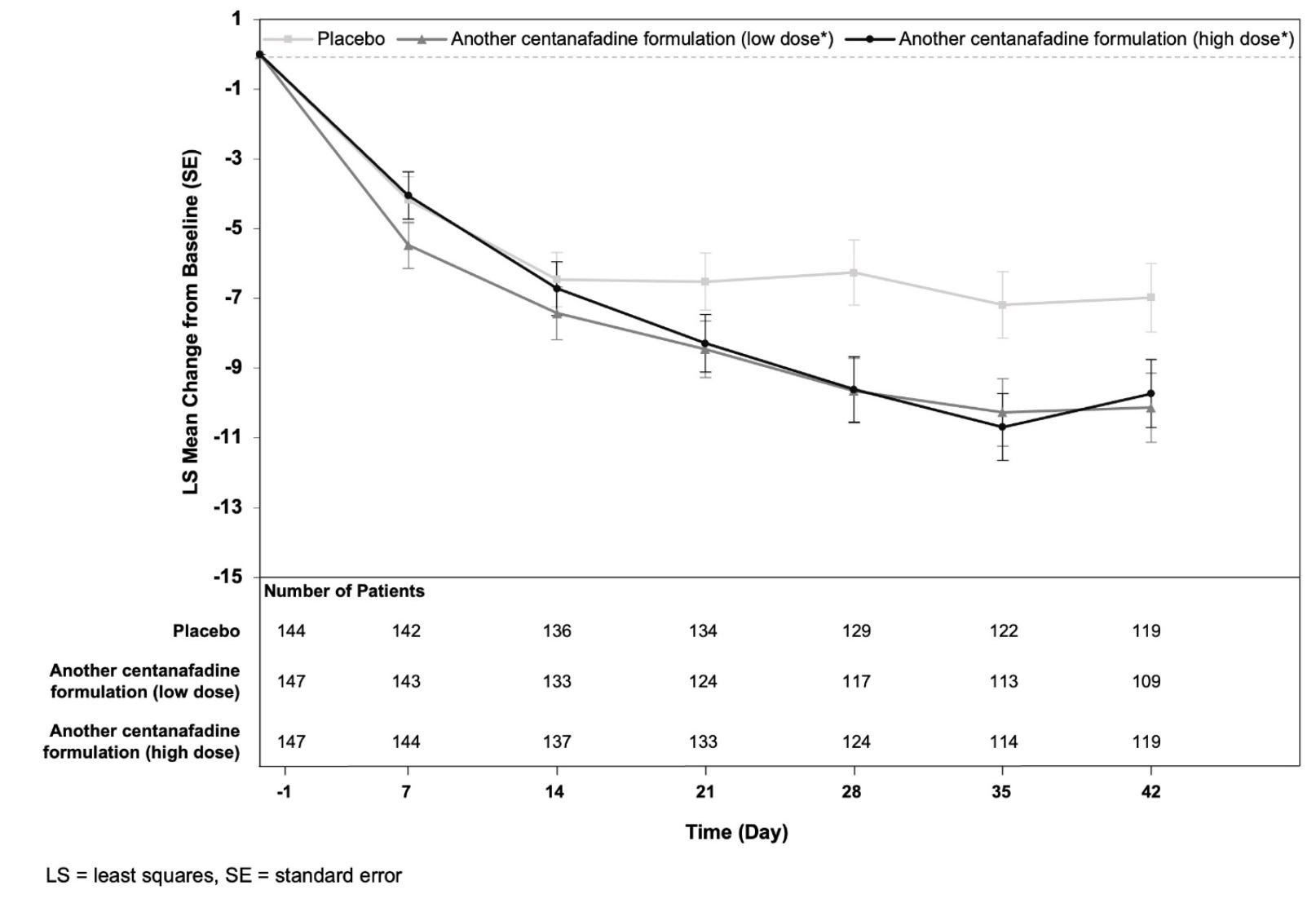
Since centanafadine engages central dopaminergic pathways, the FDA classified it as a central nervous system (CNS) stimulant, triggering mandatory controlled-substance scheduling by the U.S. Drug Enforcement Administration (DEA). Otsuka plans to launch Simtriyo later in 2026 following the DEA’s official scheduling decision.
Sources: Otsuka press release, Simtriyo label
Outlook - Lytenava (anti-VEGF mAb) / Approved (nAMD)
On July 24, 2026, the FDA approved Lytenava (bevacizumab-vikg), developed by Outlook Therapeutics, for the treatment of neovascular (wet) age-related macular degeneration (nAMD). Lytenava is the first and only FDA-approved, cGMP-manufactured ophthalmic formulation of bevacizumab specifically engineered and labeled for intravitreal injection into the eye. As an innovator biologic, Lytenava is expected to be eligible for up to 12 years of Reference Product Exclusivity in the U.S. under the Biologics Price Competition and Innovation Act (BPCIA). By blocking the interaction between VEGF-A and its receptors (VEGFR-1 and VEGFR-2) on endothelial cells, Lytenava inhibits abnormal choroidal neovascularization (blood vessel proliferation) and vascular leakage/permeability, suppressing the drivers of rapid vision loss in wet AMD.
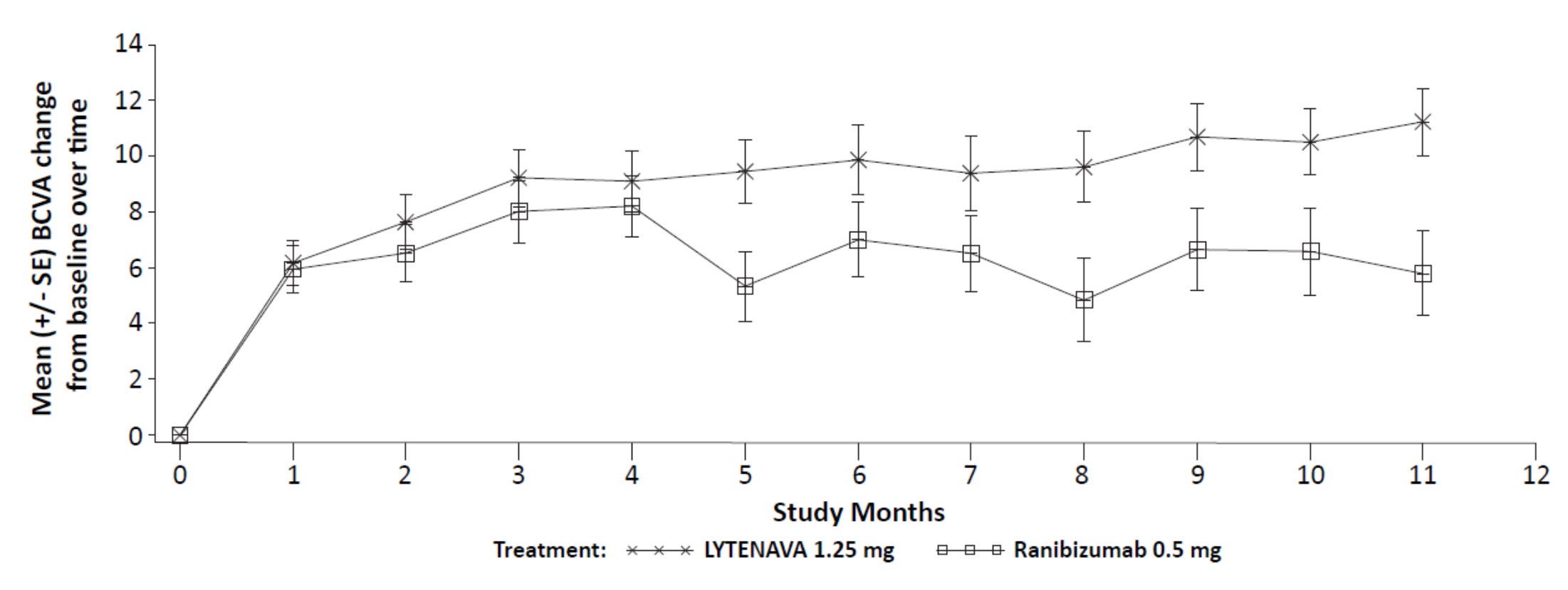
The clinical evaluation program for Lytenava (ONS-5010) encompassed multiple clinical trials evaluating efficacy, safety, and pharmacokinetics. The primary driver of efficacy was NORSE TWO, a randomized, active-controlled Phase 3 trial (n = 228) comparing monthly intravitreal injections of ONS-5010 against a labeled regimen of Lucentis (ranibizumab) over 12 months. At Month 11, 41.7% of patients in the Lytenava (ONS-5010) intent-to-treat arm gained 15 or more Best Corrected Visual Acuity (BCVA) letters (about 3 lines on an ETDRS eye chart), compared to 23.1% in the ranibizumab control group (p = 0.0052). Patients treated with Lytenava achieved a mean BCVA improvement of +11.2 letters from baseline versus +5.8 letters for the control group (p = 0.0043). NORSE ONE & THREE trials provided initial clinical proof-of-concept and broad safety evaluation across wet AMD and other retinal diseases. Across these studies, ONS-5010 demonstrated a safety profile consistent with historical intravitreal anti-VEGF agents, with low rates of ocular inflammation. NORSE EIGHT was a non-inferiority safety and efficacy study performed under a Special Protocol Assessment (SPA) to provide additional confirmatory exposure and safety data. In clinical studies, Lytenava was generally well-tolerated. Serious ocular adverse events were rare (<1%) and rates of intraocular inflammation were minimal. Transient increases in intraocular pressure (IOP) may occur post-injection. Consistent with the anti-VEGF class label, there is a low potential risk of arterial thromboembolic events (ATEs).
Sources: Outlook press release, Lytenava label
Clinical Trial Data
Altimmune - Pemvidutide (GLP-1 x glucagon dual agonist) / Phase 2 (alcohol use disorder)
On July 28, 2026, Altimmune announced positive topline results from its Phase 2 RECLAIM trial, establishing clinical proof-of-concept for its dual GLP-1/glucagon receptor agonist, pemvidutide, in treating moderate-to-severe alcohol use disorder (AUD). Technically, a team out of the Mental Health Center Copenhagen in Copenhagen, Denmark produced the first clinical evidence that incretin-based weight loss drugs might be effective in alcohol use disorder (we covered that here), but Altimmune’s results are the first of its kind sponsored by a biotech in an effort to bring a specific medicine to patients.
Alcohol use disorder (AUD) stems from chronic ethanol-driven neuroadaptations that disrupt GABA/glutamate balance and hypersensitize mesolimbic dopamine pathways, causing compulsive craving, altered reward processing, and severe withdrawal; current treatment combines behavioral therapies (such as CBT and 12-step support) with FDA-approved drugs like naltrexone, acamprosate, and disulfiram, alongside off-label options like gabapentin. Pemvidutide aims to address these neuropathological and systemic challenges through a balanced 1:1 GLP-1/glucagon dual receptor agonist mechanism. Its GLP-1 component modulates dopaminergic signaling within the ventral tegmental area and nucleus accumbens to dampen reward feedback and curb compulsive drinking, while its glucagon component boosts hepatic energy expenditure and lipid clearance to combat the liver metabolic dysfunction and fibrosis characteristic of alcohol-associated liver disease (ALD).
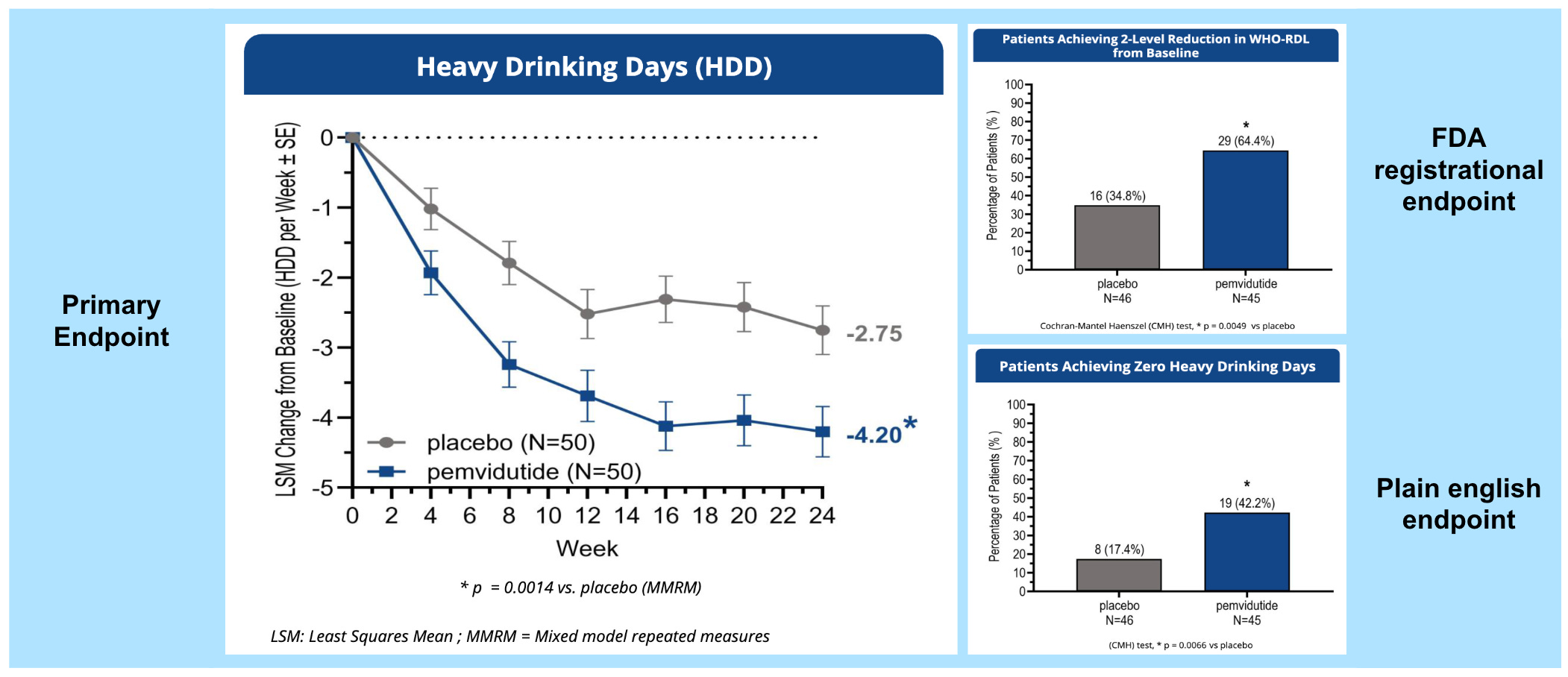
The Phase 2 RECLAIM trial enrolled 100 adults with moderate-to-severe Alcohol Use Disorder and a BMI ≥25 kg/m². Patients were randomized 1:1 to once-weekly subcutaneous pemvidutide 2.4 mg or placebo over a 24-week treatment period. Over 24 weeks of once-weekly subcutaneous treatment (2.4 mg), pemvidutide achieved its primary efficacy endpoint by driving a statistically significant and clinically meaningful reduction in heavy drinking days per week. Patients receiving pemvidutide experienced an average reduction of 4.20 heavy drinking days per week from baseline, compared to a reduction of 2.75 days per week in the placebo group. This translated to a net treatment benefit of -1.45 heavy drinking days per week (p = 0.0014). Beyond the primary outcome, pemvidutide delivered consistent efficacy across secondary metrics commonly evaluated in pivotal registration trials. Nearly two-thirds (64.4%) of pemvidutide-treated patients achieved a ≥2-level reduction in World Health Organization (WHO) Risk Drinking Levels, compared to 34.8% on placebo (p = 0.0049). During the final month of the evaluation period (Weeks 21–24), 42.2% of patients in the pemvidutide arm experienced zero heavy drinking days, compared to just 17.4% in the placebo arm (p = 0.0066). Pemvidutide-treated patients achieved significantly higher rates of overall abstinent days (38.9% vs. 20.5% for placebo, p = 0.0075). Importantly, objective laboratory testing showed a dramatic drop in serum phosphatidyl ethanol (PEth), a direct biomarker of alcohol consumption, with a mean change of -153.4 in the treatment arm versus +22.0 on placebo (p < 0.0001), confirming that self-reported reductions reflected genuine behavioral shifts. In addition to curbing compulsive alcohol intake, pemvidutide’s balanced dual-agonist mechanism delivered a placebo-adjusted body weight loss of 9.1% at 24 weeks (p < 0.0001) without reaching an efficacy plateau. This dual effect is particularly relevant in AUD, where alcohol consumption and metabolic dysregulation frequently compound liver injury.
By demonstrating that GLP-1/glucagon co-agonism effectively reduces compulsive alcohol intake, pemvidutide expands the potential clinical utility of incretin therapies into addiction medicine. If ultimately approved by the FDA, it could address an enormous unmet need for the more than 28 million Americans with AUD, of whom less than 2% currently receive pharmacotherapy due to the real-world limitations and adherence issues of existing options like naltrexone, acamprosate, and disulfiram. Furthermore, since AUD remains the primary driver of progressive liver disease, pemvidutide’s synergistic combination of addiction control, weight loss, and glucagon-mediated hepatic lipid clearance could offer a novel, highly targeted therapeutic approach for AUD patients suffering from co-occurring liver damage, such as Metabolic Dysfunction-Associated Steatohepatitis (MASH) and alcohol-associated liver disease (ALD).
Altimmune plans to schedule an End-of-Phase 2 (EOP2) meeting with the FDA to align on Phase 3 trial design, primary endpoints, and dosing regimens. Altimmune aims to leverage Fast Track status to advance pemvidutide into Phase 3 trials for AUD while simultaneously progressing its Phase 3 registration program in MASH. Notably, Eli Lilly is evaluating a GLP1/GIP dual agonist called brenipatide for alcohol use disorder (AUD) in two Phase 3 clinical trials with estimated completion dates in April 2028.
Sources: Altimmune press release, Altimmune slide deck
Atea Pharma - Bemnifosbuvir/Ruzasvir (polymerase inhibitor + NS5A inhibitor) / Phase 3 (Hepatitis C)
On July 28, 2026, Atea Pharmaceuticals reported positive topline data from its pivotal North American Phase 3 C-BEYOND trial evaluating the oral fixed-dose combination of bemnifosbuvir and ruzasvir in patients with chronic hepatitis C virus (HCV). The landmark study successfully met its primary endpoint, demonstrating non-inferiority to Gilead’s Epclusa while offering a shortened treatment duration for non-cirrhotic patients.
We have published extensive coverage on Hepatitis C (read Part 1 here, Part 2 coming tomorrow!).
Bemnifosbuvir/Ruzasvir (BEM/RZR) is an all-oral, once-daily, protease inhibitor-free fixed-dose combination (FDC) direct-acting antiviral (DAA) regimen. Bemnifosbuvir is an oral guanosine nucleotide analog prodrug that inhibits the HCV NS5B RNA-dependent RNA polymerase, stopping viral RNA synthesis via chain termination. In vitro, it demonstrates ~10-fold greater potency than sofosbuvir against HCV genotypes 1-5 and maintains full activity against common sofosbuvir-resistance mutations (S282T). Ruzasvir is a potent, pan-genotypic NS5A replication complex inhibitor that disrupts viral RNA replication and virion assembly at picomolar concentrations. Combining an NS5B nucleotide analog with an NS5A inhibitor provides a high barrier to resistance, broad pan-genotypic coverage, low risk of drug-drug interactions (DDIs), and no food-effect constraints.
The pivotal Phase 3 C-BEYOND trial evaluated the all-oral, once-daily fixed-dose combination of bemnifosbuvir and ruzasvir (BEM/RZR) across 905 treatment-naive chronic HCV patients with and without compensated cirrhosis at 120 North American sites, meeting its primary endpoint by demonstrating statistical non-inferiority to Gilead’s standard-of-care Epclusa (sofosbuvir/velpatasvir). In the primary modified intent-to-treat (mITT) population, BEM/RZR achieved a 93.9% sustained virologic response (SVR) rate at Week 24 compared to 94.8% for Epclusa. Crucially, in the non-cirrhotic cohort, which represents 80% to 90% of real-world HCV cases, an abbreviated 8-week course of BEM/RZR achieved a 93.5% cure rate, holding non-inferiority against a full 12-week Epclusa regimen (94.6%), while both arms yielded identical 95.4% SVR rates in the 12-week cirrhotic subgroup. BEM/RZR maintained a relatively clean safety profile with zero drug-related serious adverse events and zero treatment-related discontinuations. Beyond shaving a full month off treatment (8 weeks vs. 12 weeks of Epclusa) to boost real-world compliance and support “test-and-treat” public health initiatives, BEM/RZR’s protease inhibitor-free design delivers a potentially cleaner drug-drug interaction profile without food constraints, potentially streamlining co-administration alongside chronic cardiovascular, psychiatric, or metabolic medications.
Atea is currently conducting its second pivotal Phase 3 trial, C-FORWARD, in over 880 patients across 17 countries outside North America. Topline data are expected in early 2027. Pending the readout from C-FORWARD, Atea plans to assemble a comprehensive global regulatory filing package (NDA/MAA) for BEM/RZR as a short-course, pan-genotypic HCV therapy.
Sources: Atea press release
Descriptive data releases without numerical data
Pfizer - Litfulo (JAK3 x TEC inhibitor) / Phase 3 (vitiligo): On July 30, 2026, Pfizer reported positive topline data from two pivotal Phase 3 trials (TRANQUILLO and TRANQUILLO 2) evaluating its oral covalent JAK3/TEC kinase inhibitor, Litfulo (ritlecitinib), in patients with active and stable nonsegmental vitiligo (NSV). Across both studies, which together enrolled 2,174 patients across 271 global sites, once-daily Litfulo (50 mg and 100 mg) met its co-primary U.S. endpoints at Week 52, driving statistically significant and clinically meaningful improvements over placebo in facial repigmentation (≥75% improvement on F-VASI) and total body repigmentation (≥50% improvement on T-VASI). Litfulo maintained a safety profile consistent with its established label in severe alopecia areata, with no new safety signals identified and treatment-emergent adverse event rates comparable across groups. Positioned to potentially become the first approved oral systemic therapy for nonsegmental vitiligo, these landmark Phase 3 results support Pfizer’s planned global regulatory filings seeking to expand Litfulo beyond its current alopecia areata approval. Sources: Pfizer press release
Biogen - BIIB091 (peripheral BTK inhibitor) / Phase 2 (RRMS): Biogen reported positive topline proof-of-concept data for BIIB091, its oral, highly selective, reversible peripheral Bruton’s tyrosine kinase (BTK) inhibitor, in a Phase 2 study evaluating adults with relapsing-remitting multiple sclerosis (RRMS). The monotherapy cohort successfully met its key endpoints by demonstrating significant suppression of central nervous system inflammatory activity (as measured by active MRI lesion burden) alongside a favorable safety and tolerability profile. However, the planned combination cohort evaluating BIIB091 co-administered with Vumerity (diroximel fumarate) was halted due to strategic development decisions, focusing future progress entirely on BIIB091 as a standalone therapy. Sources: Biogen press release
AstraZeneca - Sonesitatug vedotin (Claudin 18.2 ADC) / Phase 3 (claudin 18.2+ gastric cancer): On July 27, 2026, AstraZeneca reported top-line results from the Phase 3 CLARITY-Gastric01 trial evaluating its Claudin 18.2-targeting antibody-drug conjugate (ADC), sonesitatug vedotin (Sone-Ve), versus investigator’s choice of therapy in 594 patients with CLDN18.2-positive advanced or metastatic gastric/gastroesophageal junction cancers. The study met one of its dual primary endpoints, demonstrating a statistically significant and clinically meaningful overall survival (OS) benefit in patients receiving third-line or later (3L+) therapy. It also hit a key secondary endpoint of OS in the broader second-line or later (2L+) setting. However, the readout was mixed as the other dual primary endpoint, progression-free survival (PFS) in the 2L+ population, showed a positive trend but failed to reach statistical significance. Despite missing the 2L+ PFS benchmark, the drug was well tolerated with no new safety signals, and the significant overall survival advantage across 2L+ and 3L+ settings positions sonesitatug vedotin as a potential first-in-class Claudin 18.2 ADC option for global regulatory filings. Sources: AstraZeneca press release
Love biotech? Check out Biotech Readout’s full content library, or navigate directly to a segment that interests you:
Frontiers in Medicine: Exploring the frontiers of our understanding and treatments for disease.
Medical History: Recovering forgotten relics in the history of medicine.
Acquisitions: Exploring the innovation behind acquired companies.
Weekly Readout: A digest of new clinical data from the past week.

To contact us, please send us an email at biotechreadout@gmail.com
Disclaimers
Investigational Status Disclaimer
The therapeutic candidates discussed in this newsletter are currently in clinical development and have not been approved for commercial sale by the U.S. Food and Drug Administration (FDA), the European Medicines Agency (EMA), or other global regulatory authorities. Their safety and efficacy have not been established. References to pipeline products and ongoing clinical trials involve significant risks and uncertainties. Statements regarding the potential safety, potency, or efficacy of investigational drugs reflect current hypotheses and are not a guarantee of future performance or regulatory clearance. The outcome of clinical trials is inherently unpredictable, and clinical results from earlier stages may not be predictive of results in later, larger-scale trials.
No Medical Advice Disclaimer
This newsletter is for informational and educational purposes only. The content is not intended to be a substitute for professional medical advice, diagnosis, or treatment. Always seek the advice of your physician or another qualified health provider with any questions you may have regarding a medical condition. Never disregard professional medical advice or delay in seeking it because of something you have read in this publication.
No Patient-Provider Relationship Disclaimer
The information provided in this newsletter is for educational and analytical purposes only. Receipt of this information, or any interaction with this content, does not create a physician-patient, pharmacist-patient, or any other professional-provider relationship between you and the authors or publishers. This newsletter should not be used as a substitute for a personal consultation with a qualified healthcare professional.
Forward-Looking Statements Disclaimer
This newsletter contains “forward-looking statements” regarding future events, including clinical trial timing, regulatory milestones, and projected market performance. These statements are based on current expectations and assumptions that are subject to significant risks and uncertainties. Actual results may differ materially from those expressed or implied. We undertake no obligation to update these statements as a result of new information or future developments.
Third-Party Links & Content Disclaimer
This newsletter contains links to third-party websites, including clinical trial registries and corporate presentations. Biotech Readout does not endorse, guarantee, or assume responsibility for the accuracy or reliability of any information offered by third-party providers.
Errors and Omissions Disclaimer
While we strive for technical accuracy, the information in this newsletter is provided on an “as is” basis with no guarantees of completeness, accuracy, or timeliness. Biotech Readout assumes no liability for any errors or omissions in the content of this publication.
Non-Endorsement Disclaimer
Any reference to specific commercial products, processes, or services by trade name, trademark, or manufacturer does not constitute or imply an endorsement or recommendation by the author. All trademarks are the property of their respective owners.
No Investment Advice Disclaimer
This newsletter is for informational purposes only and does not constitute financial, investment, or legal advice. The author is not a registered investment advisor. You should consult with a professional financial advisor before making any investment decisions. The biotechnology sector is highly volatile; past performance is not indicative of future results.
Conflict of Interest Disclaimer
The author of this newsletter maintains a position of independence. At the time of publication, the author holds no direct financial interest, equity, or options in any of the companies mentioned in this report. No compensation has been received from any third party to feature or analyze specific therapeutic candidates or corporate entities.