
Surprise approvals of Replimune's RP1 & Moderna's flu vaccine, orexin unlocks narcolepsy, and more
Weekly Readout #17: Week ending August 7, 2026

Disclaimer: This newsletter is for educational and informational purposes only and does not constitute medical, investment, or financial advice, nor does it establish a provider-patient relationship. Content may include forward-looking statements and discussions of investigational therapeutic candidates that are not FDA/EMA approved; their safety and efficacy remain unestablished and clinical outcomes are unpredictable. While we strive for accuracy, all information is provided as is without guarantees. As of the date of publication, the author holds no direct equity positions in the specific companies mentioned in this issue nor receives third-party compensation for this coverage. Please find a complete version of our disclaimers at the bottom of this article and on our About page.

Press ⬇️ to go down to a section and ⬆️ to go back up to the Table of Contents
Table of Contents
This week, we discuss:
China Biotech
Approvals
Clinical Trial Data
China Biotech
Wondering why we discuss China Biotech every week? Tap here to learn more.
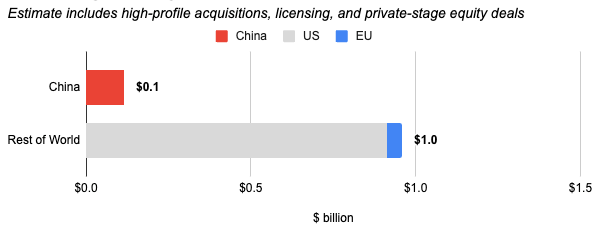
Financing Activity for China versus Rest of World
for the week ending August 7, 2026
FDA Lays Out Accelerated IND Plan as Competition with China Heats Up
On August 6, 2026, Endpoints News reported an exclusive interview with Karim Mikhail, acting director of the Center for Biologics Evaluation and Research (CBER) at the FDA. Mikhail emphasized that the FDA wants to act as a steward of new science rather than an impediment (see our discussion the “Cautious Regulator” problem and how it acts as the bottleneck for biotech innovation here).
True to their cause, the FDA is launching a pilot program designed to accelerate the timeline for bringing new drugs into Phase 1 clinical trials. The initiative aims to enhance US competitiveness against faster regulatory frameworks abroad (particularly China) by streamlining the trial startup process and reducing internal bureaucratic delays. Applications open in September 2026, with reviews and selections scheduled for 4Q 2026. The pilot is set to officially launch next year. The agency plans to select 8 to 10 programs. To manage reviewer workloads, no single review team will oversee more than one pilot program. Participating drug sponsors must pair with a “qualified research institution”, such as academic research centers or private contract research organizations (CROs). These partnerships are intended to assist smaller biotechs with regulatory strategy and expedite Institutional Review Board (IRB) activations. Private CROs are specifically highlighted for their ability to move faster than often-bureaucratic academic medical centers.
Development of the pilot began in July 2025 and included consultations with Australian human research ethics committees, the FDA’s China office, US academic medical centers, and dedicated cancer centers. Despite current leadership operating in acting roles, the pilot’s implementation is being managed by a working group of career FDA officials across divisions to ensure continuity.
Sources: Endpoints article
Approvals
Replimune - Tudriqev (HSV-1 expressing GALV-GP-R- & GM-CSF) / Approved (melanoma)
On August 6, 2026, the FDA granted accelerated approval to Tudriqev (vusolimogene oderparepvec-wtpg; formerly RP1), an engineered oncolytic herpes simplex virus type 1 (HSV-1) expressing GALV-GP-R- and human GM-CSF, in combination with Opdivo (nivolumab) for the treatment of adult patients with unresectable or metastatic cutaneous melanoma who progressed on or after a prior anti-PD-1 blocking antibody regimen.
The approval caps a tumultuous review history that included two Complete Response Letters (CRLs) issued in July 2025 and April 2026. FDA reviewers originally expressed strong opposition to the BLA, arguing that the single-arm trial design made it difficult to isolate RP1’s individual contribution to efficacy within the combination, while also pointing to patient population heterogeneity. However, internal agency restructuring (including a new review team and broader leadership shifts) ultimately facilitated the accelerated pathway. The story changed when on July 30, 2026, the FDA’s Cellular, Tissue, and Gene Therapies Advisory Committee (CTGTAC) voted 10-3 in favor of Tudriqev‘s efficacy and clinical risk-benefit profile.
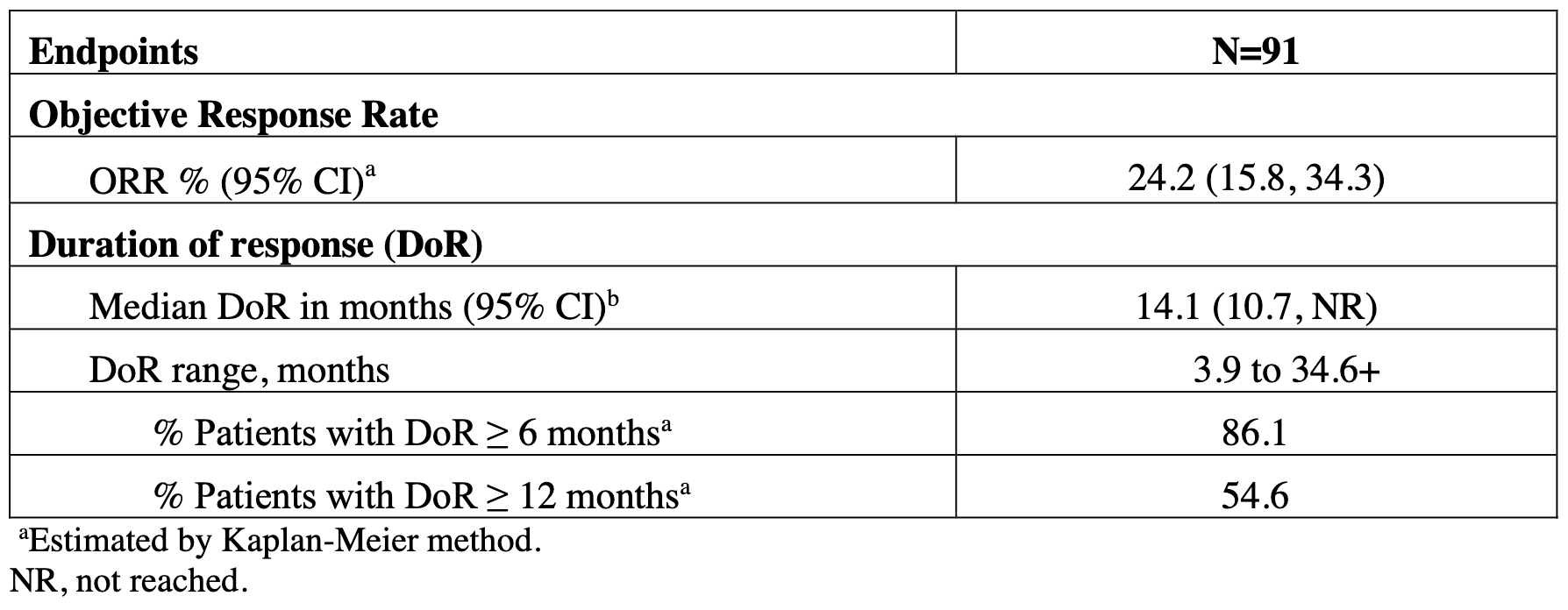
The approval was supported by efficacy and safety results from the primary anti–PD-1 refractory cohort of the IGNYTE trial (NCT03767348), where patients received intralesional RP1 injections combined with systemic nivolumab. Among the 140 enrolled patients, 91 with at least one non-injected lesion were evaluable for response. Treatment resulted in an Objective Response Rate (ORR) of 32.9% to 34.0% by independent central review using modified/unmodified RECIST v1.1. The Complete Response (CR) rate was 15%, reflecting deep and durable responses. Median Duration of Response (DOR) was 24.8 months, demonstrating sustained anti-tumor responses following anti-PD-1 progression. A key issue raised by reviewers was whether efficacy was limited to injected lesions. Data showed a ≥30% tumor reduction in 93.6% (73/78) of injected lesions and 79.0% (94/119) of non-injected lesions. Lesion-level responses were confirmed in deep visceral sites (e.g., liver and lung metastases), supporting systemic immune activation driven by localized viral lysis, GM-CSF expression, and systemic PD-1 blockade.
Sources: Replimune press release, Replimune slide deck, new Tudriqev label
Moderna - mFLUSIVA (antigen mRNA) / Approved (influenza)
On August 5, 2026, the FDA approved mFLUSIVA (mRNA-1010), Moderna’s messenger RNA-based seasonal influenza vaccine encoding hemagglutinin glycoproteins for influenza A and B strains. This milestone marks the first mRNA-based flu vaccine to earn regulatory approval in the United States. Standard approval was granted for adults aged 50 to 64 years, while accelerated approval was granted for adults aged 65 and older. Continued approval in this senior population is contingent upon a post-marketing confirmatory trial directly comparing mFLUSIVA against an enhanced/high-dose flu vaccine.
The approval follows a turbulent regulatory path in early 2026 when CBER issued a Refusal-to-File (RTF) letter under recently ousted CBER director Vinay Prasad. Reviewers and division leads initially expressed reservations regarding trial design and comparator selection. Following high-level discussions in mid-February 2026, Moderna submitted a modified BLA proposing this split age-stratified strategy (full approval for 50–64; accelerated approval for 65+), which the FDA accepted. In June 2026, the Vaccines and Related Biological Products Advisory Committee (VRBPAC) voted unanimously that the clinical benefit-risk profile supported approval for adults 50 and older.
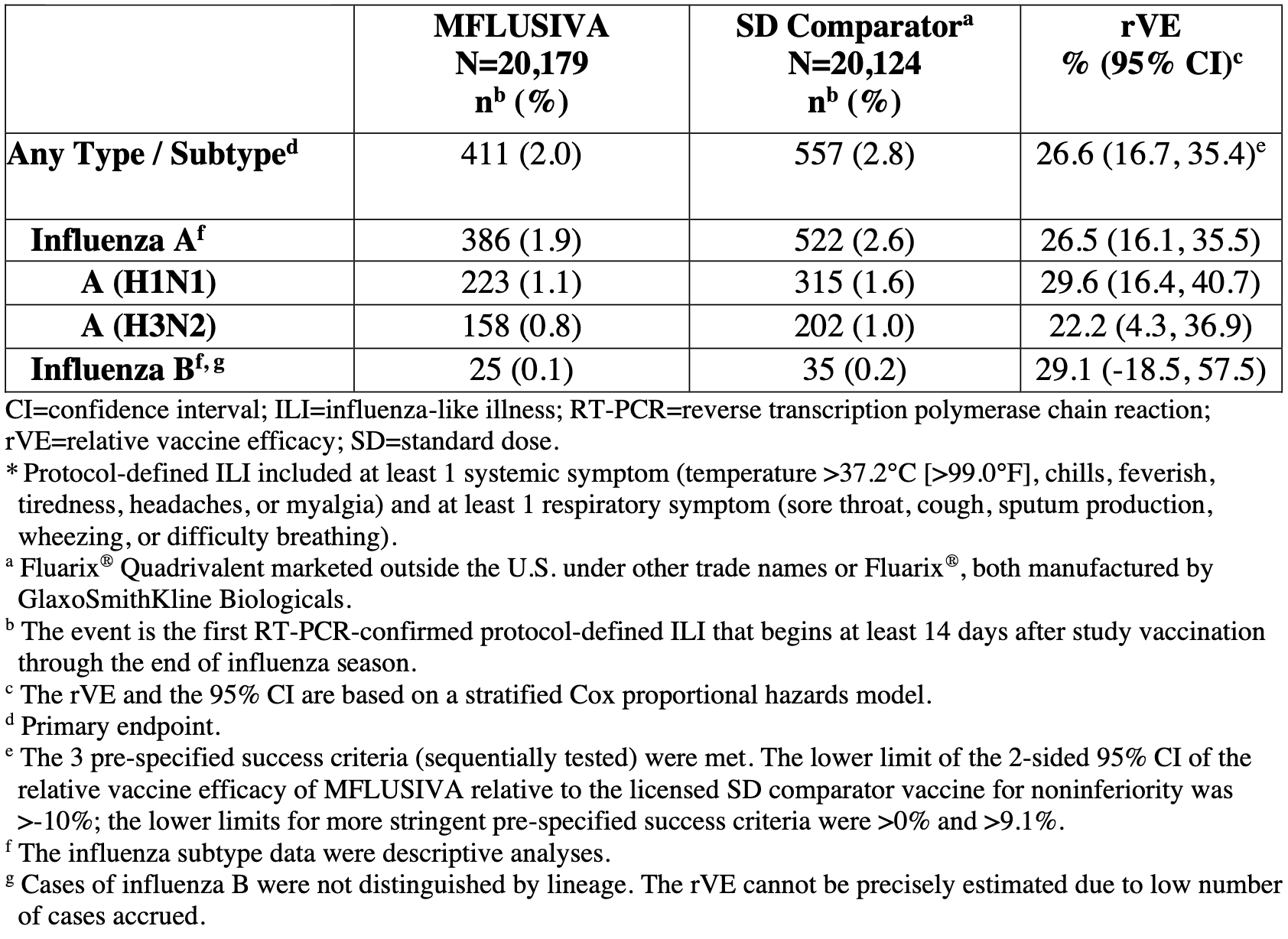
Approval was primarily supported by findings from the pivotal Phase 3 trial (FLUENT / NCT06602024), a randomized, double-blind, active-controlled, case-driven trial enrolling 40,805 adults aged 50 and older across 11 countries. mFLUSIVA demonstrated a statistically superior 26.6% relative vaccine efficacy (95% CI: 16.7%, 35.4%) compared to a standard-dose, active-comparator influenza vaccine. RT-PCR–confirmed protocol-defined influenza-like illness occurred in 2.0% of mFLUSIVA recipients compared to 2.8% of standard-dose comparator recipients. Among participants aged 65 and older in the trial, relative vaccine efficacy was 27.4% (95% CI: 12.1%, 40.0%) against standard-dose comparator. Accelerated approval for the ≥65 cohort was anchored by a dedicated active-controlled immunogenicity trial (NCT05827978, n=2,992) demonstrating non-inferior hemagglutination inhibition (HAI) antibody titers relative to licensed high-dose/adjuvanted influenza vaccines. As seen across the mRNA platform, local and systemic solicited adverse reactions (e.g., transient injection-site pain, fatigue, myalgia, and headache) occurred with higher frequency in the mFLUSIVA arm compared to traditional egg-based standard-dose comparators. Reactions were overwhelmingly mild-to-moderate and self-resolving. No new or unexpected platform-specific safety signals were identified.
Sources: Moderna press release, new mFLUSIVA label
Takeda - Orzeyful (selective OX2 agonist) / Approved (NT1)
On August 5, 2026, the FDA granted approval to Orzeyful (oveporexton, formerly TAK-861), Takeda’s oral, highly selective orexin receptor 2 (OX2R) agonist for the treatment of narcolepsy type 1 (NT1) in adults. Orzeyful represents a breakthrough in sleep medicine: it is the first and only approved therapy that directly targets the underlying pathophysiology of NT1 by restoring lost orexin/hypocretin peptide signaling. Rather than acting purely as a wake-promoting agent or symptom-specific management option, it treats the entire spectrum of NT1 symptoms holistically. Orzeyful received regulatory approval in China (NMPA) two weeks prior. The FDA approval is subject to DEA scheduling under the Controlled Substances Act (expected within 90 days) prior to commercial availability. Takeda previously discontinued its early-generation agonist (TAK-994) due to hepatotoxicity signals. Oveporexton was engineered with optimized chemical selectivity and safety, showing zero hepatotoxicity issues in Phase 2/3 development.
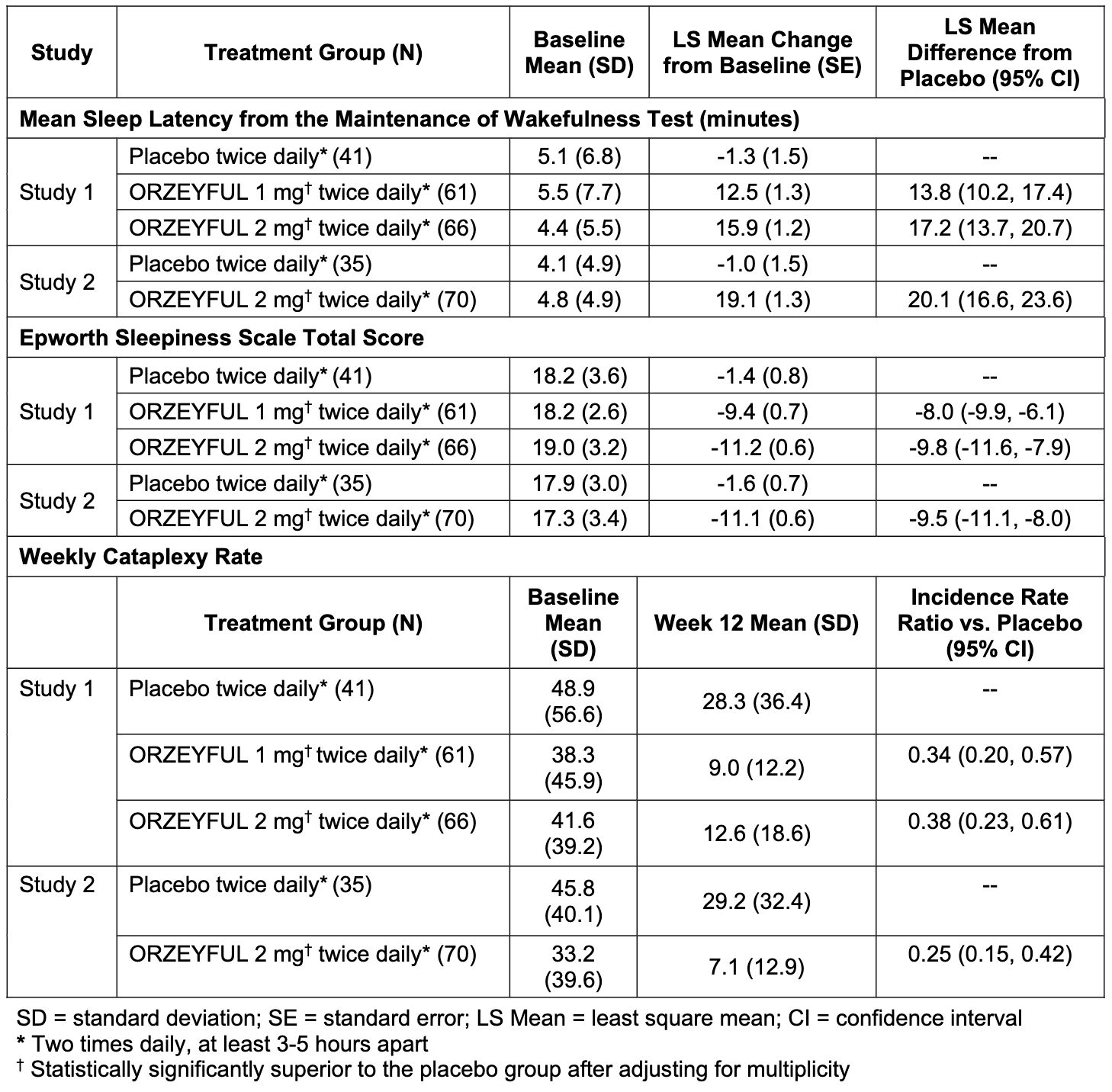
The FDA decision was anchored by pivotal data from two Phase 3 trials, FirstLight (TAK-861-3001) and RadiantLight (TAK-861-3002). Treated patients showed statistically significant, near-complete normalization of daytime wakefulness. Average sleep latency on Maintenance of Wakefulness Test (MWT) increased by +17.2 to +20.1 minutes from baseline at optimal dosing (2 mg BID) compared to placebo (near-baseline). Subjective daytime sleepiness demonstrated dramatic, rapid reductions. Mean Epworth Sleepiness Scale (ESS) score reductions reached -11.1 to -11.2 points at 8-12 weeks compared to -1.4 to -1.6 points for placebo (p < 0.001), dropping total scores into the non-pathological/normal range for many participants.
Sources: Takeda press release, new Orzeyful label
Novartis - Pluvicto (PSMA radioligand) / Approved (PSMA+ mHSPC)
On July 31, 2026, the FDA granted expanded approval to Pluvicto (lutetium Lu 177 vipivotide tetraxetan), Novartis’ targeted radioligand therapy (RLT), in combination with an androgen receptor pathway inhibitor (ARPI) and androgen deprivation therapy (ADT) for patients with PSMA-positive metastatic hormone-sensitive prostate cancer (PSMA+ mHSPC). This regulatory milestone moves Pluvicto into the frontline metastatic setting. According to Novartis, treating mHSPC earlier in the disease cascade nearly doubles the eligible patient population compared to its previous indications in post-chemotherapy and pre-chemotherapy metastatic castration-resistant prostate cancer (mCRPC).
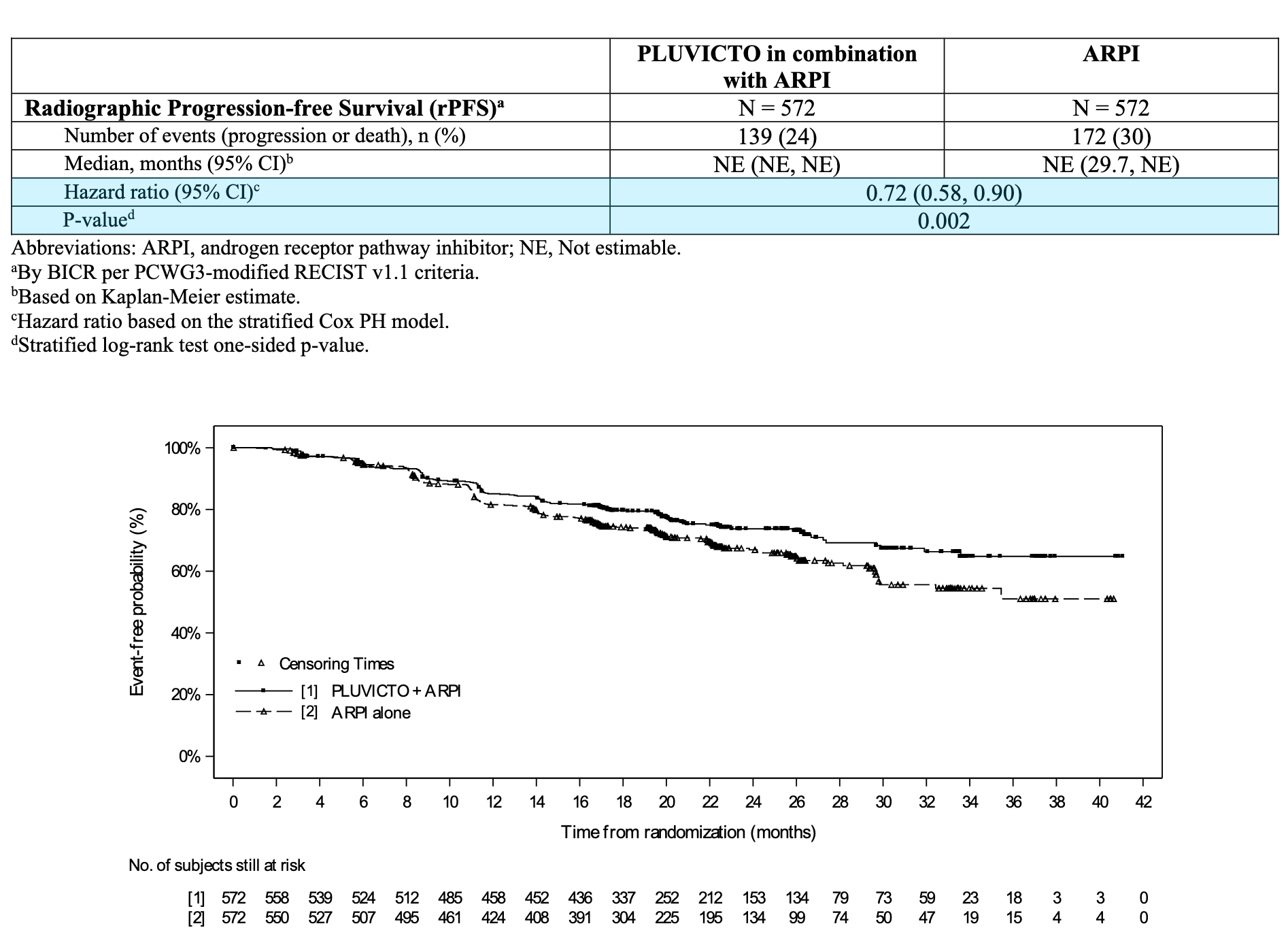
The FDA decision was supported by efficacy and safety outcomes from the pivotal Phase 3 PSMAddition trial (NCT04720157), which randomized 1,144 patients with PSMA-positive mHSPC to receive either Pluvicto (7.4 GBq / 200 mCi every 6 weeks for up to 6 cycles) plus standard of care (SoC; ARPI + ADT) or SoC alone. Pluvicto plus SoC demonstrated a statistically significant 28% reduction in the risk of radiographic progression or death compared to SoC alone (HR=0.72, P=0.002).
Sources: Novartis press release, updated Pluvicto label
Clinical Trial Data
Otsuka - Voyxact (anti-APRIL mAb) / Phase 3 (IgAN)
On August 3, 2026, Otsuka presented results from the 2-year Phase 3 VISIONARY trial readout for Voyxact (sibeprenlimab-szsi) presented at GlomCon Hawaii 2026.
IgA nephropathy (IgAN) is an autoimmune kidney disease characterized by a “four-hit” pathogenesis where the overproduction of galactose-deficient IgA1 (Gd-IgA1) triggers autoantibody production and circulating immune complex deposition in the renal mesangium, driving complement activation, localized inflammation, and progressive glomerular fibrosis. While standard of care relies on optimized supportive care with maximum tolerated RAS inhibitors, dual endothelin/angiotensin receptor antagonists, blood pressure management, and targeted immunosuppressants or corticosteroids for high-risk patients, novel therapies target upstream drivers like A-PRoliferation-Inducing-Ligand (APRIL). Selectively neutralizing this key TNF-family cytokine with Voyxact, a monthly subcutaneous anti-APRIL monoclonal antibody, halts APRIL-driven B-cell and plasma cell overproduction of pathogenic Gd-IgA1 to prevent immune complex deposition and nephron loss without broadly depleting total B-cell pools.
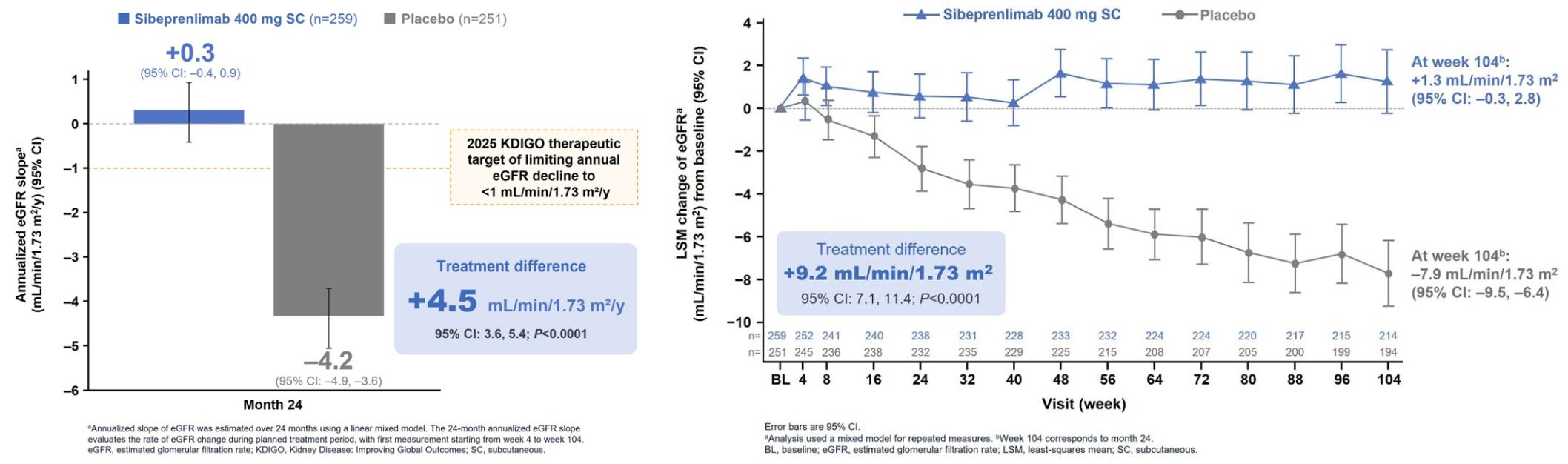
In the Phase 3 VISIONARY trial evaluating adult patients with primary IgA nephropathy (IgAN) at risk of disease progression, Voyxact demonstrated compelling 2-year efficacy by becoming the first and only IgAN therapy to achieve complete stabilization of kidney function, yielding an annualized eGFR slope of +0.3 mL/min/1.73m2/year compared to -4.2 mL/min/1.73m2/year for placebo (see graphs below). This +0.3 slope surpasses the KDIGO therapeutic benchmark for aligning renal function loss with healthy age-related physiological decline (<1.0 mL/min/1.73m2/year). Alongside robust efficacy, Voyxact maintained a favorable and comparable safety profile to placebo (90.7% vs. 90.0% overall adverse events), with equivalent overall infection rates (51.4% vs. 51.0%), fewer serious infections (1.9% vs. 4.0%), and an anti-drug antibody incidence (~34% overall, ~8% neutralizing) that did not impact long-term eGFR trajectory preservation.
Otsuka is completing its rolling supplemental Biologics License Application (sBLA) to convert Voyxact’s November 2025 accelerated approval into full FDA approval, while expanding marketing authorization filings across the EMA, PMDA (Japan), and other international regions.
Sources: Otsuka press release
Rhythm - RM-718 (MC4R agonist) / Phase 2 (HO)
On August 4, 2026, Rhythm Pharmaceuticals reported positive Phase 2 clinical trial data evaluating RM-718, its investigational once-weekly subcutaneous MC4R agonist, in patients with acquired hypothalamic obesity (HO).
Hypothalamic obesity (HO) is a severe neuroendocrine disorder caused by structural damage to the hypothalamus (frequently resulting from craniopharyngiomas, brain tumors, or cranial procedures) that disrupts leptin-melanocortin signaling to induce hyperinsulinemia, decreased energy expenditure, and relentless hyperphagia driving refractory weight gain. While traditional supportive care, lifestyle interventions, and hormone replacements offer limited long-term efficacy against damaged central satiety pathways, novel targeted options like RM-718 directly address this pathology. As an investigational once-weekly subcutaneous melanocortin-4 receptor (MC4R) agonist engineered to be MC1R-sparing, RM-718 activates downstream satiety signaling to drive therapeutic weight loss while minimizing off-target MC1R activation, thereby avoiding the generalized skin hyperpigmentation seen with earlier-generation MC4R agonists like setmelanotide.
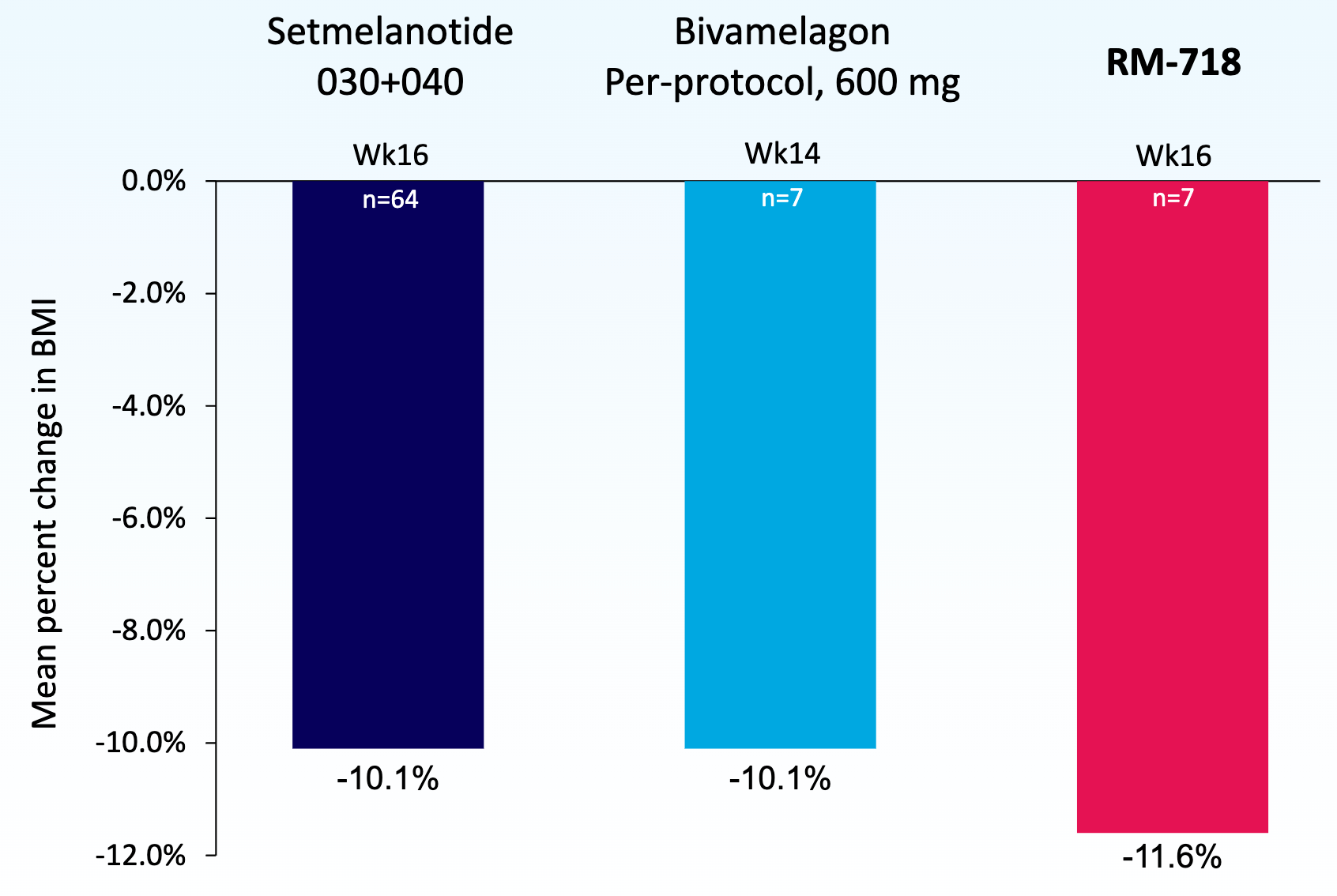
In an ongoing open-label, single-arm Phase 2 trial of 11 adult and pediatric patients with acquired hypothalamic obesity (HO), RM-718 demonstrated compelling 16-week efficacy with a -11.6% mean BMI reduction in 7 evaluable patients, numerically exceeding historical benchmarks set by setmelanotide (-10.1% at 16 weeks) and bivamelagon (-10.1% at 14 weeks), with long-term extensions reaching -20% to -25% BMI reduction. Crucially, the trial validated its MC1R-sparing strategy by observing zero cases of generalized skin hyperpigmentation, limiting hyperpigmentation strictly to two localized injection-site events, thereby decoupling MC4R-mediated weight loss from systemic skin darkening. While mild-to-moderate injection-site reactions (81.8%), nausea (54.5%), and vomiting (27.3%) were the most common adverse events (leading to 2 discontinuations).
Rhythm is continuing to follow patients in the Phase 2 extension phase to monitor sustained weight loss and longer-term safety profiles. The company is planning for alignment with regulatory agencies (FDA/EMA) for a registration-enabling Phase 3 trial program in acquired hypothalamic obesity and potentially broader neuroendocrine/MC4R pathway disorders.
Sources: Rhythm press release, Rhythm slide deck
Love biotech? Check out Biotech Readout’s full content library, or navigate directly to a segment that interests you:
Frontiers in Medicine: Exploring the frontiers of our understanding and treatments for disease.
Medical History: Recovering forgotten relics in the history of medicine.
Acquisitions: Exploring the innovation behind acquired companies.
Weekly Readout: A digest of new clinical data from the past week.

To contact us, please send us an email at biotechreadout@gmail.com
Disclaimers
Investigational Status Disclaimer
The therapeutic candidates discussed in this newsletter are currently in clinical development and have not been approved for commercial sale by the U.S. Food and Drug Administration (FDA), the European Medicines Agency (EMA), or other global regulatory authorities. Their safety and efficacy have not been established. References to pipeline products and ongoing clinical trials involve significant risks and uncertainties. Statements regarding the potential safety, potency, or efficacy of investigational drugs reflect current hypotheses and are not a guarantee of future performance or regulatory clearance. The outcome of clinical trials is inherently unpredictable, and clinical results from earlier stages may not be predictive of results in later, larger-scale trials.
No Medical Advice Disclaimer
This newsletter is for informational and educational purposes only. The content is not intended to be a substitute for professional medical advice, diagnosis, or treatment. Always seek the advice of your physician or another qualified health provider with any questions you may have regarding a medical condition. Never disregard professional medical advice or delay in seeking it because of something you have read in this publication.
No Patient-Provider Relationship Disclaimer
The information provided in this newsletter is for educational and analytical purposes only. Receipt of this information, or any interaction with this content, does not create a physician-patient, pharmacist-patient, or any other professional-provider relationship between you and the authors or publishers. This newsletter should not be used as a substitute for a personal consultation with a qualified healthcare professional.
Forward-Looking Statements Disclaimer
This newsletter contains “forward-looking statements” regarding future events, including clinical trial timing, regulatory milestones, and projected market performance. These statements are based on current expectations and assumptions that are subject to significant risks and uncertainties. Actual results may differ materially from those expressed or implied. We undertake no obligation to update these statements as a result of new information or future developments.
Third-Party Links & Content Disclaimer
This newsletter contains links to third-party websites, including clinical trial registries and corporate presentations. Biotech Readout does not endorse, guarantee, or assume responsibility for the accuracy or reliability of any information offered by third-party providers.
Errors and Omissions Disclaimer
While we strive for technical accuracy, the information in this newsletter is provided on an “as is” basis with no guarantees of completeness, accuracy, or timeliness. Biotech Readout assumes no liability for any errors or omissions in the content of this publication.
Non-Endorsement Disclaimer
Any reference to specific commercial products, processes, or services by trade name, trademark, or manufacturer does not constitute or imply an endorsement or recommendation by the author. All trademarks are the property of their respective owners.
No Investment Advice Disclaimer
This newsletter is for informational purposes only and does not constitute financial, investment, or legal advice. The author is not a registered investment advisor. You should consult with a professional financial advisor before making any investment decisions. The biotechnology sector is highly volatile; past performance is not indicative of future results.
Conflict of Interest Disclaimer
The author of this newsletter maintains a position of independence. At the time of publication, the author holds no direct financial interest, equity, or options in any of the companies mentioned in this report. No compensation has been received from any third party to feature or analyze specific therapeutic candidates or corporate entities.