

Disclaimer: This newsletter is for educational and informational purposes only and does not constitute medical, investment, or financial advice, nor does it establish a provider-patient relationship. Content may include forward-looking statements and discussions of investigational therapeutic candidates that are not FDA/EMA approved; their safety and efficacy remain unestablished and clinical outcomes are unpredictable. While we strive for accuracy, all information is provided as is without guarantees. As of the date of publication, the author holds no direct equity positions in the specific companies mentioned in this issue nor receives third-party compensation for this coverage. Please find a complete version of our disclaimers at the bottom of this article and on our About page.

Press ⬇️ to go down to a section and ⬆️ to go back up to the Table of Contents
Table of Contents
This week, we discuss:
China Biotech
China has caught up in biotech. How screwed are we? ⬇️
Acquisitions ⬇️
Vertex to Acquire Crinetics, how R. Scott Struthers and his crew from Neurocrine went out on their own and struck gold in rare metabolic disease
Novartis to Acquire Myricx Bio, another preclinical ADC payload company exits north of a billion dollars
Approvals
Clinical Trial Data
Compass Pathways - COMP360 (synthetic psilocybin) / Phase 3 (TRD) ⬇️
Forte Biosciences - FB102 (anti-CD122 mAb) / Phase 1b (vitiligo) ⬇️
Fate - FT819 (allogeneic CD19 CAR-T) / Phase 1 (SSc) ⬇️
Ipsen - Dysport (Botulinum toxin) / Phase 3 (migraine) ⬇️
GSK - Risvutatug rezetecan (B7-H3 ADC) / Phase 3 (ES-SCLC) ⬇️
China Biotech
China has caught up in biotech. How screwed are we?
Here, I briefly discuss an article of the same title that was written by fellow Substacker and biotech enthusiast Alex Kesin. It’s a data-rich piece about the rapid growth of the Chinese biotech industry and asks whether it represents an existential threat to American pharmaceutical hegemony. Three points stood out to me:
Chinese companies out-licensed $137.7 billion in drug assets in 2025, capturing 44% of global licensing value.
Approximately 1/3 of the global clinical-stage pipeline now originates in China.
It is about 2-3 times cheaper to run a successful clinical program in China compared to the West (see graph below).
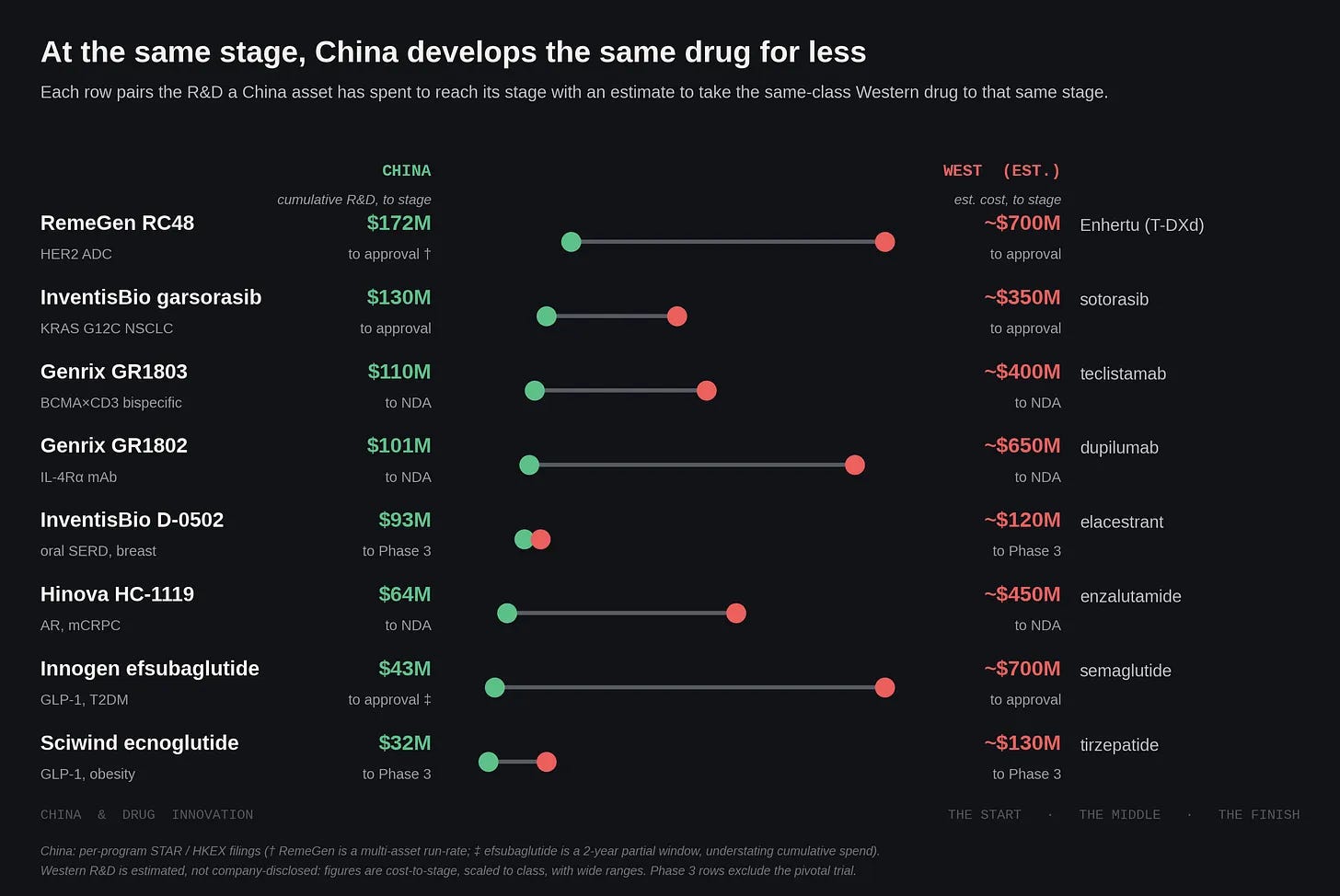
As a student of history, my favorite part about Alex’s article was the parallel he drew between the rise of Japanese biotech in the 1980s and the rise of Chinese biotech today. Both have leveraged their robust manufacturing bases and government collaboration to seed their industries. Both countries have also struggled to build out a commercial infrastructure that is large enough to launch medicines outside of their home countries, which is perhaps why licensing agreements have so far been their status quo. Yet, pharmas hailing from both countries have recently started making progress on this front:
BeOne Medicines initially aimed to become the “Genentech of China”, according to their co-founder & CEO John V. Oyler but recently re-domiciled to Basel, Switzerland and changed their name from BeiGene to better “reflect who [they] are today as a leading global oncology company“. They have successfully launched Brukinsa (2019) and Tevimbra (2024) globally, including in the U.S., without relying on a Western partner.
Japanese pharma companies have acqui-hired Western salesforces and have begun to launch medicines directly in the West. Examples include Takeda’s purchase of Shire in 2019, Astellas’ acquisition of Iveric Bio in 2023, and Ono’s acquisition of Deciphera in 2024. All three fast-tracked their acquirers’ access to U.S. speciality networks, in addition to expanding their pipelines.
My discussion here only skims the surface of Alex’s article. I highly recommend you read it yourself:

Sources: China has caught up in biotech. How screwed are we? by Alex Kesin
Acquisitions

Approvals
Sanofi - Sarclisa Escena (anti-CD38 mAb via subcutaneous on-body injector) / Approved (multiple myeloma)
On July 9, 2026, the FDA approved Sarclisa Escena (isatuximab-irfc), a subcutaneous formulation of the CD38-directed monoclonal antibody, for the treatment of multiple myeloma (MM). This approval is a significant development in oncology care, as it introduces the first anticancer treatment capable of being administered via an on-body injector (OBI). It is approved for use with an on-body delivery system (the CirCLIQ OBI) and can also be administered manually via a syringe and infusion set. The approval applies to all existing indications for the intravenous (IV) formulation of Sarclisa. Approval was supported by the IRAKLIA phase 3 study, which demonstrated that the subcutaneous formulation provided non-inferior efficacy (ORR 71.1% subcutaneous versus 71.1% IV), pharmacokinetics, and safety compared to the traditional IV infusion, while offering a significantly shorter treatment time and fewer infusion-related reactions. The safety profile was comparable between the two arms, with one critical advantage: systemic infusion-related reactions occurred in only 1.5% of the subcutaneous arm, compared to 25% in the intravenous arm. Beyond efficacy and safety, the IRAKLIA study highlighted significant benefits for the patient experience. Subcutaneous delivery is significantly faster than the multi-hour IV infusion. A majority (74.5%) of patients who experienced both administration methods preferred the on-body injector over manual injection. Patients reported higher satisfaction levels with the subcutaneous treatment compared to the intravenous arm.
Sources: Sanofi press release, FDA press release
Vera - Trutakna (APRIL/BAFF inhibitor) / Approved (IgAN)
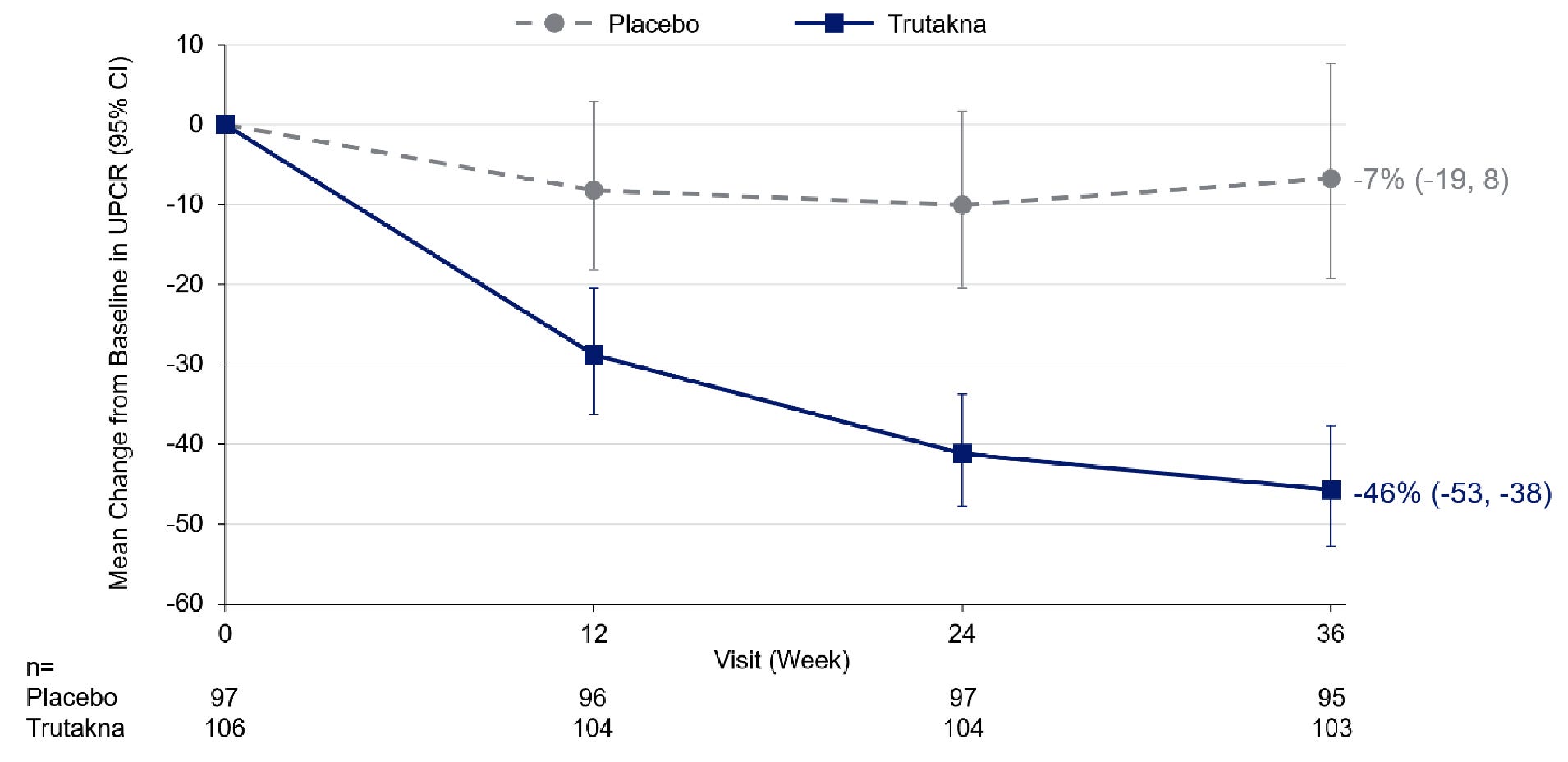
Vera Therapeutics’ Trutakna (atacicept) received FDA accelerated approval on July 7, 2026, to reduce proteinuria in adults with primary immunoglobulin A nephropathy (IgAN) at risk for disease progression. IgAN affects approximately 160,000 patients in the U.S. and is a leading cause of chronic kidney disease and failure. Trutakna is the first FDA-approved dual inhibitor of BAFF (B-cell activating factor) and APRIL (a proliferation-inducing ligand). By blocking both cytokines, it reduces the production of pathogenic galactose-deficient IgA1 (Gd-IgA1) antibodies, which are central to the pathogenesis of IgAN. The approval was based on a prespecified interim analysis of the ongoing Phase 3 ORIGIN 3 trial. In the first 203 patients, Trutakna demonstrated a -46% reduction in proteinuria (protein in the urine) from baseline, compared to a -7% reduction in the placebo arm at week 36 (P < 0.0001). As an accelerated approval based on the surrogate marker of proteinuria, Vera is required to confirm clinical benefit, specifically regarding the long-term impact on kidney function decline. The company has aligned with the FDA on a revised analysis plan, with pivotal eGFR (estimated glomerular filtration rate) results, which they expected to report in 3Q 2026. Trutakna competes with Otsuka’s Voyxact (sibeprenlimab), a selective APRIL inhibitor that received FDA accelerated approval in November 2025. While Voyxact is administered once every four weeks, Trutakna is dosed via weekly subcutaneous injection.
Sources: Vera press release, Trutakna label
Clinical Trial Data
Compass Pathways - COMP360 (synthetic psilocybin) / Phase 3 (TRD)
Compass Pathways recently reported positive six-month data from its second pivotal Phase 3 trial (COMP006) for COMP360 (synthetic psilocybin) in patients with Treatment-Resistant Depression (TRD).
Treatment-Resistant Depression (TRD) is a complex condition driven by neuroinflammation, disrupted glutamatergic signaling, and impaired neural connectivity, necessitating multifaceted treatment approaches ranging from optimized pharmacotherapy and psychotherapy to interventional strategies like ECT, rTMS, and Spravato (esketamine). The “treatment resistant” part means that a patient has failed to respond to two or more adequate courses of antidepressant therapy. COMP360, a synthetic psilocybin formulation, offers a novel mechanism of action by acting as a 5-HT2A receptor agonist (serotonin receptor family). When administered with psychological support, it aims to facilitate profound neuroplasticity and neural reconfiguration, potentially interrupting the rigid depressive thought patterns that resist standard therapeutic interventions.
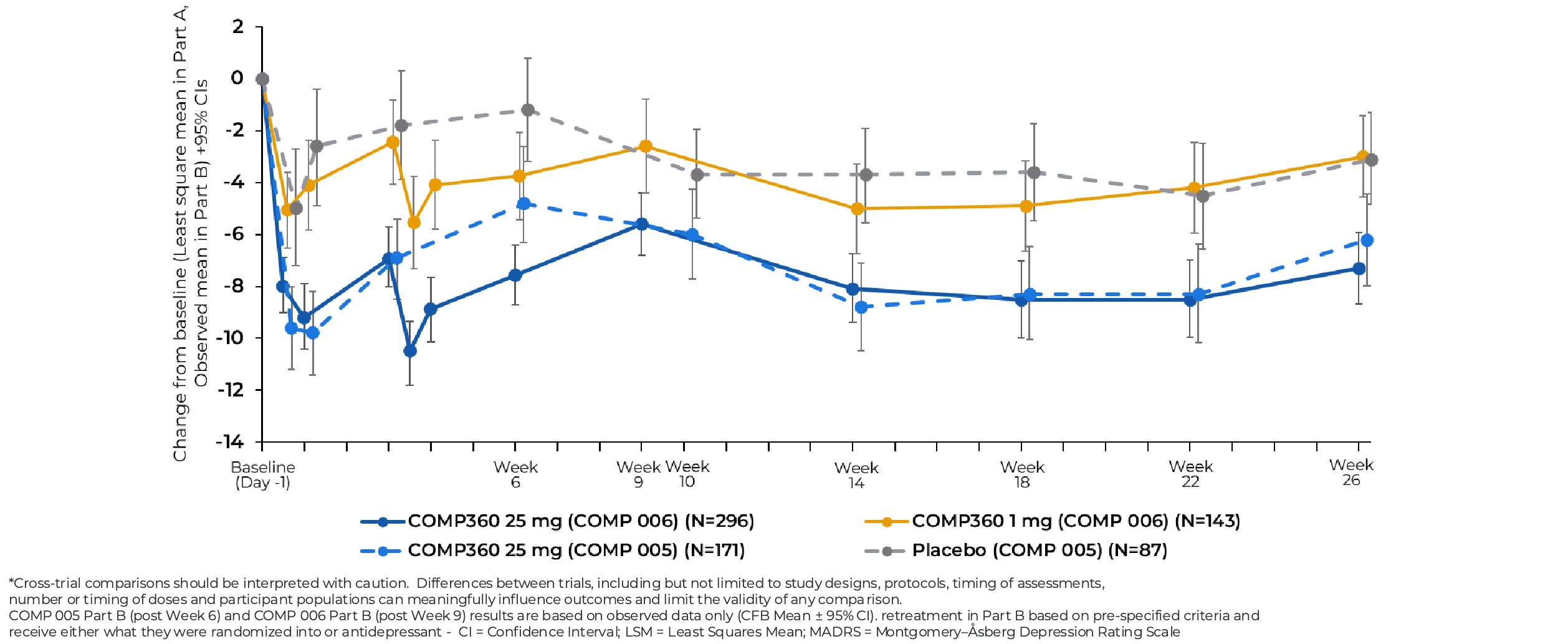
In a randomized, double-blind Phase 3 trial involving 581 patients with highly chronic treatment-resistant depression (TRD), COMP360 (25 mg) demonstrated clinical efficacy with 39% of participants achieving a ≥25% reduction in Montgomery-Åsberg Depression Rating Scale (MADRS) scores at Week 6, a benefit maintained through six months in responders. For context, MADRS is a doctor-rated scale consisting of 10 core symptoms of depression. This clinical endpoint emphasizes psychological and cognitive symptoms, making it highly responsive to the effects of antidepressant medication. Additionally, nearly 30% of those retreated in the study achieved remission, while the safety profile remained consistent with previous findings, characterized by transient, day-of-dosing adverse events. By offering a “pulsed” dosing model that could require only a few sessions annually, COMP360 may provide a potentially differentiating alternative to the chronic daily medications or frequent clinical visits necessitated by existing standard-of-care therapies like Spravato (twice weekly to once every two weeks).
Compass Pathways is currently executing a rolling New Drug Application (NDA) submission with the FDA. They anticipate the final NDA submission for 4Q 2026. Pending FDA approval and DEA rescheduling of psilocybin, Compass expects to initiate a U.S. commercial launch the first half of 2027. Notably, COMP360 has been granted a Commissioner’s National Priority Voucher (CNPV). This program provides enhanced FDA communication and a significantly shortened review timeline (targeting 1–2 months) once the rolling NDA is finalized.
Sources: Compass Pathways press release, Compass Pathways slide deck
Forte Biosciences - FB102 (anti-CD122 mAb) / Phase 1b (vitiligo)
Forte Biosciences recently announced positive results from its Phase 1b study of FB102, an investigational treatment for vitiligo.
Vitiligo is an autoimmune condition driven by the oxidative-stress-triggered activation of cytotoxic CD8+ T cells, which selectively destroy pigment-producing melanocytes and necessitate standard-of-care treatments ranging from topical corticosteroids and calcineurin inhibitors to phototherapy and targeted JAK inhibitors. FB102, an anti-CD122 monoclonal antibody, offers a novel mechanism of action by selectively modulating the IL-2 and IL-15 signaling pathways. By inhibiting the activation of pathogenic cytotoxic and tissue-resident memory T-cells while preserving regulatory T-cells, FB102 aims to provide a more precise and safer immunomodulatory approach to arresting disease progression and facilitating repigmentation.
In a randomized, double-blind, placebo-controlled Phase 1b trial of 43 patients with vitiligo, FB102 demonstrated significant clinical efficacy, achieving a 29.6% mean improvement in the Facial Vitiligo Area Scoring Index (FVASI) at Week 24 compared to -16.2% for placebo (p=0.005) in the intent-to-treat (ITT) population. Patients with more extensive baseline disease experienced an even more robust 43.2% mean improvement, and the therapeutic benefit was notable for being progressive and sustained even after the 12-week dosing period concluded. FB102 was generally well-tolerated, with all reported adverse events classified as mild to moderate and a safety profile that compared favorably to placebo.
Forte Biosciences is looking toward its upcoming Phase 2 celiac disease trial readout as the next major clinical catalyst for FB102. Management has indicated that the successful vitiligo data reinforces the drug’s broad potential across multiple autoimmune indications.
Sources: Forte press release, Forte slide deck
Fate - FT819 (allogeneic CD19 CAR-T) / Phase 1 (SSc)
Fate Therapeutics presented data at the International Society for Stem Cell Research (ISSCR) 2026 meeting regarding their Phase 1 basket trial of FT819 in systemic sclerosis (SSc).
Systemic Sclerosis (SSc) is a chronic, incurable autoimmune condition marked by immune dysregulation, vascular damage, and progressive organ fibrosis, currently managed through symptom-specific support and immunosuppression. However, FT819 offers a potential therapeutic shift as an off-the-shelf, iPSC-derived CD19 CAR T-cell therapy designed to deplete auto-reactive B-cells. By utilizing a standardized iPSC bank instead of patient-specific cells and incorporating a TRAC locus knockout to eliminate GvHD risk, FT819 provides a scalable, on-demand alternative to traditional autologous therapies for addressing the underlying drivers of severe autoimmune disease.
In the ongoing Phase 1 basket trial, the first four systemic sclerosis (SSc) patients treated with the off-the-shelf, iPSC-derived CAR T-cell therapy FT819 achieved significant clinical success, with all four participants meeting an rCRISS score of ≥25 and demonstrating meaningful improvements in skin thickness (mRSS) at three months. Notably, the treatment maintained a relatively clean safety profile (devoid of CRS, ICANS, or GvHD) and was successfully administered in outpatient or rapid-discharge settings without the need for intensive lymphodepleting chemotherapy. These results underscore the potential for FT819 to serve as a scalable, on-demand alternative to traditional autologous therapies, potentially overcoming key barriers to CAR T-cell access for patients with severe, treatment-resistant rheumatic diseases.
Investigators plan to continue monitoring the durability of responses and safety in the current SSc cohort. Efforts are underway to identify which specific patient subpopulations are most likely to derive the greatest benefit. Fate Therapeutics continues to advance FT819 in other autoimmune indications (e.g., lupus nephritis) and is preparing for further regulatory discussions regarding a potential pivotal/registrational trial.
Sources: Fate ISSCR 2026 slide deck
Descriptive data releases without numerical data
Ipsen - Dysport (Botulinum toxin) / Phase 3 (migraine): Ipsen recently announced positive Phase 3 results for Dysport (abobotulinumtoxinA), demonstrating that it successfully met its primary endpoint in two pivotal trials by significantly reducing monthly migraine days in patients with episodic migraine. This milestone marks the first time a botulinum toxin has shown clinical efficacy in improving symptoms for the episodic migraine population, a development that could potentially differentiate it from current botulinum toxin approvals, which are generally restricted to chronic migraine. Ipsen plans to present full results at an upcoming medical conference.
GSK - Risvutatug rezetecan (B7-H3 ADC) / Phase 3 (ES-SCLC): The pivotal Phase 3 ARTEMIS-008 trial of risvutatug rezetecan (Ris-Rez), a B7-H3-targeted antibody-drug conjugate (ADC), successfully met its primary endpoint of overall survival (OS) in patients with advanced or relapsed small-cell lung cancer (SCLC) in China. Conducted by GSK’s partner, Hansoh Pharma, the study demonstrated statistically significant and clinically meaningful improvements in OS compared to the standard-of-care chemotherapy, topotecan, while also showing consistent benefits in progression-free survival with a manageable safety profile. These findings mark the first positive Phase 3 overall survival data for a B7-H3-targeted ADC in any tumor type, validating the biological rationale for this target and supporting upcoming regulatory submissions in China. For GSK, which holds exclusive rights outside of Greater China, these results reinforce the potential of Ris-Rez as a priority asset and support the ongoing global development program, including the Phase 3 EMBOLD SCLC-301 trial, with pivotal data expected in 2027.
Love biotech? Check out Biotech Readout’s full content library, or navigate directly to a segment that interests you:
Frontiers in Medicine: Exploring the frontiers of our understanding and treatments for disease.
Medical History: Recovering forgotten relics in the history of medicine.
Acquisitions: Exploring the innovation behind acquired companies.
Weekly Readout: A digest of new clinical data from the past week.
To contact us, please send us an email at biotechreadout@gmail.com
Disclaimers
Investigational Status Disclaimer
The therapeutic candidates discussed in this newsletter are currently in clinical development and have not been approved for commercial sale by the U.S. Food and Drug Administration (FDA), the European Medicines Agency (EMA), or other global regulatory authorities. Their safety and efficacy have not been established. References to pipeline products and ongoing clinical trials involve significant risks and uncertainties. Statements regarding the potential safety, potency, or efficacy of investigational drugs reflect current hypotheses and are not a guarantee of future performance or regulatory clearance. The outcome of clinical trials is inherently unpredictable, and clinical results from earlier stages may not be predictive of results in later, larger-scale trials.
No Medical Advice Disclaimer
This newsletter is for informational and educational purposes only. The content is not intended to be a substitute for professional medical advice, diagnosis, or treatment. Always seek the advice of your physician or another qualified health provider with any questions you may have regarding a medical condition. Never disregard professional medical advice or delay in seeking it because of something you have read in this publication.
No Patient-Provider Relationship Disclaimer
The information provided in this newsletter is for educational and analytical purposes only. Receipt of this information, or any interaction with this content, does not create a physician-patient, pharmacist-patient, or any other professional-provider relationship between you and the authors or publishers. This newsletter should not be used as a substitute for a personal consultation with a qualified healthcare professional.
Forward-Looking Statements Disclaimer
This newsletter contains “forward-looking statements” regarding future events, including clinical trial timing, regulatory milestones, and projected market performance. These statements are based on current expectations and assumptions that are subject to significant risks and uncertainties. Actual results may differ materially from those expressed or implied. We undertake no obligation to update these statements as a result of new information or future developments.
Third-Party Links & Content Disclaimer
This newsletter contains links to third-party websites, including clinical trial registries and corporate presentations. Biotech Readout does not endorse, guarantee, or assume responsibility for the accuracy or reliability of any information offered by third-party providers.
Errors and Omissions Disclaimer
While we strive for technical accuracy, the information in this newsletter is provided on an “as is” basis with no guarantees of completeness, accuracy, or timeliness. Biotech Readout assumes no liability for any errors or omissions in the content of this publication.
Non-Endorsement Disclaimer
Any reference to specific commercial products, processes, or services by trade name, trademark, or manufacturer does not constitute or imply an endorsement or recommendation by the author. All trademarks are the property of their respective owners.
No Investment Advice Disclaimer
This newsletter is for informational purposes only and does not constitute financial, investment, or legal advice. The author is not a registered investment advisor. You should consult with a professional financial advisor before making any investment decisions. The biotechnology sector is highly volatile; past performance is not indicative of future results.
Conflict of Interest Disclaimer
The author of this newsletter maintains a position of independence. At the time of publication, the author holds no direct financial interest, equity, or options in any of the companies mentioned in this report. No compensation has been received from any third party to feature or analyze specific therapeutic candidates or corporate entities.