
Hepatitis C, Part 2
How Pharmasset teamed up with Gilead and bested big pharma in the race for a cure

Disclaimer: This newsletter is for educational and informational purposes only and does not constitute medical, investment, or financial advice, nor does it establish a provider-patient relationship. Content may include forward-looking statements and discussions of investigational therapeutic candidates that are not FDA/EMA approved; their safety and efficacy remain unestablished and clinical outcomes are unpredictable. While we strive for accuracy, all information is provided as is without guarantees. As of the date of publication, the author holds no direct equity positions in the specific companies mentioned in this issue nor receives third-party compensation for this coverage. Please find a complete version of our disclaimers at the bottom of this article and on our About page.

Prologue
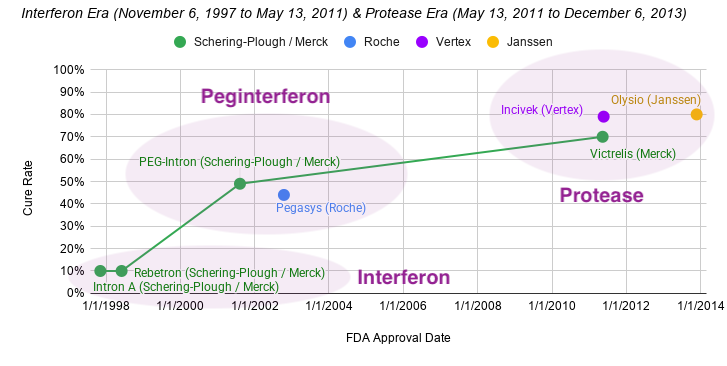
In Part 1, we dug into the Nobel-prize winning discovery of Hepatitis C and explored how Schering-Plough, Roche, Merck, Vertex, and Janssen turned the tide from a public health epidemic to an 80% cure rate.
The Interferon Era and Protease Era represent the first two legs of the race for the Hepatitis C cure. Researchers at Chiron mapped the virus’ genome and developed a biomarker-based diagnostic, revealing the enormous scope of Hepatitis C’s scourge. Schering-Plough figured out how to manufacture interferon at scale, pioneering the first FDA-approved treatment for Hepatitis C. Schering-Plough and Roche introduced a long-acting peginterferon, which reduced the injection burden from three times weekly to once weekly. After Schering-Plough merged with Merck, the team hosted a second act and pioneered NS3/4A protease inhibitors with Vertex close behind. By the end of 2013, Schering-Plough/Merck had a 16-year track record as the juggernaut in Hepatitis C. Two years later, Janssen lowered the overall pill burden from five a day to three a day. All told, Hepatitis C went from a public health epidemic to an 80% cure rate.
In a vacuum, this progress is astounding, but the story doesn’t end here. It’s only with the clarity of hindsight that we can talk about the weaknesses of the standard of care regimen for Hepatitis C circa 2013. NS3/4A protease inhibitors could not be used alone. They required co-administration with pegylated interferon and ribavirin, which were notorious for debilitating side effects like severe fatigue, depression, flu-like symptoms, and anemia. These regimens required complex dosing schedules (e.g., every 8 hours) and specific dietary protocols (Victrelis with a light snack and Incivek with a high-fat meal) to ensure proper absorption. Since they had a low barrier to resistance, any lapse in adherence could quickly render the virus resistant not only to the drug being taken but potentially to other protease inhibitors in the same class.
Beyond the specific issues of the first-generation drugs, the protease inhibitor class as a whole faced persistent clinical challenges. Early protease inhibitors were contraindicated or carried strong warnings for patients with moderate to severe liver impairment (Child-Pugh B or C cirrhosis). In these cases, the drugs could cause further liver dysfunction, failure, and death, likely due to altered hepatic metabolism. Protease inhibitors were also typically potent inhibitors or substrates of cytochrome P450 enzymes (particularly CYP3A). This made them prone to significant interactions with a wide array of other medications, necessitating careful clinical management when treating patients with comorbidities. Finally, the efficacy of certain protease inhibitors (such as Olysio) was compromised by pre-existing viral resistance mutations, most notably the Q80K polymorphism in HCV genotype 1a. This required mandatory baseline resistance testing, adding complexity and cost to the treatment process.
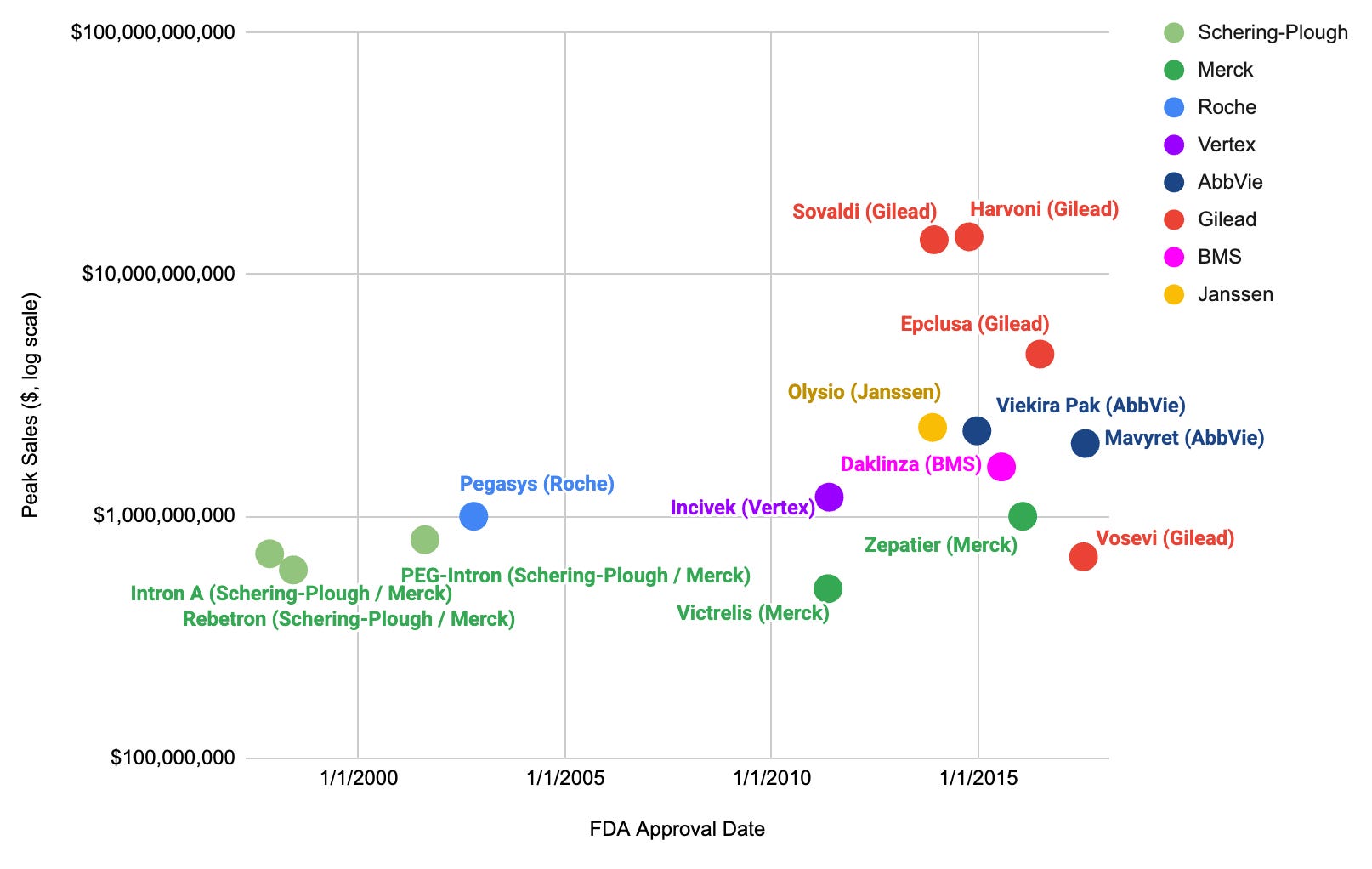
As the sun set on the Protease Era, Schering-Plough/Merck looked back on a 16-year track record of success and a blockbuster Hepatitis C franchise. Roche, Vertex, and Janssen also constructed blockbuster franchises, racking up peak annual sales of $1 billion (mid-2000s), $1.2 billion (2012), and $2.3 billion (2014), respectively. High fives all around.
[But] remember Gilead, the underdog of our story? They’re about to shift into overdrive. The Gold Rush has barely begun. The race for the cure is just getting started.
In Part 2, we explore how Pharmasset teamed up with Gilead and bested big pharma in the race for a cure.
Soul Searching
The history of Gilead reads like a roller coaster feels: lots of twists and turns but, in the end, satisfaction that you were along for the ride. The company was founded in June 1987 in Foster City, California, by Michael L. Riordan, a 29-year-old physician. Riordan brought an unusually tailored blend of clinical, technical, and financial training to the table. His academic credentials were stellar. Riordan held degrees in chemical engineering and biology from Washington University in St. Louis, an M.D. from Johns Hopkins University School of Medicine, and an MBA from Harvard Business School. Before founding Oligogen, Riordan spent a year working as an associate at Menlo Ventures. This brief stint gave him insider access to Silicon Valley venture networks, term-sheet mechanics, and syndicate building, which proved critical for early non-dilutive and dilutive fundraising. Beyond his background, Riordan was personally motivated by a bout of dengue fever he contracted while working in the Philippines. The lack of direct-acting antiviral treatments for tropical and systemic viral illnesses convinced him that targeting viral genetic replication was one of biopharma’s greatest unmet frontiers.
Gilead was initially named Oligogen to reflect its initial focus on antisense oligonucleotides (ASOs), short strands of synthetic DNA/RNA aimed at silencing disease-causing genes. From the beginning, Oligogen ran into branding limitations. According to Riordan, “Gilead Sciences” was actually his preferred name from the start. Riordan drew the name from the historical and biblical Balm of Gilead, a rare aromatic resin renowned throughout antiquity for its curative and healing properties. When incorporating the company in June 1987, he ran into a temporary trademark conflict with a California non-profit organization that was already operating under the name “Gilead”. As a placeholder while clearing the legal and trademark hurdles, he registered the company as Oligogen, a functional, clinical descriptor reflecting its early focus on synthetic oligonucleotides (oligo- + -gen). Once the trademark issues were cleared in early 1988, the company officially re-registered as Gilead Sciences, Inc.
In the late 1980s, antisense technology was emerging as a promising frontier in molecular biology. The core premise was that by synthesizing a specific short nucleotide sequence complementary to viral mRNA, the molecule would selectively bind to the target viral gene and prevent the host ribosome from translating it into functional viral proteins. To build immediate credibility around this complex chemistry, Riordan recruited a formidable scientific advisory board (SAB), which included:
Peter Dervan (Caltech), a pioneer in sequence-specific DNA-binding molecules.
Doug Melton (Harvard), a leading authority on molecular gene expression.
Harold Weintraub (Fred Hutchinson Cancer Research Center), a structural molecular biologist.
Walter Gilbert, a 1980 Nobel laureate in Chemistry for DNA sequencing techniques.
Leveraging his ties at Menlo Ventures, Riordan raised an initial $2 million seed round in 1988, allowing the young team to set up dedicated laboratory facilities in Foster City, California. In 1989, Gilead secured a $10 million Series A financing led by Menlo Ventures and a syndicate of private institutional investors, providing the runway needed to explore early chemistry. While Gilead’s early focus on ASOs generated significant academic excitement, the platform faced major physiological hurdles in the late 1980s and early 1990s. Unmodified oligonucleotides were large, negatively charged molecules that struggled to cross cell membranes effectively without rapidly degrading in plasma via endogenous nucleases. Furthermore, achieving therapeutic target concentrations inside virally infected cells without triggering systemic toxicity proved exceedingly difficult with first-generation antisense chemistry. Recognizing these delivery hurdles, Riordan and his scientific team executed a crucial strategic pivot.
Rather than remaining strictly anchored to antisense gene silencing, Gilead redirected its chemistry engine toward small-molecule nucleotide analogs. By modifying nucleosides and nucleotides to act as chain terminators for viral polymerases, Gilead bypassed early antisense delivery issues. This pivot laid the foundation for its subsequent in-licensing of two molecules, establishing the antiviral platform that ultimately built the company.
Going Viral
Having established a dedicated small-molecule nucleotide focus, Gilead possessed the scientific framework to recognize promising external assets that larger pharmaceutical companies had overlooked. This culminated in an international cross-border intellectual property deal centered around Acyclic Nucleoside Phosphonates (ANPs), a novel class of compounds discovered through a long-running research collaboration between two academic groups:
Antonín Holý at the Institute of Organic Chemistry and Biochemistry (IOCB) in Prague (Czechoslovakia/Czech Republic).
Erik De Clercq at the Rega Institute for Medical Research in Leuven (Belgium).
Holý and De Clercq had originally licensed their ANP patent portfolio to Bristol-Myers in the late 1980s. However, following the 1989 merger between Bristol-Myers and Squibb, the newly formed Bristol-Myers Squibb (BMS) opted to discontinue the ANP program to focus on other internal assets. Per their contract, the commercial patent rights reverted to the academic institutes. Dr. John C. Martin, a seasoned medicinal chemist who had been leading antiviral chemistry at BMS, strongly believed in the therapeutic potential of the ANP platform. In 1990, Martin left BMS to join Gilead as Vice President of Research (later becoming CEO in 1996). Martin convinced Gilead’s executive team to aggressively pursue the ANP portfolio. In 1991-1992, Gilead entered into an exclusive, global licensing agreement with IOCB Prague and the Rega Institute for the ANP compound library.
The first major validation of this platform deal came with cidofovir, a broad-spectrum antiviral that targets DNA viruses. In 1996, the FDA approved cidofovir under the brand name Vistide for Cytomegalovirus (CMV) retinitis in patients with late-stage AIDS. While Vistide was never a commercial blockbuster due to renal toxicity risks requiring intravenous co-administration with probenecid, it provided Gilead with its first independent FDA approval and commercial product, validating the ANP chemistry platform and building out its clinical trial and regulatory infrastructure.
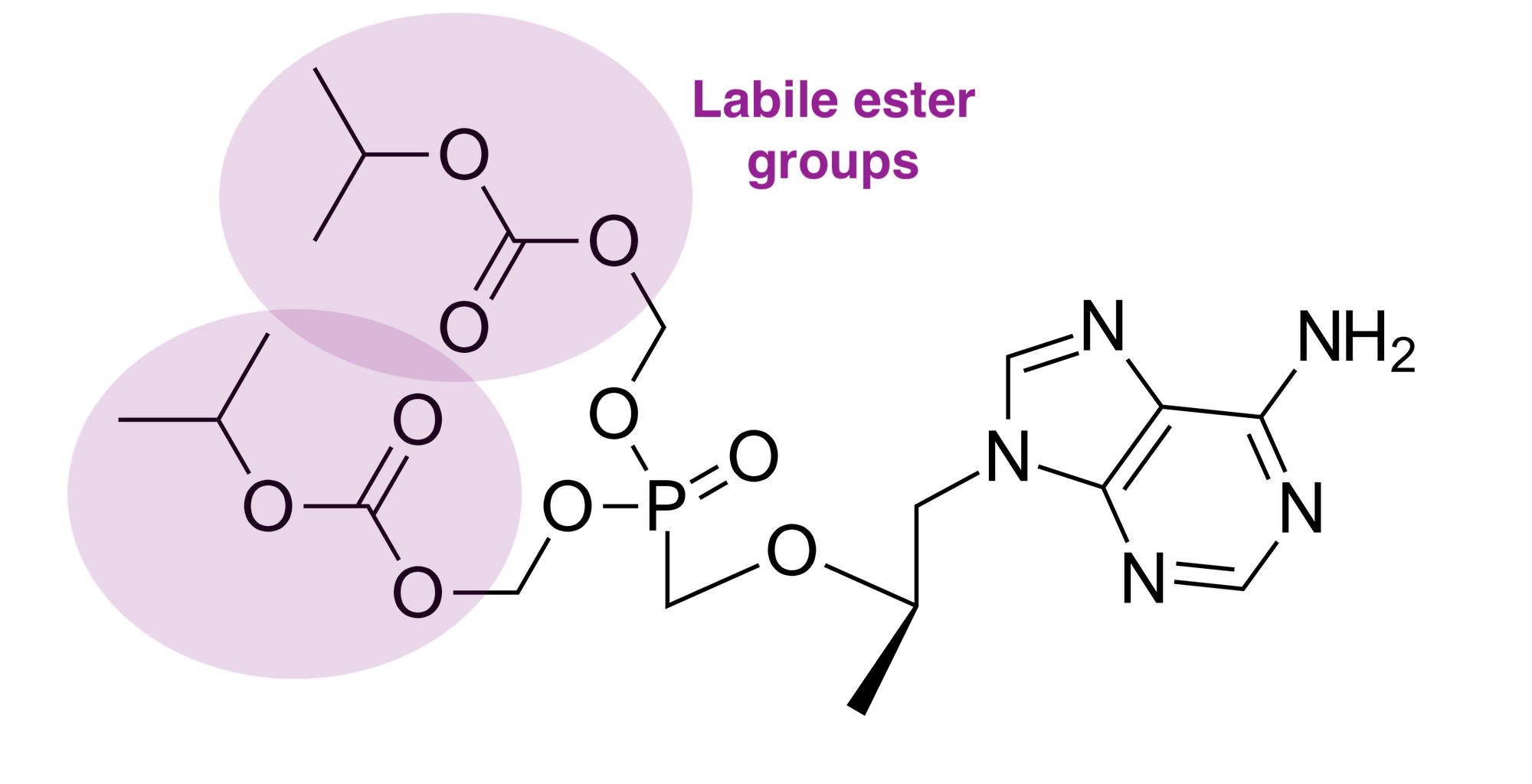
Among the licensed compounds was PMPA, later named tenofovir. Unmodified tenofovir was poorly absorbed in the human gastrointestinal tract. Gilead’s internal chemists solved this by designing an ester prodrug called Tenofovir Disoproxil Fumarate (TDF), which masked the negative charges of the molecule to permit intestinal absorption before converting back to active tenofovir in the plasma. In 2001, TDF received FDA approval for HIV treatment under the name Viread, offering high antiviral potency with a low risk of initial resistance. Two years later in 2004, Gilead combined TDF with emtricitabine (FTC) to create Truvada, establishing a standard two-drug nucleoside backbone for HIV treatment globally. In 2012, Truvada made history by becoming the first FDA-approved medication for HIV Pre-Exposure Prophylaxis (PrEP), opening an entirely new market in preventative medicine.
An Attractive Pharma-ssetup
By 2011, Gilead’s leadership, under CEO John C. Martin, faced two impending strategic pressures. While Gilead’s HIV franchise (anchored by Viread and Truvada) dominated the antiretroviral landscape, the executive team recognized that its primary patent protections would begin expiring in the late 2010s. Gilead would need to build a new franchise to diversify their pipeline and, in doing so, they set their sights on Hepatitis C.
What made Hepatitis C an attractive opportunity? The standard of care for chronic Hepatitis C virus involved 24 to 48 weeks of pegylated interferon plus ribavirin. Interferon injections caused severe flu-like side effects, depression, and anemia, with cure rates (Sustained Virologic Response, or SVR) hovering around 50%. While early direct-acting antivirals like Vertex’s Incivek (telaprevir) hit the market in 2011, they still required co-administration with interferon. Gilead recognized that the “holy grail” of Hepatitis C therapy was an all-oral, interferon-free regimen with short duration, high barrier to resistance, and broad pan-genotypic coverage. For the next decade, this would be Gilead’s North Star.
Gilead didn’t scale the Hepatitis C cure rate alone. Their secret weapon was Pharmasset, a company that went from a niche, university-spun research outfit to the creator of a medical revolution, culminating in the largest and most lucrative single-asset acquisition in pharmaceutical history. Pharmasset was incorporated in 1998 in Atlanta, Georgia. It was founded as an Emory University spinout by two prominent medicinal chemists and virology researchers:
Dr. Raymond F. Schinazi: A pioneer in antiviral drug discovery who had previously co-founded Triangle Pharmaceuticals (later acquired by Gilead) and played a major role in the discovery of key HIV drugs, including 3TC (lamivudine) and FTC (emtricitabine).
Dr. Dennis C. Liotta: Professor of Chemistry at Emory and co-inventor of several foundational HIV antiretrovirals.
The company’s name was a compound of “Pharmaceutical Assets.” Its core mission was to leverage advanced nucleoside and nucleotide chemistry to design direct-acting antivirals for chronic, life-threatening diseases. Like Gilead, Pharmasset focused heavily on synthetic organic chemistry, specifically modifying nucleosides to act as chain terminators for viral RNA/DNA polymerases. While Pharmasset initially evaluated several compounds for HIV and Hepatitis B, its clinical destiny was altered by its focus on Hepatitis C.
In the mid-2000s, Pharmasset relocated its corporate headquarters to Princeton, New Jersey, while maintaining research operations in Georgia. It completed an initial public offering (IPO) on the NASDAQ in April 2007, raising approximately $45 million to fund its clinical pipeline. Shortly thereafter in the late 2000s, Pharmasset’s chemistry team, led by Dr. Michael J. Sofia (Vice President of Chemistry), synthesized a novel uracil nucleotide analog designated PSI-7977 (sofosbuvir). Before entering human trials, PSI-7977 demonstrated three key differentiators in vitro:
Novel target with pan-genotypic coverage: Sofosbuvir targeted the highly conserved active site of the HCV NS5B RNA-dependent RNA polymerase. Since the target site was essential for viral replication across all HCV genotypes, the compound possessed broad pan-genotypic activity (Genotypes 1-6).
Higher Barrier to Resistance: Unlike first-generation Hepatitis C protease inhibitors, viruses could not easily mutate around sofosbuvir without sacrificing their own fitness to replicate.
Low Potential for Mitochondrial Toxicity: Unlike earlier generations of nucleoside antivirals, which inhibited human mitochondrial DNA polymerase gamma and caused severe lactic acidosis or neuropathy, sofosbuvir showed no significant inhibition of human mitochondrial DNA polymerase gamma.
Phase 1 dose-escalation data released between 2009 and 2010 showed that once-daily oral administration produced rapid, multi-log drops in viral RNA within days, confirming potent human liver target engagement. This set the stage for two Phase 2 trials that would forever change the Hepatitis C treatment landscape.
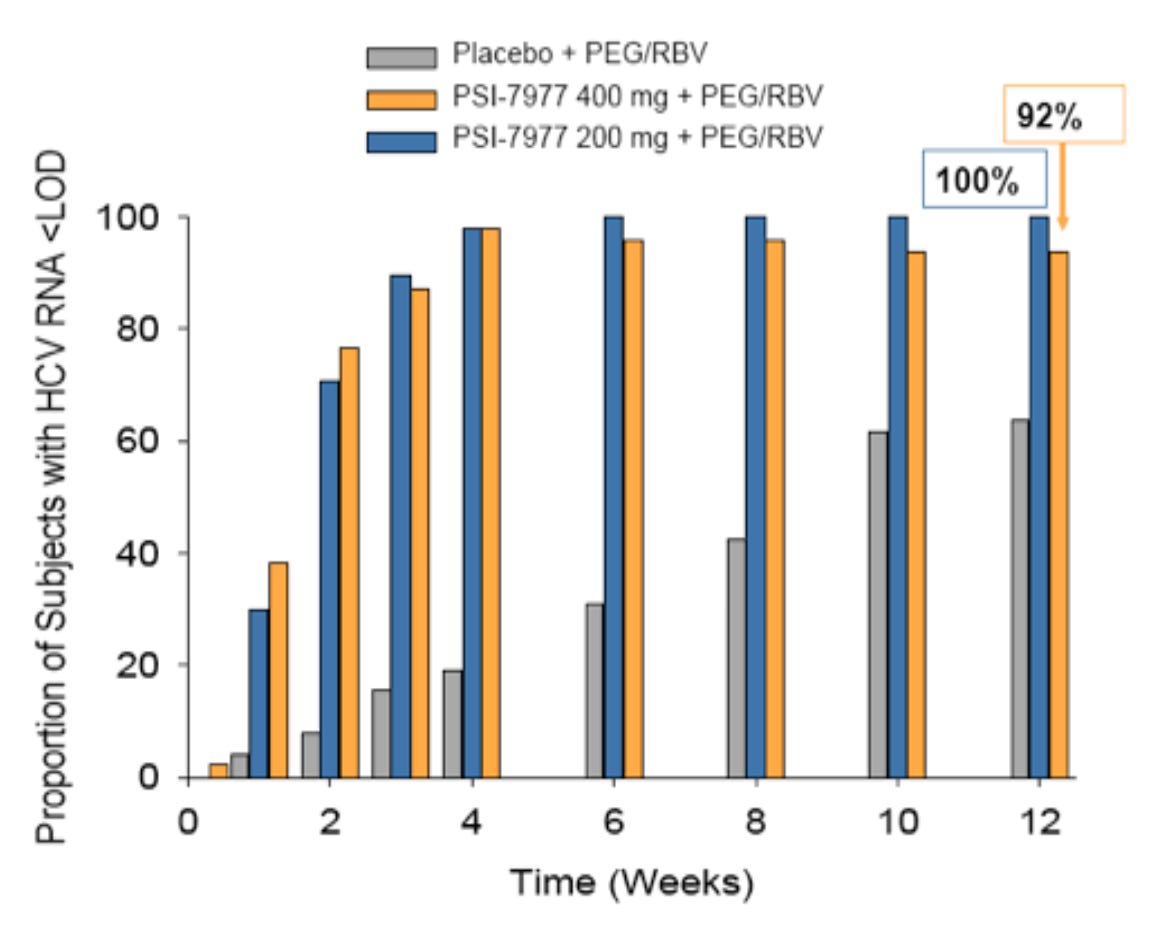
The Phase 2b PROTON trial was a randomized, double-blind, placebo-controlled trial designed to establish dose selection, resistance profiles, and whether adding PSI-7977 could safely shorten standard treatment regimens in treatment-naïve patients infected predominantly with Genotype 1 Hepatitis C, the hardest-to-treat and most common variant in Western countries. By Week 4, over 90% of patients receiving the 400 mg daily dose achieved a Rapid Virologic Response (RVR, defined as undetectable serum HCV RNA). The 400 mg dose yielded Sustained Virologic Response rates (SVR12 / SVR24) ranging between 91% and 98%. Crucially, once treatment ceased, no treatment-emergent primary active-site resistance mutations (such as S282T) were detected during the 12-week dosing window. Unlike first-generation protease inhibitors (telaprevir, boceprevir), no primary active-site resistance mutations (such as S282T) emerged in patients during the 12-week dosing window.
If PROTON showed that sofosbuvir was a potent add-on to existing therapy, ELECTRON was the disruptive trial that rendered injectable interferon obsolete. Conducted primarily in New Zealand, ELECTRON was an open-label Phase 2a study designed to systematically dismantle background therapy components. Pharmasset researchers began removing peginterferon from the treatment regimen entirely, testing whether an all-oral regimen of sofosbuvir (400 mg QD) plus oral ribavirin (RBV) for 12 weeks could cure patients. In treatment-naïve patients with Hepatitis C Genotypes 2 and 3 receiving sofosbuvir plus ribavirin for 12 weeks, 100% (10 out of 10 patients) achieved SVR12. This was the second time in medical history that chronic Hepatitis C was cured using an all-oral, interferon-free regimen (it’s often misremembered as the first, but we’ll get to that later). By stripping out interferon, the grueling systemic side effects that had defined Hepatitis C therapy for two decades disappeared (severe depression, debilitating flu-like symptoms, bone marrow suppression, and hair loss).
Gilead’s CEO, John C. Martin, recognized that Pharmasset held the “holy grail” of Hepatitis C that he had been looking for. However, Pharmasset’s Phase 2 success made it a target for every major player in infectious disease, including Roche, Bristol-Myers Squibb, and Merck. To secure unpartnered global rights to PSI-7977, Gilead moved with extreme speed. On November 21, 2011, Gilead announced a definitive agreement to acquire Pharmasset for at approximately $11 billion, representing an 89% premium to the company’s closing price on the prior Friday.
Striking Gold
While Gilead had gained conviction in Pharmasset, biotech analysts were perplexed by the purchase. They argued that Gilead was paying over a third of its own market capitalization ($11 billion out of $33 billion) for a pre-commercial company with no significant product revenues and a drug candidate that had not yet completed Phase 3 registration studies. Critics questioned whether Pharmasset’s small Phase 2 sample sizes (e.g., 10 out of 10 patients in key ELECTRON arms) would hold up across thousands of diverse patients in global Phase 3 trials.
Gilead answered by using its clinical, regulatory, and industrial footprint to run a number of global Phase 3 registration programs (NEUTRINO, FISSION, POSITRON, and FUSION). This sweeping clinical suite enrolled thousands of diverse chronic Hepatitis C virus patients across multiple genotypes, treatment backgrounds, and disease severities. Within months, the results rolled in:
Phase 3 NEUTRINO trial (treatment naïve, genotypes 1, 4, 5, 6): This trial evaluated sofosbuvir + peginterferon + ribavirin (SOF+Peg-IFN+RBV) for 12 weeks in treatment-naïve patients. The combination achieved an unprecedented 90% SVR12 cure rate, proving that adding sofosbuvir allowed Genotype 1 patients to cut interferon duration down from 48 weeks to just 12 weeks (see table below).
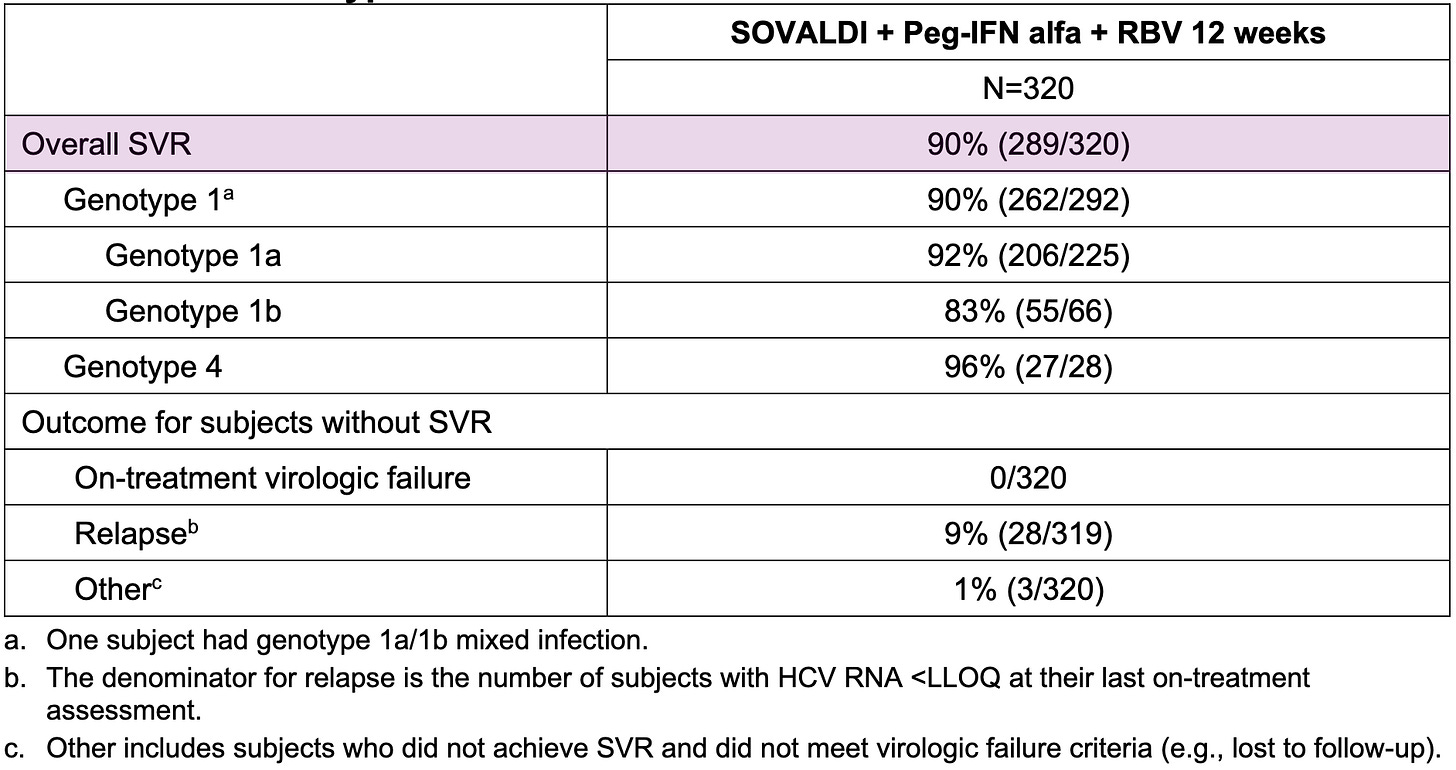
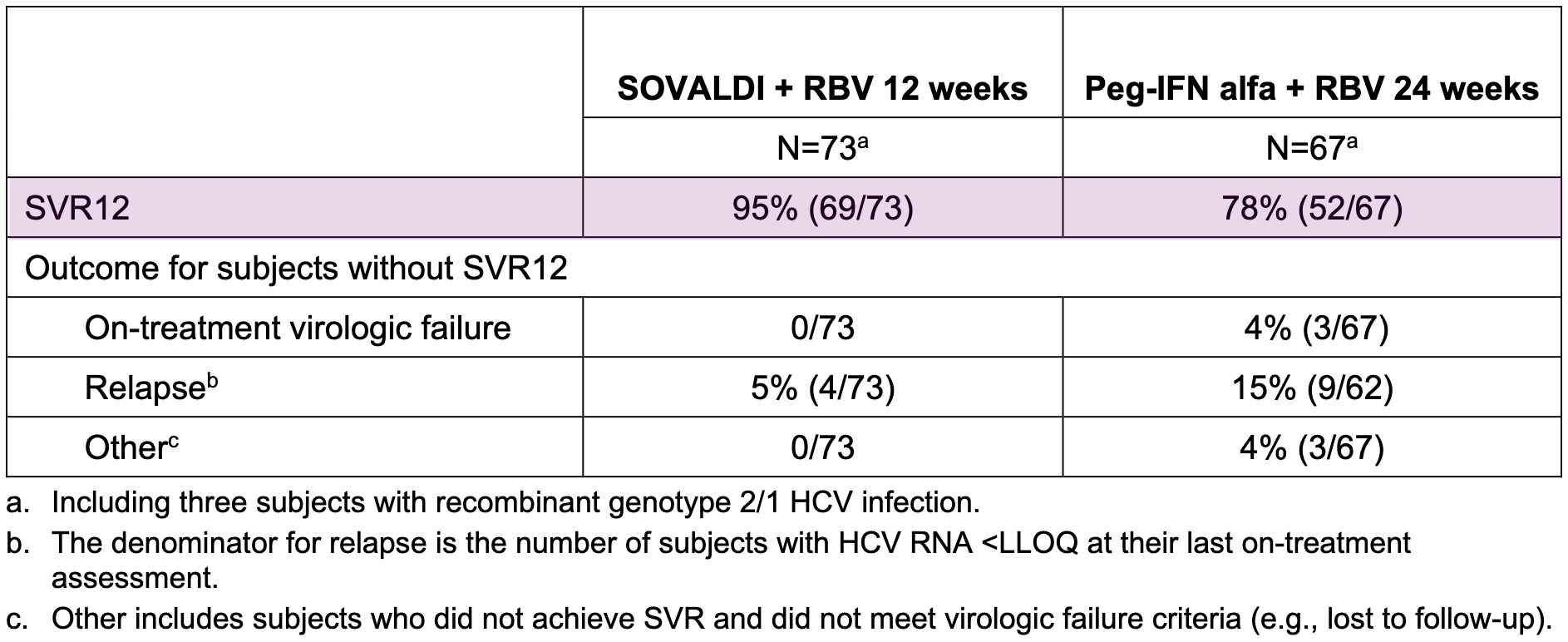
SVR12 for Treatment-Naïve Subjects with Genotype 1 or 4 Hepatitis C in Phase 3 NEUTRINO trial; Source: Sovaldi label, Table 12 Phase 3 FISSION trial (treatment naïve, genotypes 2 & 3): This was a 24-week head-to-head non-inferiority study comparing 12 weeks of all-oral sofosbuvir + ribavirin against the standard 24 weeks of peginterferon + ribavirin. Sofosbuvir + ribavirin had higher & more rapid virologic remission rates with less frequent relapses compared to peginterferon while dramatically reducing systemic side effects (see table below).
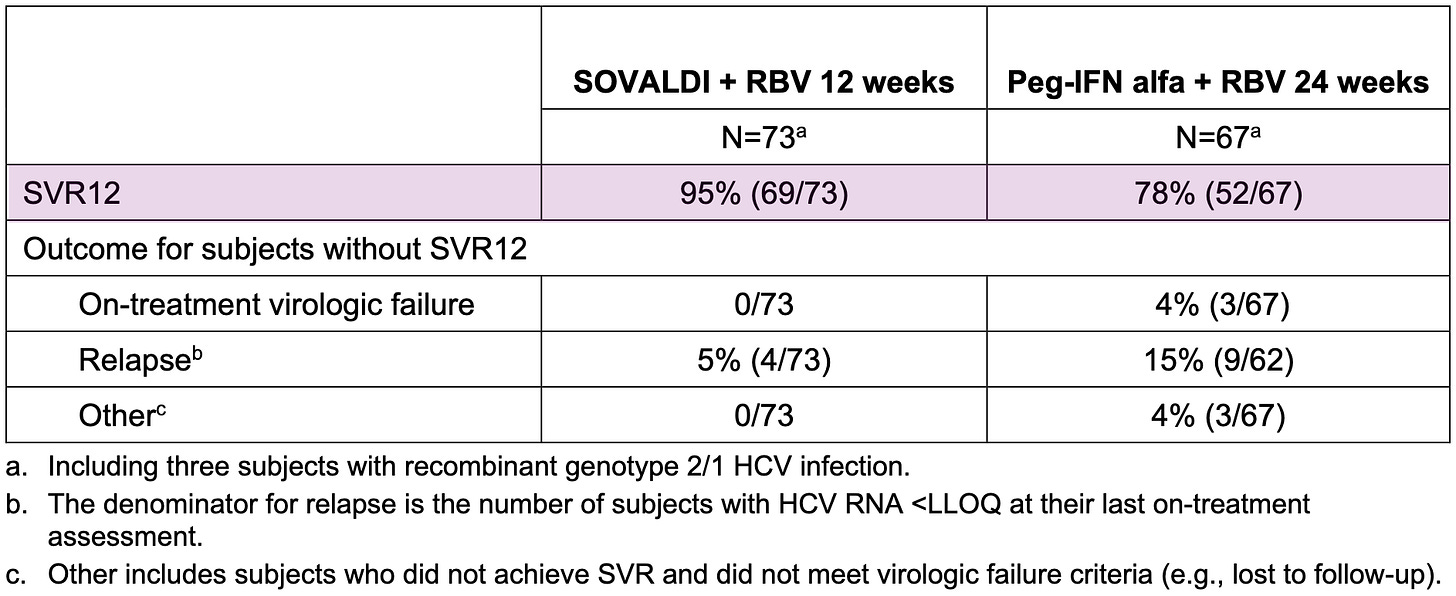
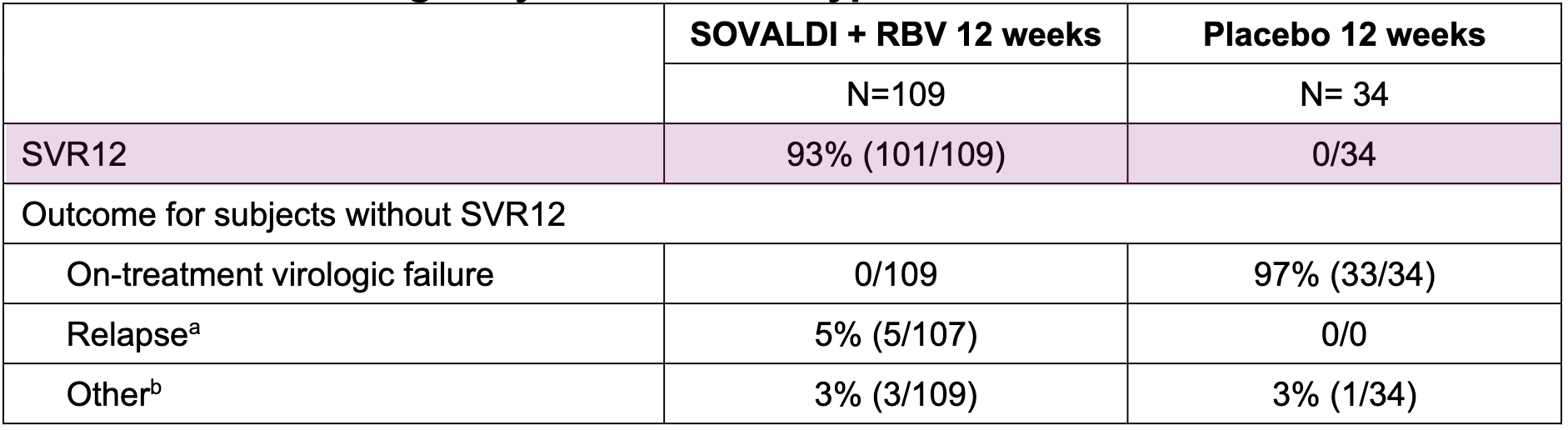
SVR12 in Treatment-Naïve Subjects with Genotype 2 Hepatitis C in Phase 3 FISSION trial, Source: Sovaldi label, Table 14 Phase 3 POSITRON trial (interferon-ineligible/intolerant, genotypes 2 & 3): This trial evaluated 12 weeks of all-oral sofosbuvir + ribavirin versus placebo in patients who could not take interferon due to psychiatric, cardiac, or autoimmune contraindications. It demonstrated a 78% overall SVR12 (and 93% in Genotype 2) with virtually no dropouts (see table below).
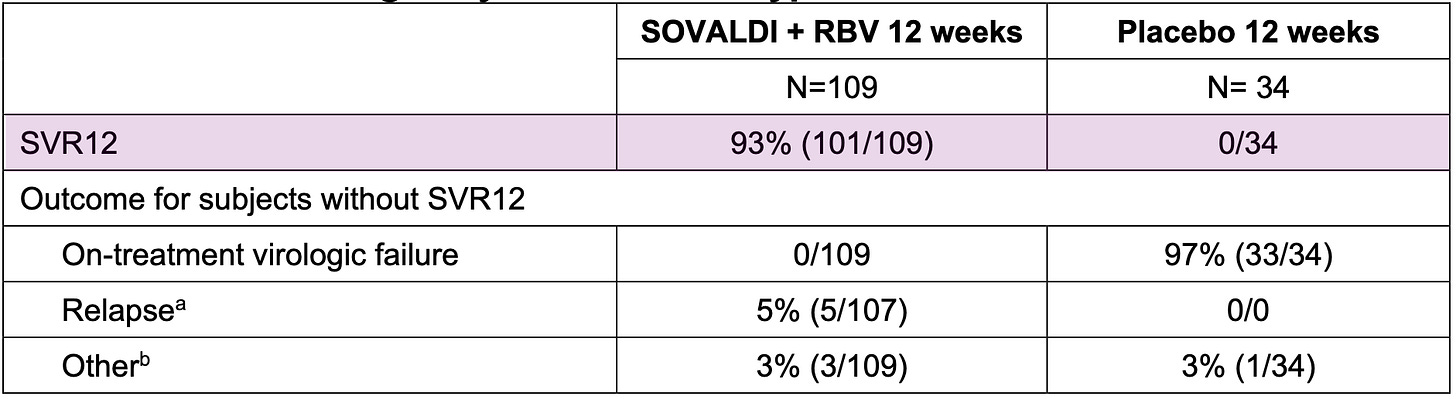
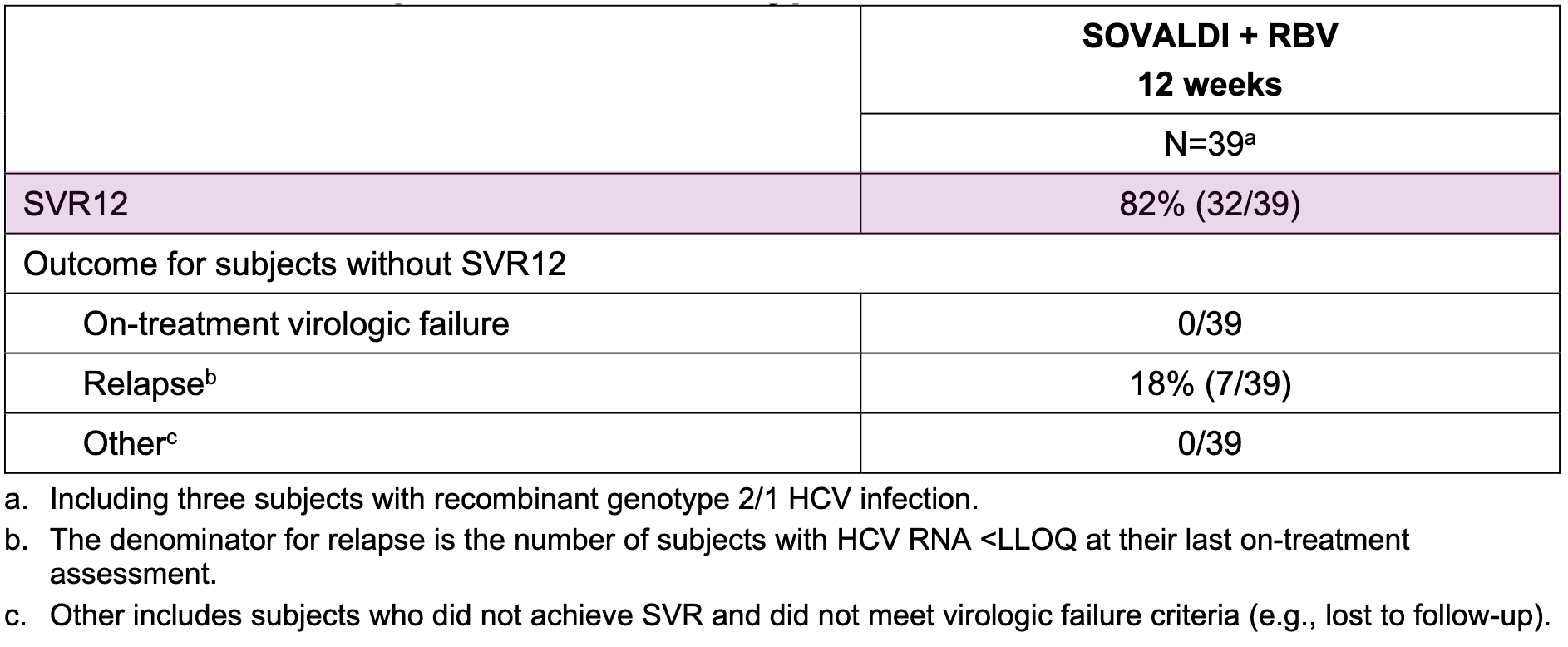
SVR12 in Interferon Intolerant, Ineligible or Unwilling Subjects with Genotype 2 Hepatitis C in Phase 3 POSITRON trial; Source: Sovaldi label, Table 16 Phase 3 FUSION trial (treatment-experienced, genotypes 2 & 3): This trial assessed 12 versus 16 weeks of sofosbuvir + ribavirin in patients who had failed prior interferon regimens, establishing that longer treatment durations improved cure rates in hard-to-treat subgroups. While effective, the 16-week regimen didn’t meaningfully improve efficacy over the 12-week regimen (see table below).
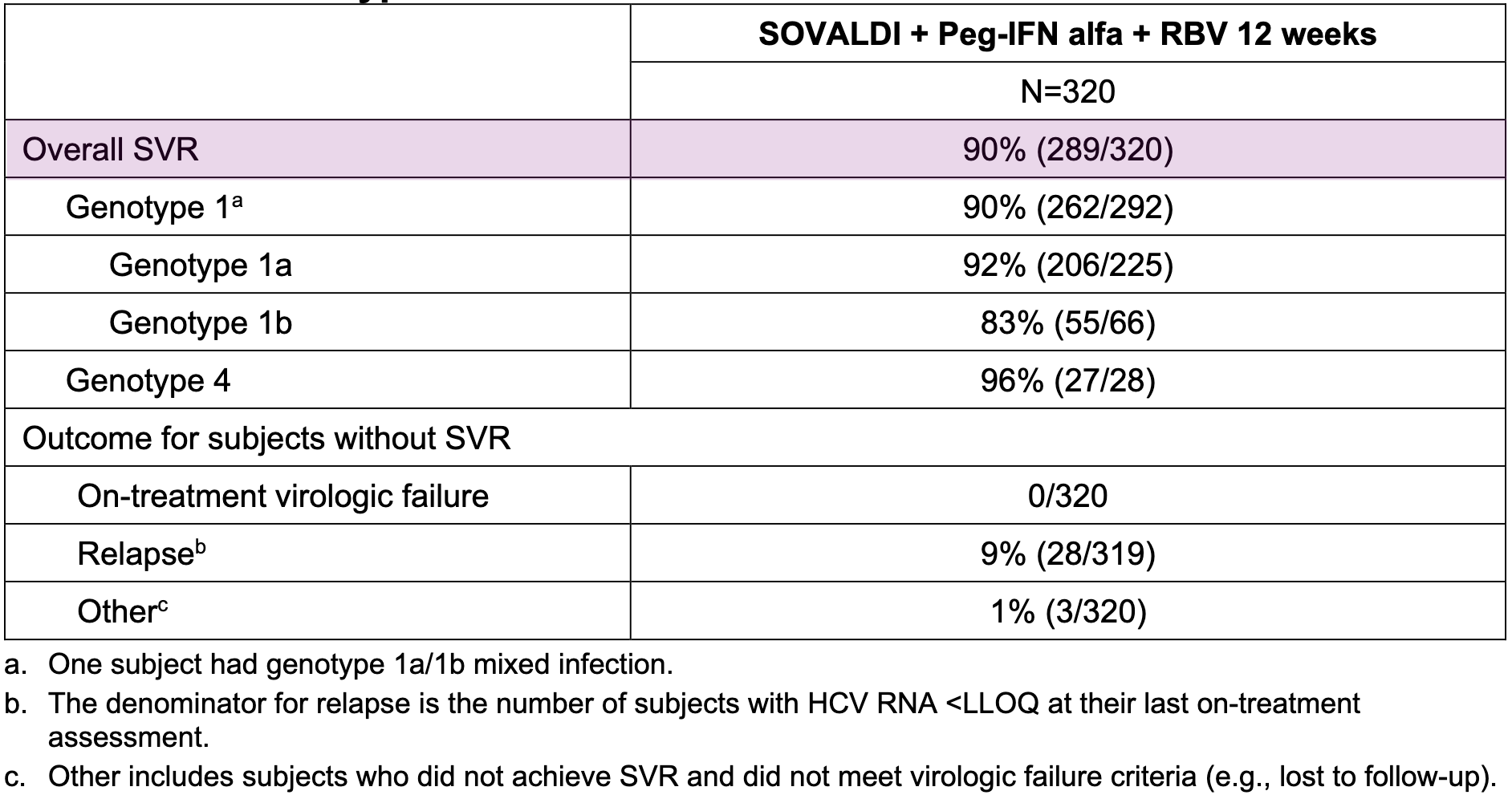
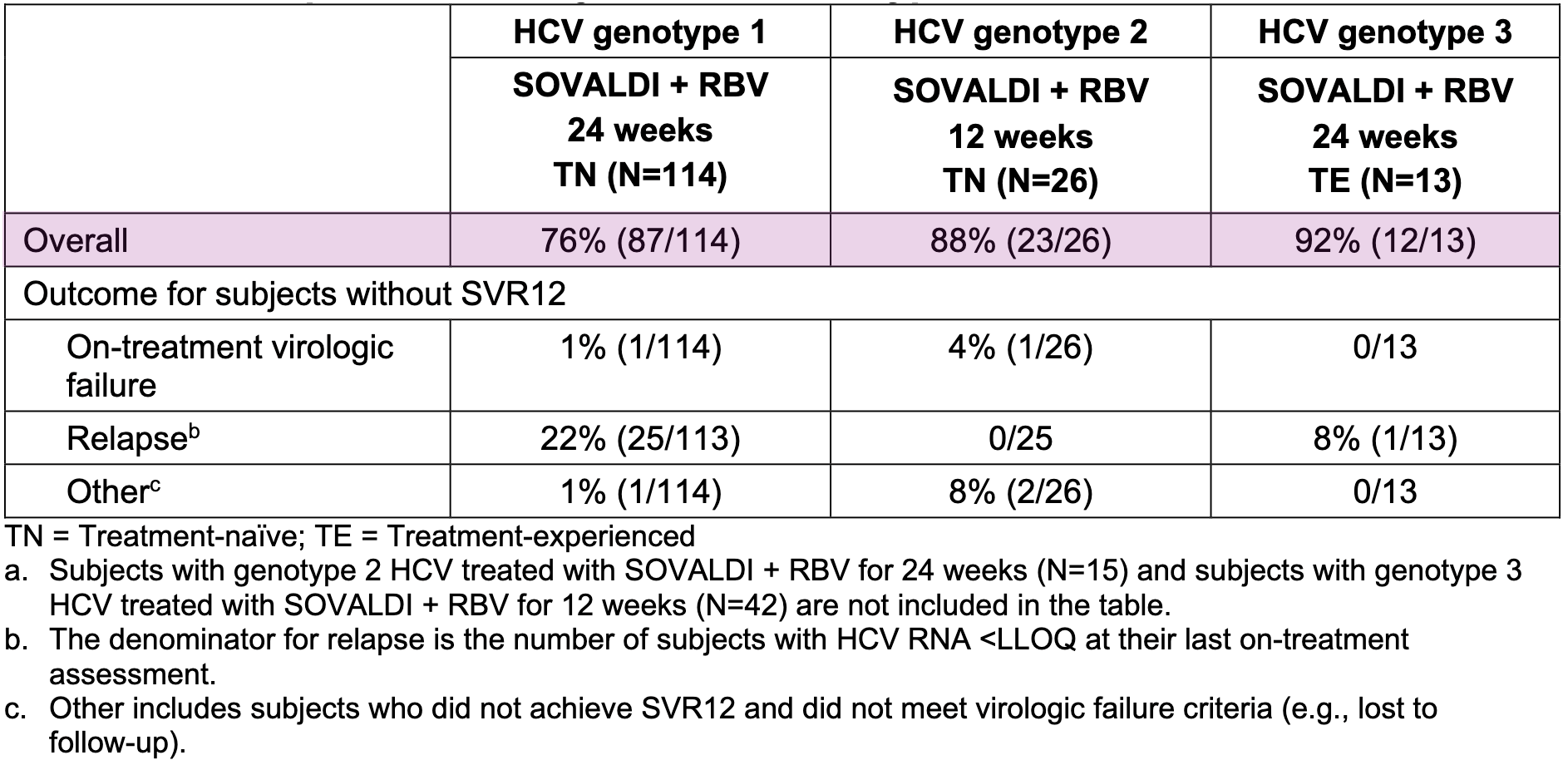
As if these stellar results weren’t enough, Gilead submitted top-line data from two supplementary Phase 3 studies to optimize labeling during the formal FDA review process in mid-2013:
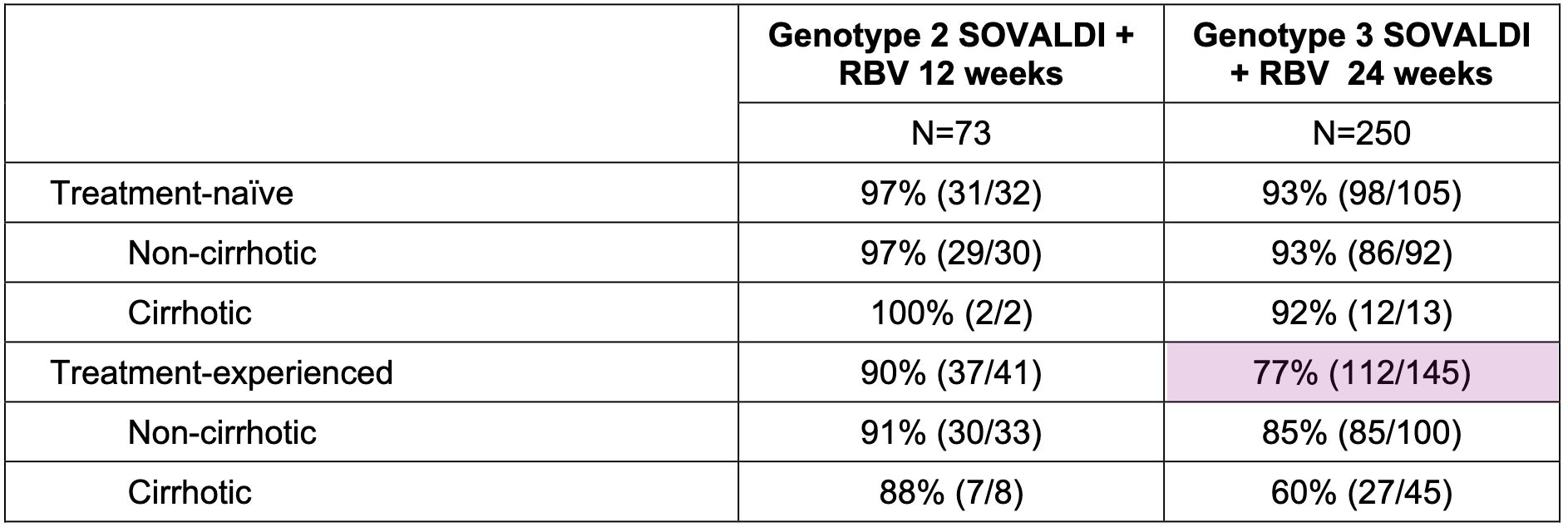
Phase 3 VALENCE trial (treatment naïve & treatment-experienced, genotypes 2 & 3): This trial established that extending all-oral sofosbuvir + ribavirin treatment to 24 weeks boosted SVR12 cure rates, even for hard-to-treat Genotype 3 patients who failed to achieve viral remission with peginterferon (see table below).
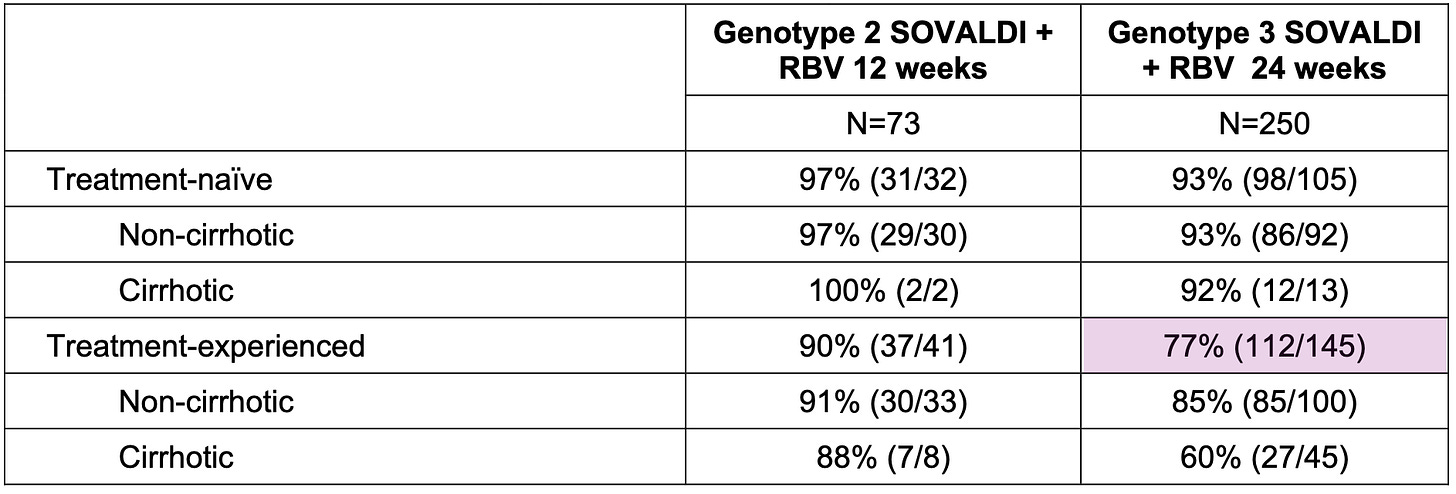
SVR12 Rates for Selected Subgroups by Genotype in Subjects with Genotype 2 or 3 Hepatitis C in Phase 3 VALENCE trial; Source: Sovaldi label, Table 21 Phase 3 PHOTON-1 trial: This trial confirmed the safety and efficacy of sofosbuvir + ribavirin in patients co-infected with HIV-1 and Hepatitis C (HCV).
On October 25, 2013, the FDA Antiviral Drugs Advisory Committee voted unanimously (20-0) to recommend approval for Hepatitis C Genotypes 1-4. Less than two months later on December 6, 2013, FDA granted full regulatory approval for sofosbuvir under the commercial name Sovaldi as a foundational component of combination therapy across four major viral genotypes:
Genotypes 1 & 4: 12 weeks of Sovaldi + peginterferon + Ribavirin.
Genotype 2: 12 weeks of all-oral Sovaldi + Ribavirin, the first FDA approved interferon-free approved regimen
Genotype 3: 24 weeks of all-oral Sovaldi + Ribavirin
In its first full commercial year (2014), Sovaldi recorded $10.3 billion in global sales, becoming the fastest commercial drug launch in pharmaceutical history and almost fully recuperating Gilead’s $11 billion purchase price of Pharmasset within the first 12 months of Sovaldi’s launch. It turned the critics into cheerleaders.
Harvesting Nuggets
While Sovaldi (sofosbuvir monotherapy) broke ground as a potent nucleotide backbone, it still required co-administration with ribavirin or peginterferon for many patient groups (genotypes 1 & 4). Gilead leveraged their expertise in HIV drug development to build on Sovaldi’s foundation.
Ledipasvir, a NS5A protease inhibitor, was optimized by Gilead chemists led by John O. Link and colleagues to specifically pair with once-daily sofosbuvir. It had picomolar efficacy, demonstrating extreme potency in cellular replicon models (EC50 31 pM against Hepatitis C genotype 1a). It also matched the half-life of Sovaldi (plasma elimination half-life of 47 hours), potentially supporting coformulation with sofosbuvir in a once-daily pill. While ledipasvir monotherapy retained a liability seen with prior NS5A protease inhibitors (resistance mutations), combining ledipasvir with sofosbuvir’s high resistance barrier protected both drugs from treatment failure. Gilead evaluated the ledipasvir/sofosbuvir fixed-dose combination across three major global registration studies known as the ION program, enrolling over 1,900 patients with chronic Genotype 1 Hepatitis C. The results raised the bar even higher:
Phase 3 ION-1 trial (treatment-naïve, genotype 1): This trial evaluated 12 or 24 weeks of ledipasvir/sofosbuvir with or without ribavirin in 865 patients, including those with compensated cirrhosis. The combo pill achieved 97% to 99% SVR12 (cure) rates across all dosing arms and adding ribavirin provided no extra benefit, proving that ribavirin could be completely removed from Genotype 1 treatment.
Phase 3 ION-2 trial (treatment-experienced, genotype 1): This trial evaluated enrolled 440 patients who had failed prior regimens, including those who failed early protease-inhibitor therapies (telaprevir/boceprevir). The combo pill achieved 94% to 99% SVR12 rates. Extending treatment to 24 weeks cleared the virus even in patients with underlying liver cirrhosis who had failed previous treatments.
Phase 3 ION-3 trial (treatment-naïve, genotype 1, 8-week short-course): This trial evaluated non-cirrhotic, treatment-naïve patients receiving ledipasvir/sofosbuvir for 8 weeks versus 12 weeks. The 8-week arm achieved a 94% SVR12 rate, matching the 12-week regimen. This allowed a substantial portion of non-cirrhotic patients to be cured with just two months of once-daily therapy.
Gilead filed its New Drug Application (NDA) for the fixed-dose combination tablet in February 2014. The FDA granted it Priority Review and Breakthrough Therapy designation. On October 10, 2014, the FDA approved Harvoni (ledipasvir 90mg / sofosbuvir 400mg) for Genotype 1 chronic Hepatitis C. It was the first single-tablet, all-oral, interferon- and ribavirin-free treatment cleared by the FDA.
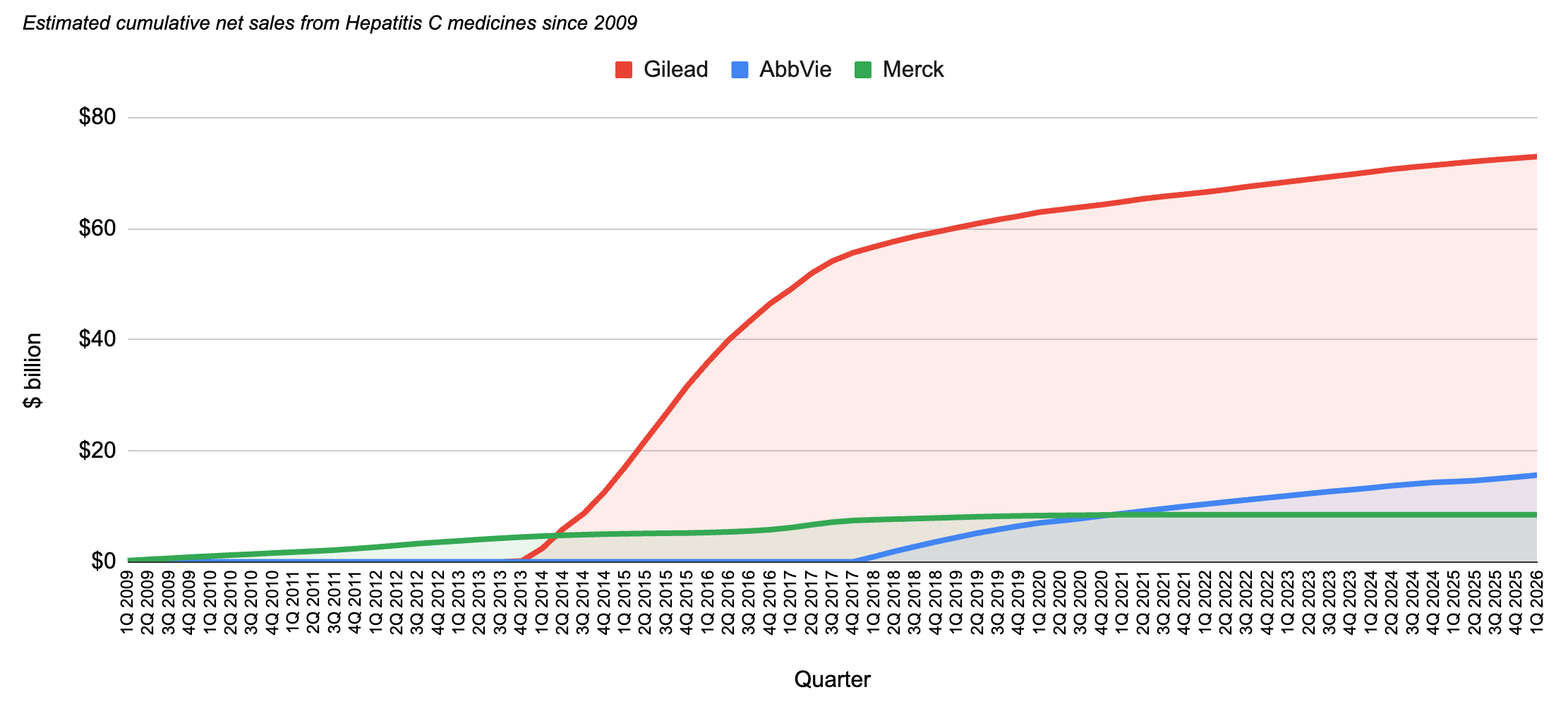
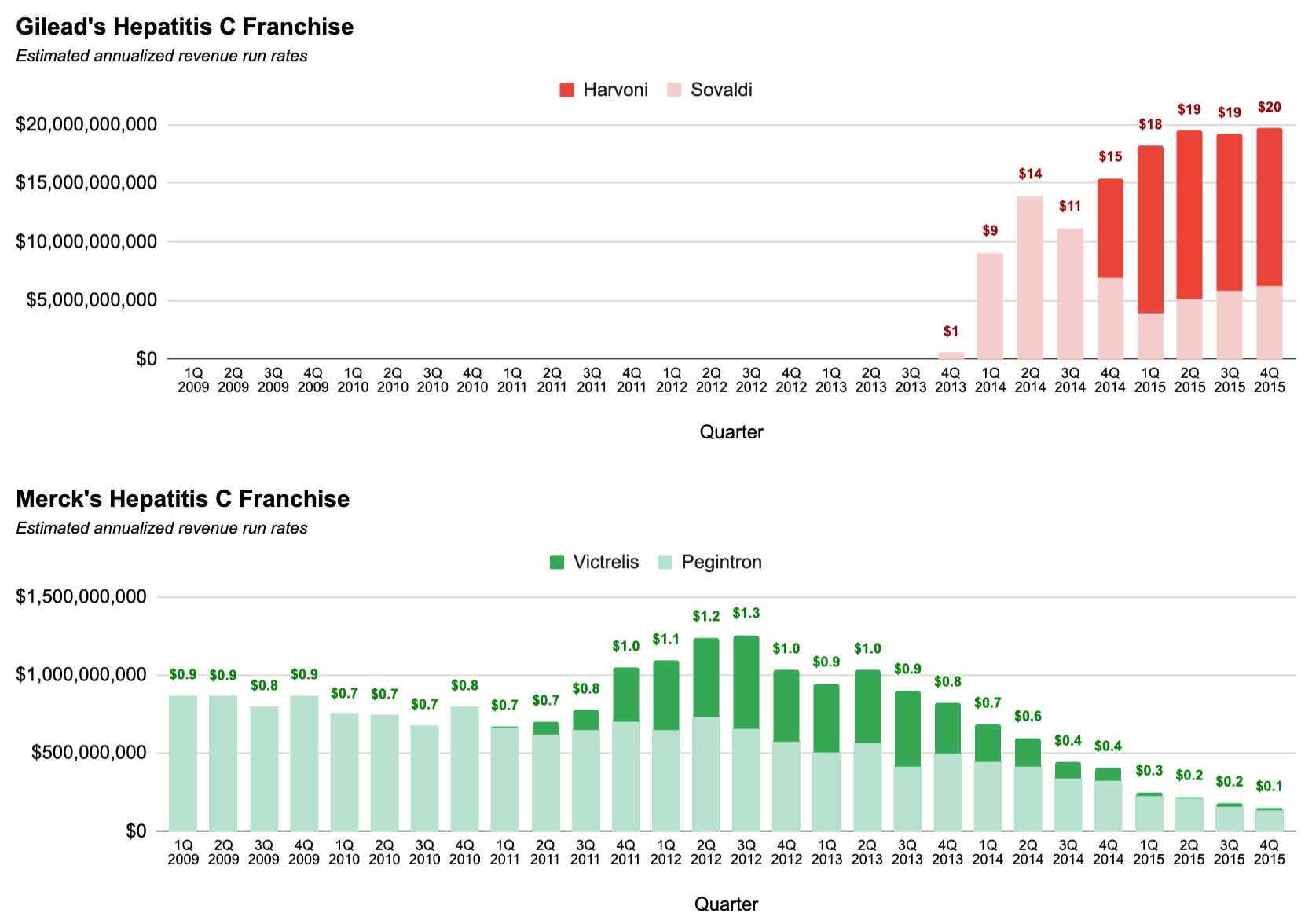
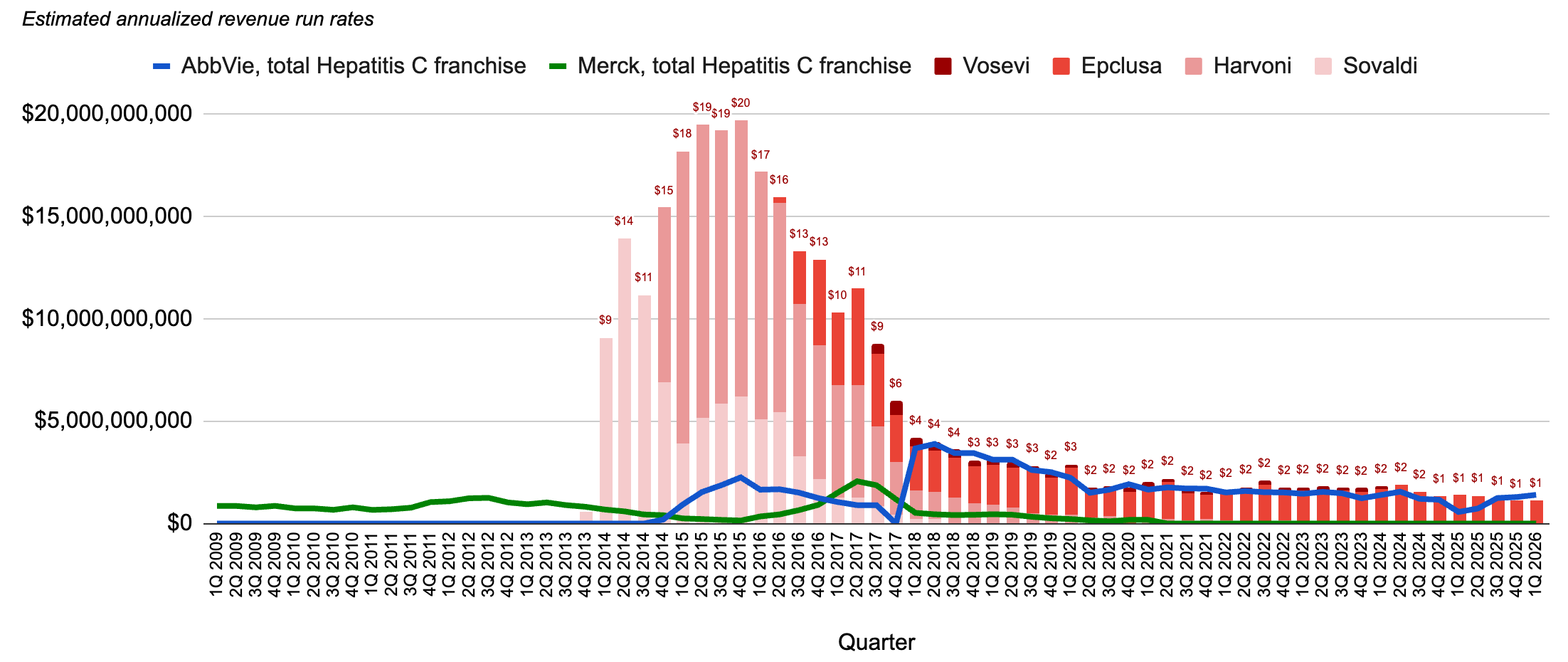
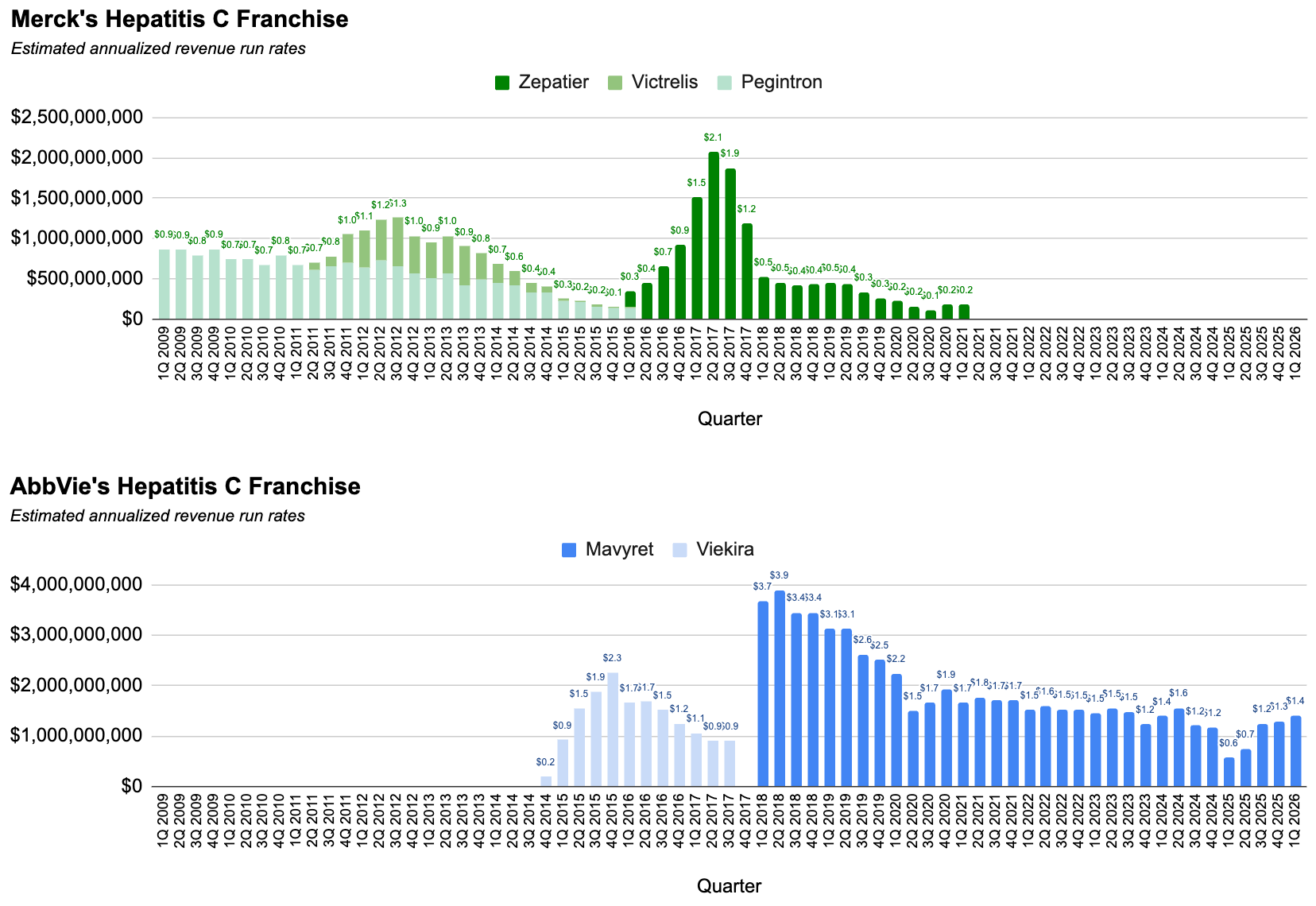
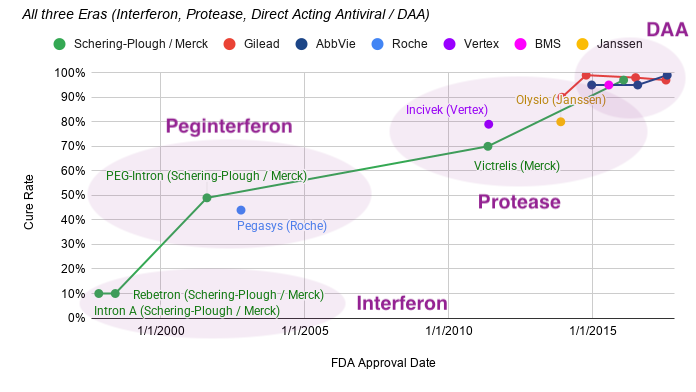
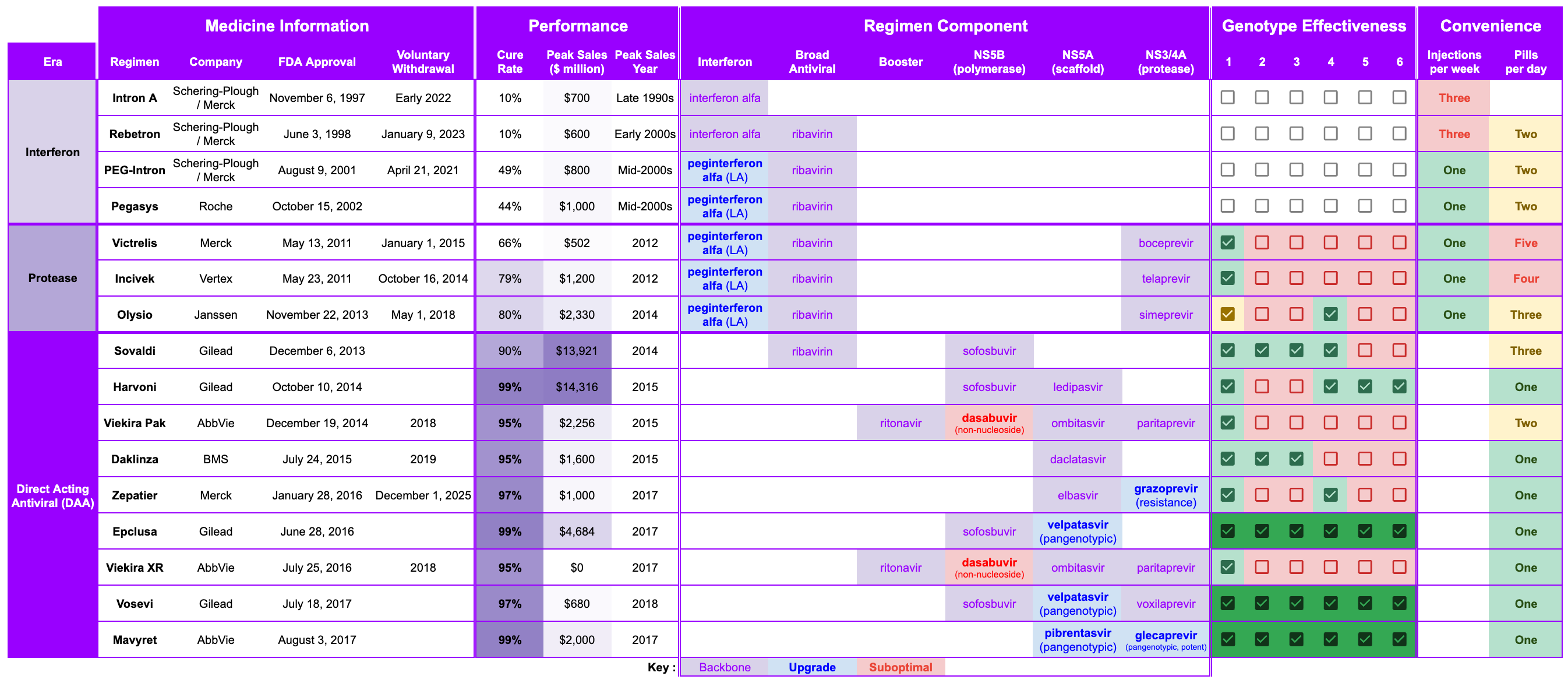
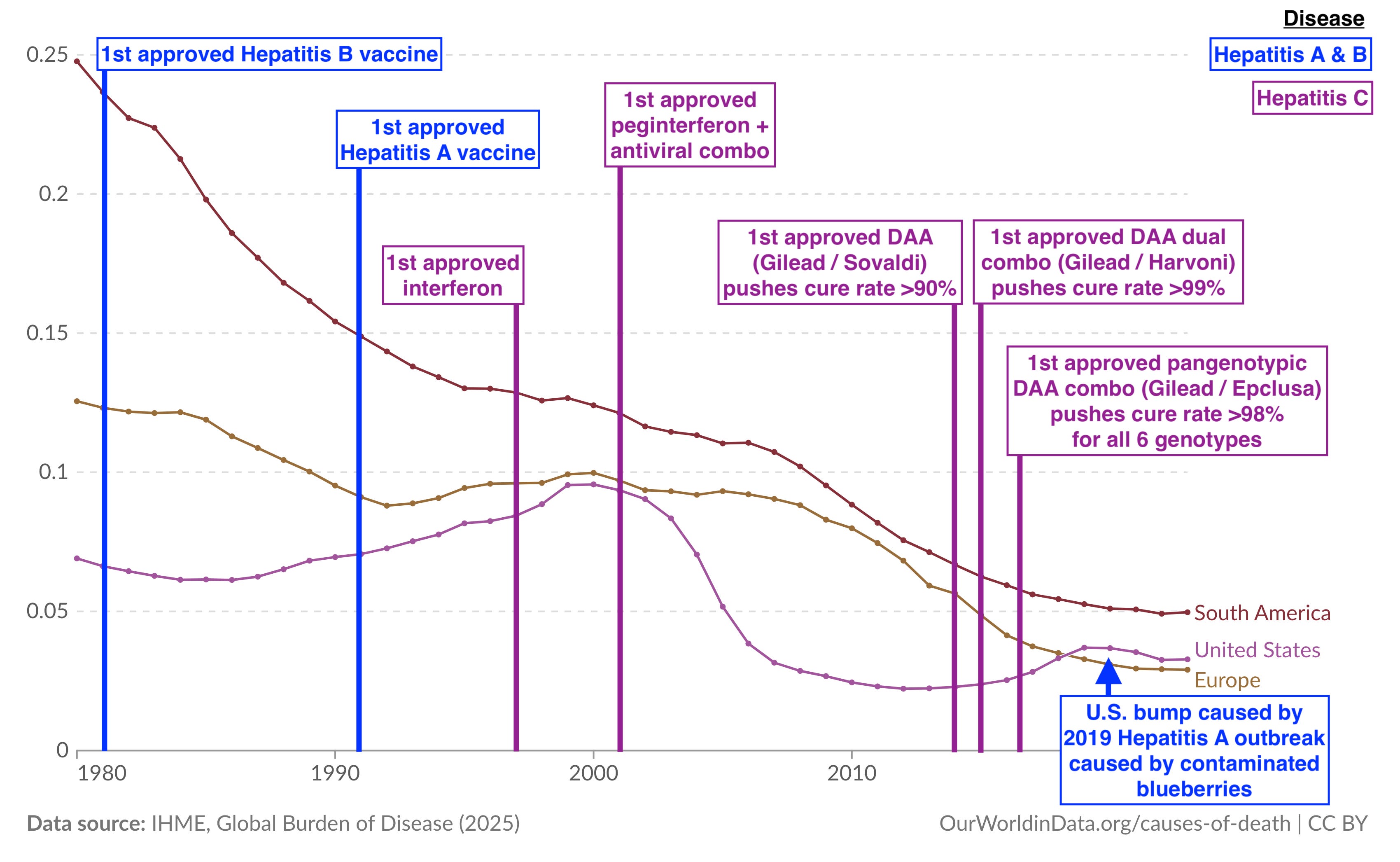
Harvoni generated $13.8 billion in revenue in 2015 alone. Combined with Sovaldi, Gilead’s total Hepatitis C franchise sales topped $19.1 billion in a single year, turning Gilead into one of the most profitable healthcare companies in the world. While the medicine’s high price tag ignited international debates over healthcare budgets, the ability to cure a chronic liver disease in 8 to 12 weeks transformed hepatology, sharply reducing long-term rates of liver transplantations and hepatocellular carcinoma globally. In less than four short years since the approval of Merck’s Victrelis on May 13, 2011 (the first approved NS3/4A protease inhibitor), Pharmasset & Gilead reduced the Hepatitis C treatment burden from five pills a day + once weekly injection to a single pill a day, and increased the Hepatitis C cure rate from from 66% to 99%. As Gilead/Pharmasset’s Hepatitis C empire rose, Merck/Schering-Plough’s peginterferon and protease monotherapy empire dwindled (see below). Merck wouldn’t sit idle for long. Nor would two other slumbering giants.
Awaken the Slumbering Giants
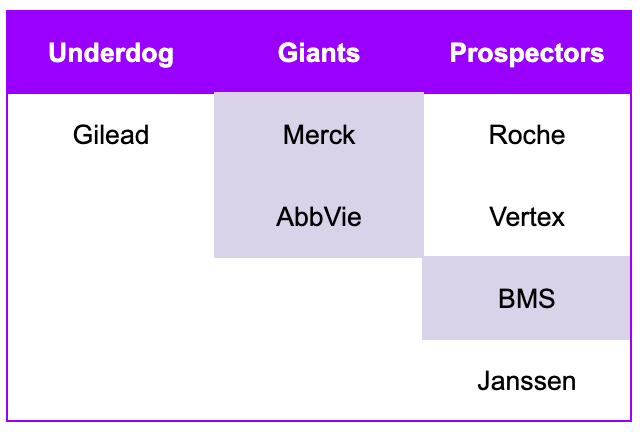

Even before the arrivals of Sovaldi and Harvoni, pharma giant Abbott had started dipping their toes into the Hepatitis C space. In December 2006, Abbott signed a global alliance with Enanta Pharmaceuticals to discover and develop Hepatitis C protease inhibitors. Abbott had extensive internal expertise in viral protease chemistry through its blockbuster HIV drugs Norvir (ritonavir) and Kaletra (lopinavir+ritonavir). Abbott believed that their ritonavir booster might be able to give them an edge over the other players in the Protease Era (ritonavir extend the half-life of other drugs by blocking CYP3A4). Abbot’s collaboration with Enanta ultimately yielded paritaprevir (ABT-450), a NS3/4A protease inhibitor. Yet, Hepatitis C was capable of rapidly mutating around these two components. Furthermore, Pharmasset/Gilead’s newly minted Sovaldi significantly raised the bar, requiring regimens that were potent enough to obviate the need for peginterferon. How could Abbott remedy the situation?
The answer would come from another pharma company, Bristol Myers-Squibb (BMS). Yes, they walked away from Sovaldi, which Pharmasset picked up and developed, but that wouldn’t stop them from generating breakthroughs in Hepatitis C. In the mid-2000s, most regimens targeted Hepatitis C’s enzymatic machinery: the NS3/4A protease or the NS5B RNA polymerase. BMS scientists, led by Nicholas Meanwell, Min Gao, and colleagues, pursued a strategy to uncover new targets. They set up a phenotypic screen using the GT-1b subgenomic replicon in Huh-7 liver cells to look for any small molecule that blocked viral replication, regardless of its target. Out of over a million compounds screened, a single iminothiazolidinone chemotype showed selective, sub-micromolar activity against the Hepatitis C replicon (daclatasvir). Since the target was unknown, BMS scientists generated drug-resistant viral mutants. Sequencing the resistant replicon RNA revealed mutations exclusively mapped to NS5A, a phosphoprotein that lacked any intrinsic enzymatic cleavage or polymerase activity. It was later determined that NS5A functioned as a master structural scaffold, molecular hub, and regulatory switch that coordinated viral replication, virion assembly, and host immune evasion.
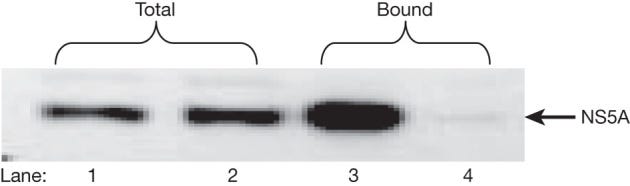
The BMS team published their landmark discovery of the first ever Hepatitis C NS5A scaffold inhibitor in the Nature in 2010. The paper revealed that daclatasvir (BMS-790052) possessed lower half-maximal effective concentration values than any antiviral drug ever reported at the time (EC50 9 pM) and demonstrated broad pan-genotypic coverage across all Hepatitis C Genotypes (1-6) in cell culture models. BMS then tested daclatasvir in combination with an investigational protease inhibitor, asunaprevir (BMS-650032), in Genotype 1 patients who had previously failed interferon therapy. In the all-oral dual DAA group, 4 out of 11 patients (36%) overall achieved SVR12/SVR48. Crucially, 2 out of 2 patients (100%) infected with HCV genotype 1b achieved a complete cure without ever receiving a single injection of interferon. These data were presented at AASLD in November 2011, making it the first evidence in medical history that Hepatitis C could be completely cured with a combination of oral direct-acting antivirals (DAAs) without interferon. Yes, they beat out the interferon-free cohort in Pharmasset’s ELECTRON trial by 4 months (this was first presented at EASL in April 2012; their earlier May 2010 press release only included interferon combo data but is often misremembered to be the first). BMS’ results were later published in the New England Journal of Medicine in 2012.
However, BMS’ combo would never see the light of day in the United States due to numerous commercial dynamics. BMS initially filed with the FDA to approve Daklinza (daclatasvir) in combination with Sovaldi (Gilead’s drug) because BMS’ drug asunaprevir performed poorly in Genotype 1a (rapid emergence of viral resistance variants). However, Gilead chose not to pursue a joint fixed-dose single pill with BMS because they were developing their own internal NS5A inhibitor (ledipasvir) based on the daclatasvir structure to create Harvoni (approved on October 10, 2014). The FDA requested more standalone U.S. clinical data for Daklinza, pushing its U.S. approval date as a monotherapy to July 24, 2015 (specifically for Genotype 3).
BMS’ discovery inspired Abbott to get back on the horse. They created their own NS5A scaffold inhibitor based on the daclatasvir structure (ombitasvir), added it to their NS3/4A protease inhibitor (paritaprevir) + ritonatir booster, and added a non-nucleoside NS5B polymerase inhibitor (dasabuvir) for good measure. Together, these four ingredients simultaneously hit the Hepatitis C polymerase, protease, scaffolding protein with ritonavir extending half-life. AbbVie (a therapeutics-focused company spun out of Abbott in 2011) evaluated the four-drug regimen in over 2,300 patients across six major global Phase 3 clinical trials, proving that a multi-drug non-nucleoside regimen could match Gilead’s cure rates:
SAPPHIRE-I & SAPPHIRE-II: Evaluated treatment-naïve and treatment-experienced Genotype 1 patients receiving the four-drug regimen plus ribavirin for 12 weeks. The studies demonstrated 95% to 96% SVR12 rates.
PEARL-III & PEARL-IV: Designed to evaluate whether ribavirin was strictly necessary. In Genotype 1b patients (PEARL-III), the four-drug regimen achieved a 99.5% cure rate without ribavirin. In Genotype 1a patients (PEARL-IV), cure rates were higher with ribavirin (97%) than without it (90%), establishing sub-type specific dosing recommendations.
TURQUOISE-II: The first major Phase 3 study dedicated exclusively to challenging patients with compensated liver cirrhosis (Child-Pugh A). Treating cirrhotic Genotype 1 patients with the four-drug regimen plus ribavirin for 12 to 24 weeks yielded 92% to 96% SVR12 rates.
On December 19, 2014, the FDA approved Viekira Pak for chronic Genotype 1 Hepatitis C under Priority Review and Breakthrough Therapy designation, just two months after Gilead’s Harvoni approval. They were neck-and-neck, but big pharma AbbVie had more weight to throw around. Just days after approval, AbbVie struck an exclusive distribution deal with Express Scripts, the largest pharmacy benefit manager (PBM) in the U.S. at the time. Express Scripts removed Gilead’s Harvoni and Sovaldi from its national formulary for Genotype 1 patients in exchange for a significant, undisclosed discount on Viekira Pak. Despite the aggressive pricing deal, Viekira Pak faced commercial headwinds due to its higher pill burden (4 to 6 pills daily versus Harvoni‘s 1 pill daily), the need for co-administered ribavirin in GT1a patients, and drug-drug interaction risks caused by the ritonavir CYP3A4 booster. In October 2015, the FDA issued a safety communication warning that Viekira Pak could cause serious liver injury or hepatic decompensation, primarily in patients with underlying moderate-to-severe hepatic impairment (Child-Pugh B and C). The label was updated to contraindicate its use in patients with decompensated liver disease.
Slumping interferon & protease sales shook incumbent Merck out of its slumber. Gilead’s Harvoni and AbbVie’s Viekira Pak were nipping at Merck’s heals and they would respond with a strategy focused on second-generation molecule design, subpopulation targeting (specifically chronic kidney disease), and disruptive commercial pricing. Merck’s first-generation protease inhibitor, Victrelis (boceprevir), suffered from low genetic barriers to resistance and severe side effect profiles. Merck medicinal chemists synthesized a novel macrocyclic scaffold constrained between the P2 and P4 positions. Grazoprevir was engineered to retain binding potency against common baseline resistance-associated variants (RAVs) in the NS3/4A protease, such as the R155K and D168V mutations that caused treatment failure in earlier drugs. Building on the symmetrical C2-dimeric template pioneered by BMS with daclatasvir, Merck optimized elbasvir (NS5A scaffold inhibitor) to achieve low picomolar potency (EC50 0.2-3 pM) across multiple Hepatitis C genotypes. Recognizing that Gilead’s sofosbuvir-based regimens dominated the broad Genotype 1 market, Merck designed its clinical trial architecture (the C-WORTHy Phase 2 and C-EDGE Phase 3 programs) to evaluate the two-drug combo in hard-to-treat patient niches:
C-SURFER (Severe Renal Impairment): Merck specifically targeted patients with Stage 4 or Stage 5 chronic kidney disease (CKD), including those on hemodialysis. Since Gilead’s Sovaldi is renally cleared and was initially contraindicated in patients with severe renal impairment, the two-drug combo (which is eliminated hepatically) demonstrated a 94% SVR12 cure rate in CKD patients, earning an FDA Breakthrough Therapy designation.
C-EDGE TN & TE (Genotype 1 & 4): Evaluated treatment-naïve and treatment-experienced Genotype 1 and Genotype 4 patients (with or without compensated cirrhosis and HIV co-infection), achieving 95% to 97% cure rates.
On January 28, 2016, the US FDA approved Zepatier (elbasvir + grazoprevir FDC) for chronic HCV Genotype 1 and 4 infection. When Zepatier entered the market in 2016, Gilead’s Harvoni carried a wholesale acquisition cost (WAC) of $94,500 per 12-week course, and AbbVie’s Viekira Pak was priced around $83,300. Merck executed a commercial price disruption by launching Zepatier at a WAC list price of $54,600, roughly 42% lower than Harvoni. This aggressive list price strategy forced pharmacy benefit managers (PBMs) and insurers to demand much higher rebates from Gilead and AbbVie, accelerating the steep price degradation across the global Hepatitis C market. This would get Merck back on the board, but Gilead had already planned their next chess move.
Take No Genotype Prisoners
By 2014, Gilead had already captured majority market share in Hepatitis C with Sovaldi (sofosbuvir) and Harvoni (sofosbuvir/ledipasvir). However, even Harvoni had clear clinical limitations:
Genotype Restriction: Harvoni was optimized specifically for Genotypes 1, 4, 5, and 6. It performed poorly against Genotype 2 and especially Genotype 3, the second most common genotype globally, known for causing rapid liver fibrosis progression and steatosis.
Diagnostic Bottleneck: Doctors still had to run expensive, complex genotype blood tests before prescribing therapy. In low- and middle-income countries, the lack of lab infrastructure to determine Hepatitis C genotype was the single largest bottleneck to widespread treatment.
Gilead’s medicinal chemistry objective was clear: combine sofosbuvir (the high-barrier nucleotide anchor) with a next-generation, broad-spectrum NS5A scaffold inhibitor that improved on ledipasvir by potently hitting all six major Hepatitis C genotypes (Genotypes 1-6) in a once daily pill. To build a true pan-genotypic single tablet, Gilead needed an NS5A inhibitor that bound with low picomolar affinity to the Domain 1 binding pockets of NS5A across diverse viral sequences. Gilead chemists engineered velpatasvir (GS-5816), a novel symmetric, core-modified NS5A inhibitor. Velpatasvir achieved single-digit picomolar or sub-picomolar half-maximal effective concentrations (EC50) across genotypes 1a, 1b, 2a, 2b, 3a, 4a, 5a, and 6a. Gilead overcome significant solubility and chemical stability challenges to co-formulate 400 mg of sofosbuvir with 100 mg of velpatasvir into a stable, once-daily fixed-dose combination pill. Gilead evaluated the two-drug combo pill across four landmark Phase 3 trials collectively known as the ASTRAL program, testing the drug in over 1,500 patients across all major genotypes and clinical stages. The ASTRAL data proved that a 12-week course of Gilead’s new two-drug combo pill alone (without interferon or ribavirin) cured 95-99% of patients across all genotypes, including those with compensated cirrhosis (see table below).
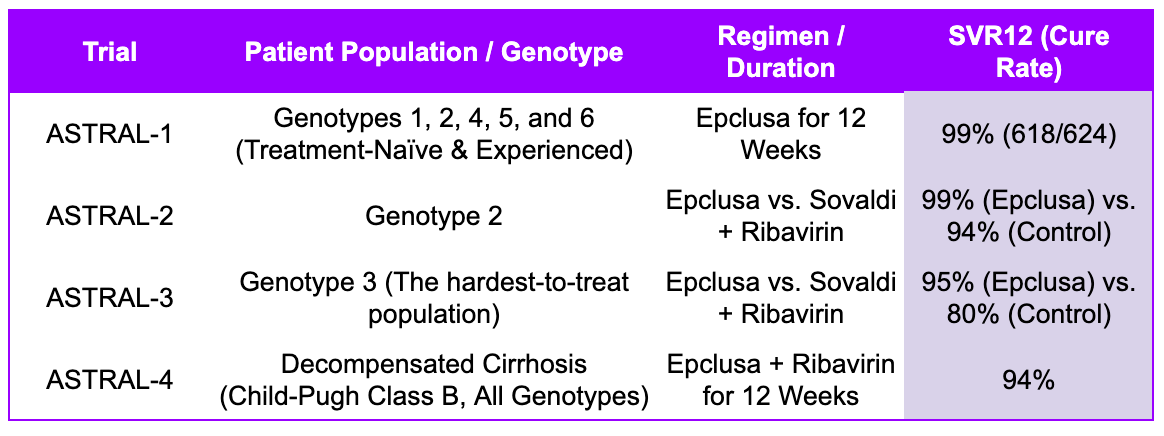
On June 28, 2016, the US FDA approved Epclusa as the first single-tablet regimen to treat all six major genotypes of chronic Hepatitis C, making it the first single-tablet, pan-genotypic cure. Epclusa effectively rendered routine Hepatitis C genotype testing obsolete, simplifying global treatment algorithms and unlocking mass-scale eradication programs. Since Epclusa achieved >95% cure rates regardless of genotype, public health authorities (including the WHO) could recommend a simplified “Test and Treat” strategy. Clinicians only needed a simple antibody/RNA confirmation of Hepatitis C before starting treatment. Furthermore, Gilead included velpatasvir in its royalty-free licensing agreements with generic manufacturers in India and other developing nations. This allowed low-income countries to manufacture generic Epclusa for under $100 per 12-week cure, enabling national eradication campaigns in countries with heavy disease burdens like Egypt, India, and Georgia. A little more than 1 year later on July 18, 2017, Gilead would add a protease inhibitor (voxilaprevir) to their polymerase-scaffold duo, with the approval of Vosevi. This served as a salvage treatment for the < 5% of patients who relapsed on Epclusa with both the NS5A and NS3 protease escape mutations. Since Epclusa cured almost everyone on the first try, the addressable market for a salvage therapy like Vosevi was relatively small.
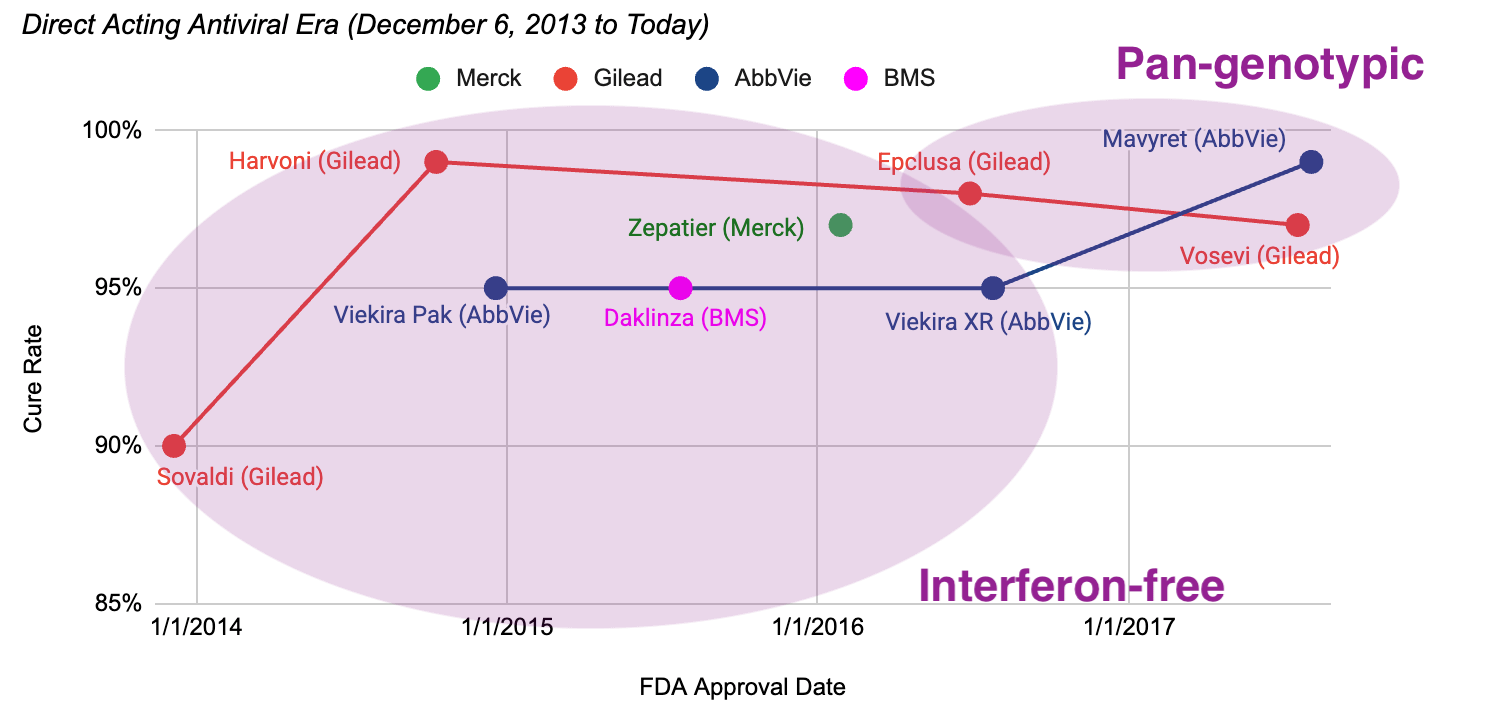
One month later, AbbVie ditched Viekira Pak in favor of their newly approved pan-genotypic scaffold-protease combo Mavyret (approved on July 18, 2017) to compete with Epclusa (8-week cure compared to Gilead’s 12-week standard). AbbVie launched Mavyret at a wholesale list price of $26,400 for an 8-week course, a fraction of Gilead’s $74,000-94,000 list prices. Mavyret quickly captured over 40-50% of the US Hepatitis C market within months of launch, splitting the market with Gilead’s Epclusa (although the bulk of the value had already been captured & the bulk of warehoused addressable patients had already been cured by Gilead’s Sovaldi, Harvoni, and Epclusa by the time AbbVie’s Mavyret came along; see graph below).
Spoils of Victory
The California Gold Rush began in January 1848 when James W. Marshall found gold at Sutter’s Mill. By 1849, tens of thousands of “Forty-Niners” had descended on the Sierra Nevada foothills. In the early years, gold was easily accessible in riverbeds and loose gravel. By 1852-1853, simple placer gold was largely picked clean. Individual prospectors with pan and shovel could no longer make a living. To reach the gold trapped deep in quartz veins or under hillside debris, extraction required massive capital, heavy machinery, and large crews. Independent miners were forced to either become wage-earning employees for large mining corporations or abandon mining entirely. As gold yields per person plummeted, many stayed to build permanent lives. California’s rapid population growth allowed it to achieve U.S. statehood in 1850. Former prospectors transitioned into farming, ranching, timber, and trade, establishing California as an agricultural powerhouse rather than a transient mining camp.
The winding down of biopharmaceutical R&D for Hepatitis C following the approvals of Epclusa (Gilead), Vosevi (Gilead), and Mavyret (AbbVie) follows a similar dynamic. Pharma companies essentially abandoned active discovery programs not because they failed, but because they achieved absolute clinical and commercial saturation. By 2017, the scientific problems had been solved, and the underlying economics of the market collapsed. The biotech industry extracted every nugget of gold and found that there was none left (see graph below). Much of the winnings were parlayed into the next wave of breakthroughs in oncology (immuno-oncology, ADCs, CAR-T), rare disease, and gene therapies.
Thus ends the story of Hepatitis C: in total victory.
As for Gilead, our story’s underdog, their Hepatitis C victory transformed them into a big pharma. True to the George Merck adage, “medicine is for people […] if we have remembered that, [profits] have never failed to appear”.
Love biotech? Check out Biotech Readout’s full library of content library, or navigate directly to a segment that interests you:
Frontiers in Medicine: Exploring the frontiers of our understanding and treatments for disease.
Medical History: Recovering forgotten relics in the history of medicine.
Acquisitions: Exploring the innovation behind acquired companies.
Weekly Readout: A digest of new clinical data from the past week.
To contact us, please send us an email at biotechreadout@gmail.com
Disclaimers
Investigational Status Disclaimer
The therapeutic candidates discussed in this newsletter are currently in clinical development and have not been approved for commercial sale by the U.S. Food and Drug Administration (FDA), the European Medicines Agency (EMA), or other global regulatory authorities. Their safety and efficacy have not been established. References to pipeline products and ongoing clinical trials involve significant risks and uncertainties. Statements regarding the potential safety, potency, or efficacy of investigational drugs reflect current hypotheses and are not a guarantee of future performance or regulatory clearance. The outcome of clinical trials is inherently unpredictable, and clinical results from earlier stages may not be predictive of results in later, larger-scale trials.
No Medical Advice Disclaimer
This newsletter is for informational and educational purposes only. The content is not intended to be a substitute for professional medical advice, diagnosis, or treatment. Always seek the advice of your physician or another qualified health provider with any questions you may have regarding a medical condition. Never disregard professional medical advice or delay in seeking it because of something you have read in this publication.
No Patient-Provider Relationship Disclaimer
The information provided in this newsletter is for educational and analytical purposes only. Receipt of this information, or any interaction with this content, does not create a physician-patient, pharmacist-patient, or any other professional-provider relationship between you and the authors or publishers. This newsletter should not be used as a substitute for a personal consultation with a qualified healthcare professional.
Forward-Looking Statements Disclaimer
This newsletter contains “forward-looking statements” regarding future events, including clinical trial timing, regulatory milestones, and projected market performance. These statements are based on current expectations and assumptions that are subject to significant risks and uncertainties. Actual results may differ materially from those expressed or implied. We undertake no obligation to update these statements as a result of new information or future developments.
Third-Party Links & Content Disclaimer
This newsletter contains links to third-party websites, including clinical trial registries and corporate presentations. Biotech Readout does not endorse, guarantee, or assume responsibility for the accuracy or reliability of any information offered by third-party providers.
Errors and Omissions Disclaimer
While we strive for technical accuracy, the information in this newsletter is provided on an “as is” basis with no guarantees of completeness, accuracy, or timeliness. Biotech Readout assumes no liability for any errors or omissions in the content of this publication.
Non-Endorsement Disclaimer
Any reference to specific commercial products, processes, or services by trade name, trademark, or manufacturer does not constitute or imply an endorsement or recommendation by the author. All trademarks are the property of their respective owners.
No Investment Advice Disclaimer
This newsletter is for informational purposes only and does not constitute financial, investment, or legal advice. The author is not a registered investment advisor. You should consult with a professional financial advisor before making any investment decisions. The biotechnology sector is highly volatile; past performance is not indicative of future results.
Conflict of Interest Disclaimer
The author of this newsletter maintains a position of independence. At the time of publication, the author holds no direct financial interest, equity, or options in any of the companies mentioned in this report. No compensation has been received from any third party to feature or analyze specific therapeutic candidates or corporate entities.